
- Water-based lube is the safe choice for silicone toys.
- Silicone lube can damage silicone toys, leaving a tacky or pitted surface.
- Oil-based products may be fine for some toy materials but check the manufacturer's advice.
- A spot test on the base of the toy is a good habit when you are unsure.
- Wash toys with mild soap and water after each use.
Toy materials and lubricants interact in ways that are easy to get wrong, and the first question most people ask is: can you use silicone lube with silicone toys? As a rule, no. The most common mistake is pairing a silicone toy with a silicone lubricant. The surface can soften, become tacky or develop a rough texture over time.
This guide gives you the simple rules, a quick compatibility table and a safe way to test. It is based on general manufacturer guidance and on what the makers of the products we list say on their labels.
Can you use silicone lube with silicone toys? The simple rule
Silicone toys pair with water-based lubricant, so a water-based lube for toys is the safe default. Silicone on silicone can degrade the toy because the lubricant can slowly dissolve into the surface. Toys made of other materials such as glass, stainless steel or ABS plastic are non-porous and usually handle any lubricant well.
| Toy material | Water-based | Silicone | Oil-based |
|---|---|---|---|
| Silicone | ✓ Yes | ✗ No | ~ Check maker |
| Glass | ✓ Yes | ✓ Yes | ✓ Yes |
| Stainless steel | ✓ Yes | ✓ Yes | ✓ Yes |
| Hard ABS plastic | ✓ Yes | ✓ Yes | ~ Usually, check maker |
| Porous jelly or rubber | ✓ Yes | ~ May react | ~ May react |
Porous materials can also hold onto bacteria, so many people prefer body-safe silicone, glass or steel. Always follow the instructions that came with your toy, since they outweigh any general table.
What makers say on the label
Product claims should come from the listing, not guesswork. Several water-based products are described by their makers as toy-safe lube:
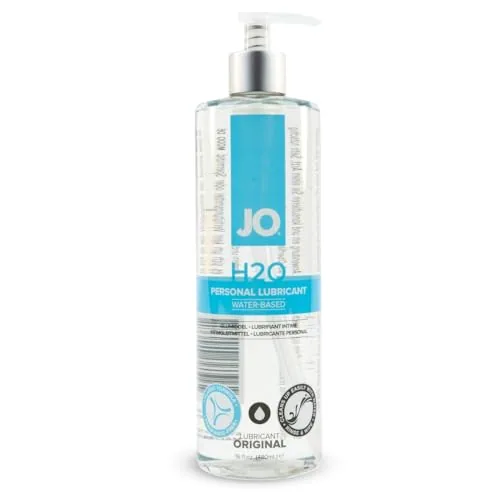
- JO H2O Original is described as toy and condom compatible and safe with most toys.
- Hello Cake Toy Lube is formulated for toys and listed as safe for all toy materials.
- Sliquid H2O is described as perfectly compatible with toys and condoms.
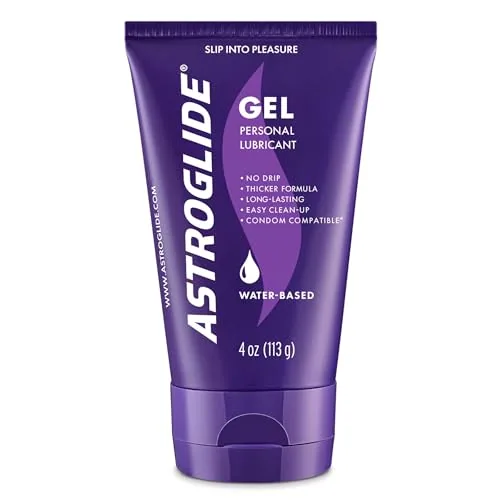
- Astroglide Water-Based Gel is described as toy friendly and compatible with condoms.
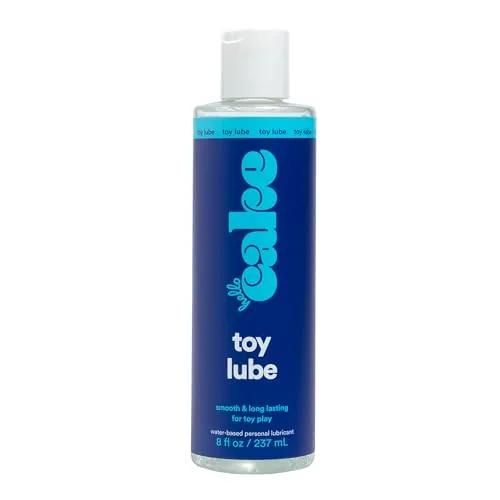
Hello Cake Toy Lube Water-Based, 8 oz
- Thick non-drip jelly
- Toy friendly
- Paraben & fragrance free
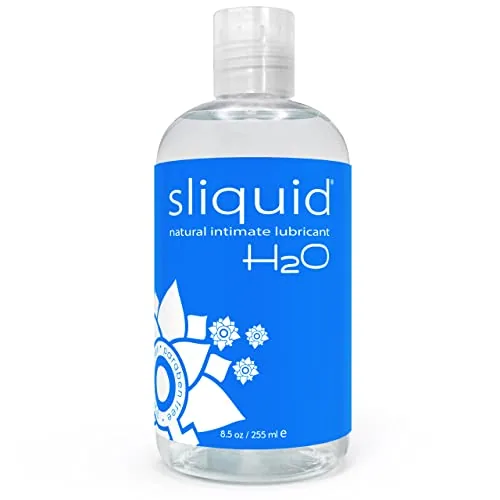
Sliquid H2O Water-Based Lube, 8.5 oz
- Glycerin & paraben free
- Fragrance free & vegan
- Toy & condom compatible
Silicone formulas usually say so in a different way. Wet Platinum is described as safe for latex condoms and non-silicone toys, and LubeLife Silky Silicone as plays nice with most non-silicone toy materials. Those statements are the cue to keep silicone away from silicone toys.
How to spot-test a lubricant on a toy
If you are not sure, a quick test costs nothing:
- Put a small dab of lubricant on the base or an inconspicuous part of the toy.
- Leave it for several hours or overnight.
- Wipe it off with mild soap and water.
- Check the surface. If it feels tacky, soft, pitted or discolored, the pair is not compatible.
Water-based lubricants are not all the same
Even among water-based formulas, there are differences worth knowing. The WHO advises that very high osmolality formulas can irritate delicate tissue, and many gels with high concentrations of glycerin sit in that category. Our osmolality and pH guide covers this in detail.
If your skin is reactive, look for toy-safe options with short ingredient lists in the sensitive skin category, and browse the full toy-safe collection.
Choosing a lubricant for toys, step by step
When you are looking for the best lube for toys, three questions cover most situations:
- What is the toy material? Check the packaging or the maker's website. Silicone is common because it is smooth, flexible and easy to clean.
- What base is the lubricant? Look for the words water-based on the front of the pack and a toy-safe statement in the description.
- Will it be used with a condom? Water-based lubricants are generally compatible with latex, polyisoprene and polyurethane condoms, so a single water-based product often covers both toys and condoms. Read our condom guide for the details.
Thicker gels stay on the toy and cling, which many people like for longer sessions, while thin liquids are lighter and easier to rinse. Both are fine. If you find a water-based formula dries out quickly, add a little more rather than switching to silicone for a silicone toy.
For couples who share toys, a toy-friendly water-based gel also tends to be the simplest option, since you only need one bottle for toys, condoms and skin.
What about hybrid lube?
Hybrid lubricants blend water and silicone. Whether they are safe for a silicone toy depends on the formula, so read the product label or the toy maker's advice. If it is not stated, test a small area or choose a plain water-based gel instead. Our hybrid category lists the options.
Care and storage tips
- Wash with warm water and mild soap or a toy cleaner, then dry fully.
- Store toys apart so different materials do not touch. Silicone toys can mark each other.
- Keep toys out of direct sun and heat.
- Replace toys that are sticky, cracked or discolored.
For product care and cleaning supplies, see our cleaners and travel category and the clean-up tips in how to use and clean up.
Questions
Why can silicone lube damage a silicone toy?
Silicone lubricant can bond with the toy's surface, making it sticky or rough. Water-based lubricant avoids that interaction.
Is water-based lube safe with every toy?
Water-based lube is the safest general choice, but follow the toy maker's guidance, especially for porous materials.
Can I use coconut oil on toys?
It depends on the toy. It is generally fine on glass and steel, can affect some plastics and rubbers, and is not condom-safe with latex.
How often should I clean my toys?
After every use, with mild soap and water or a dedicated cleaner, and dry them before storing.
Can you use silicone lube with silicone toys?
It is best not to. Silicone lubricant can make a silicone toy tacky or rough over time, so choose a water-based lubricant unless the toy maker says otherwise.
What is the best lube for toys?
A fragrance-free water-based lubricant is the safest general choice, and it also works with condoms. Spot test first and follow the toy maker's advice.