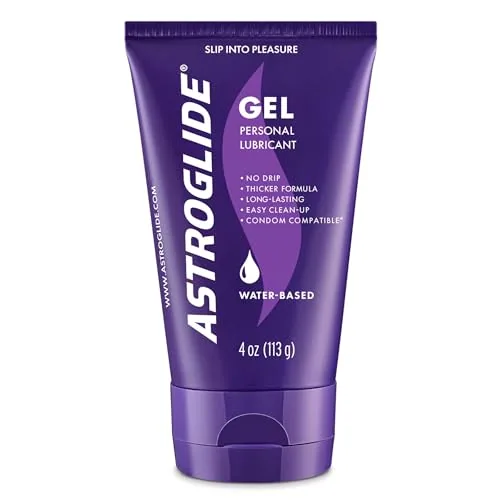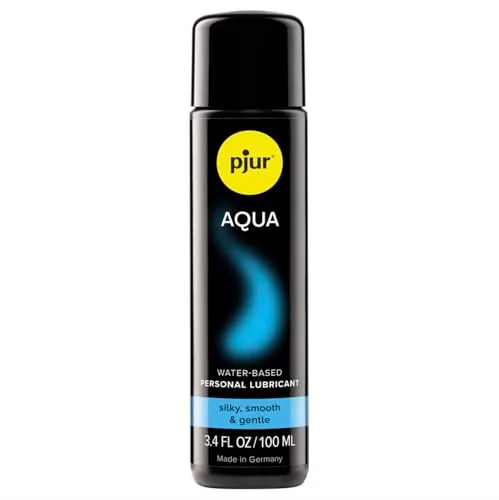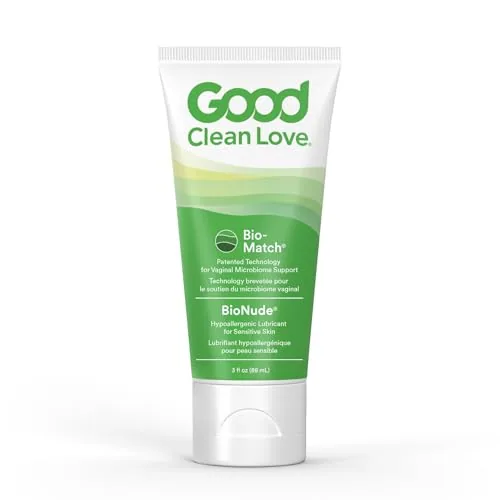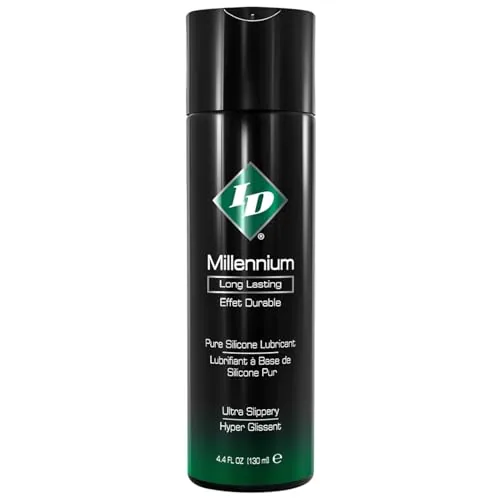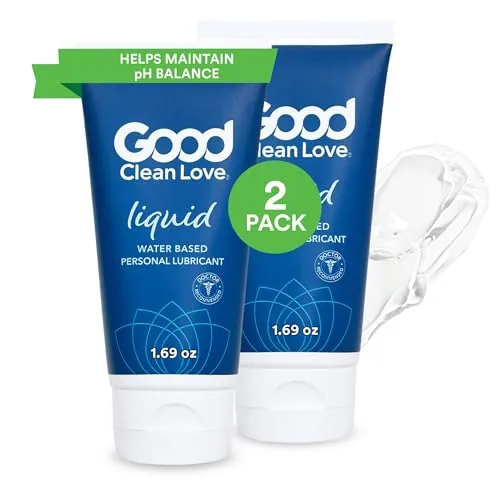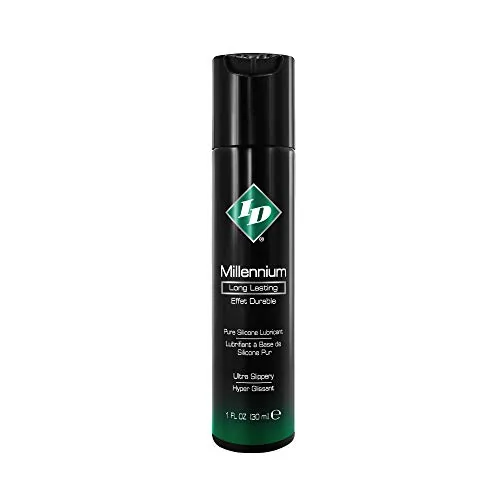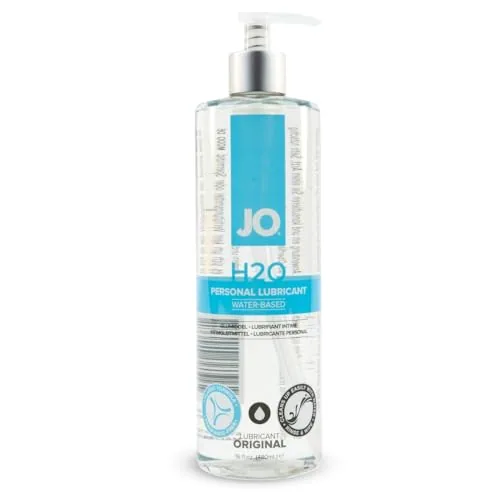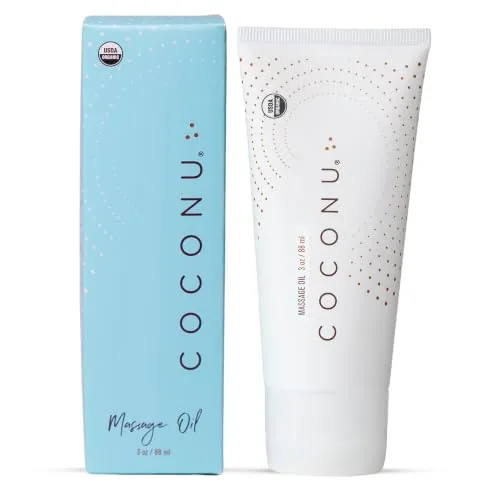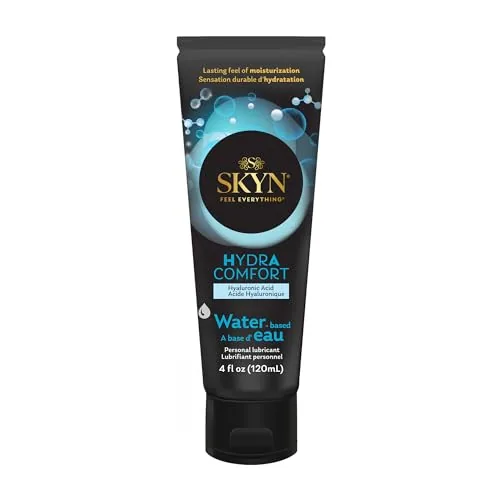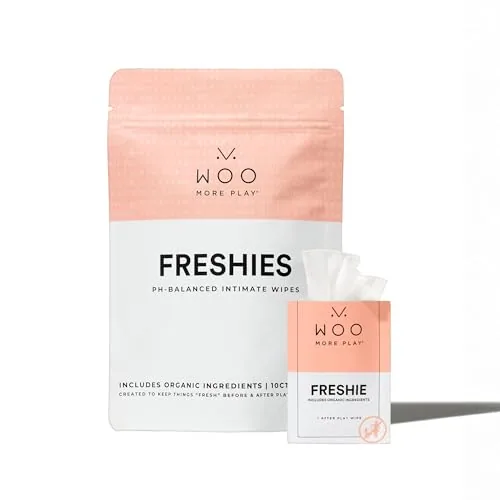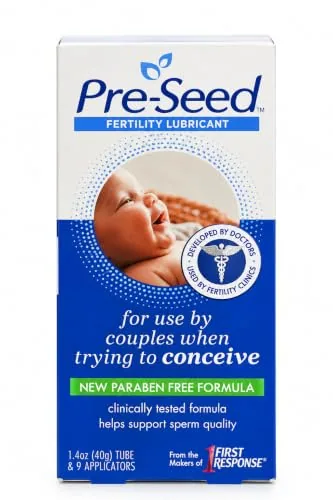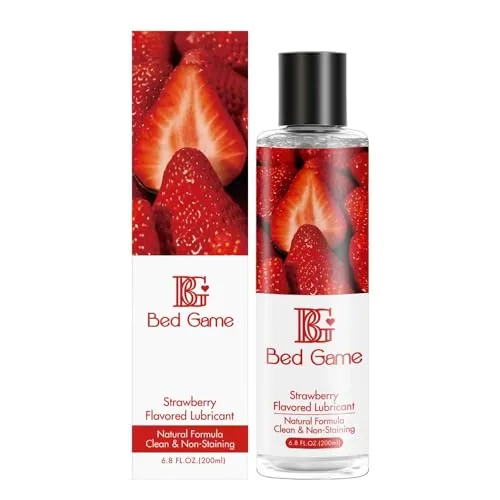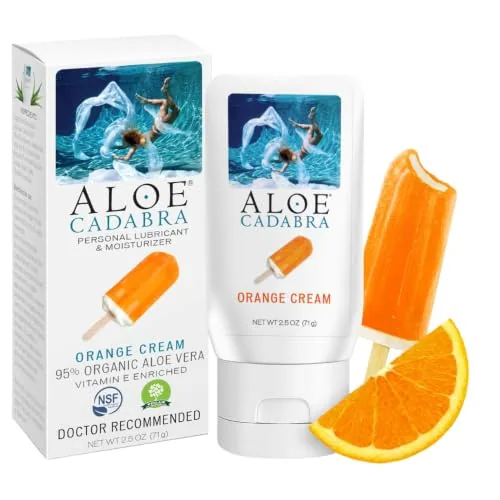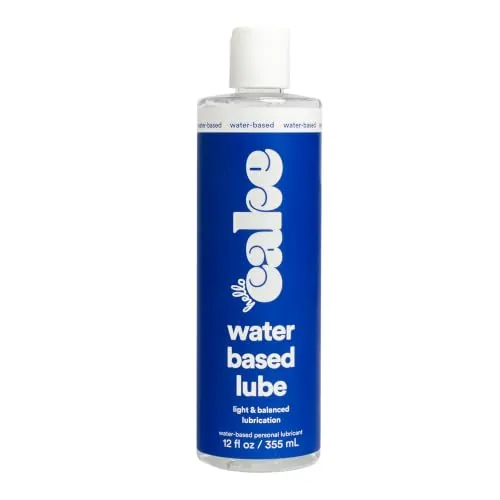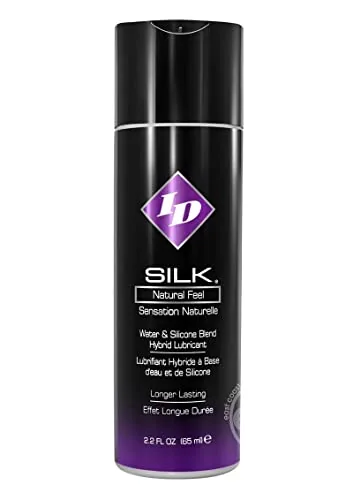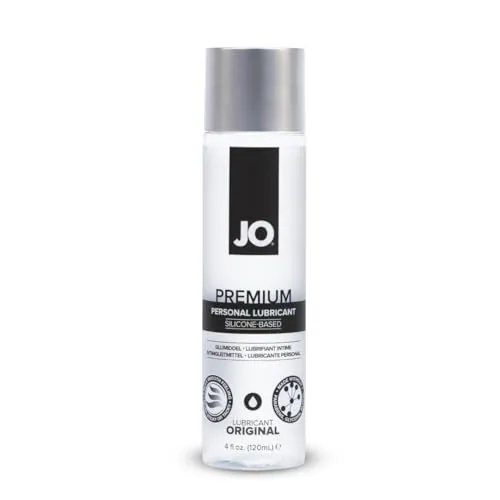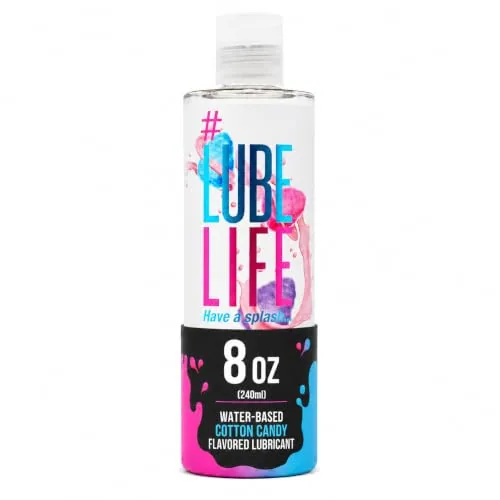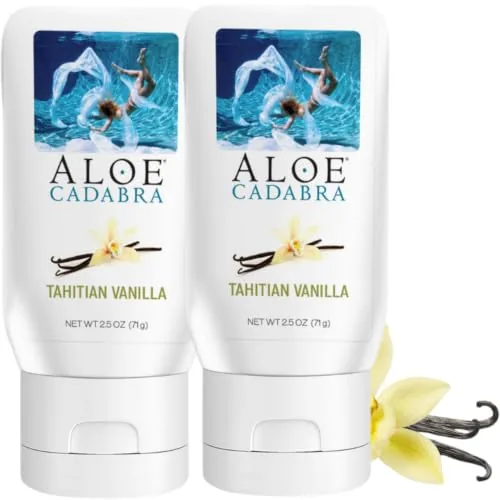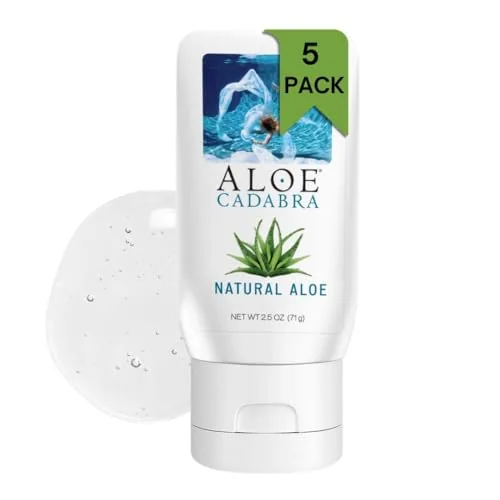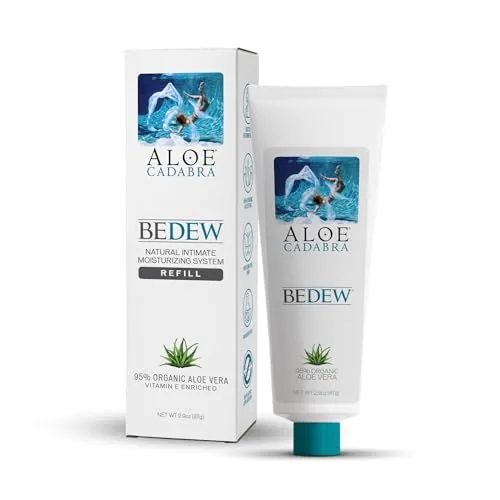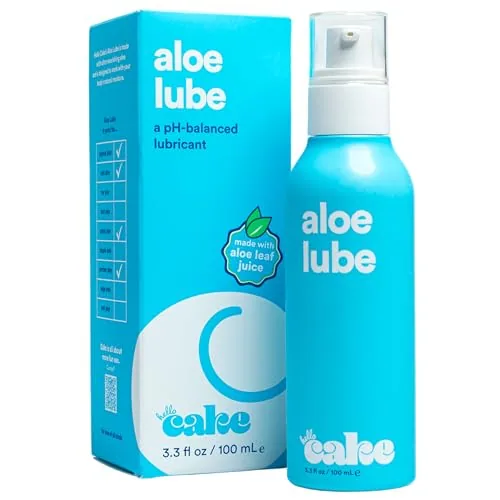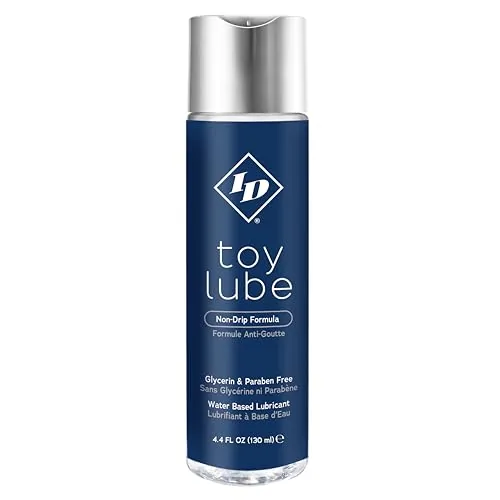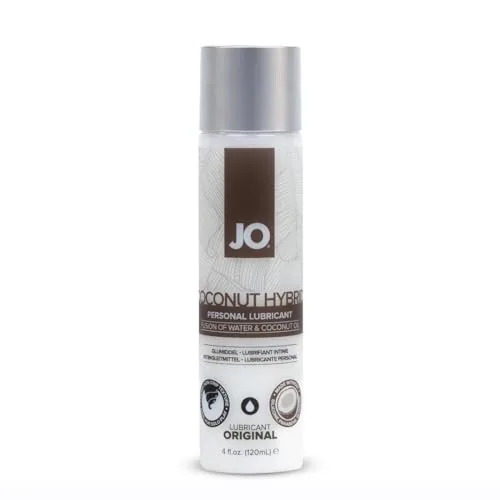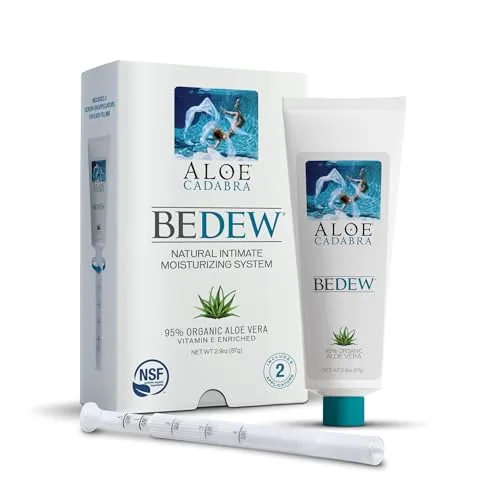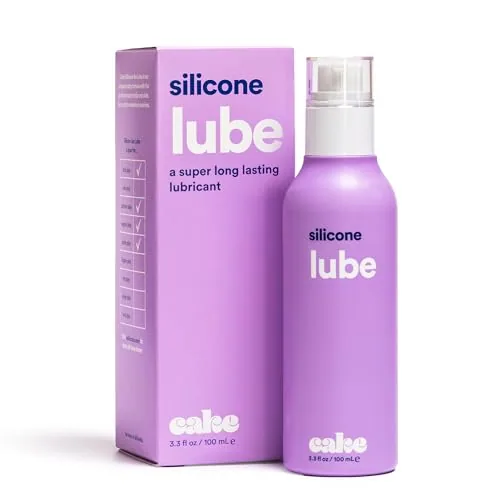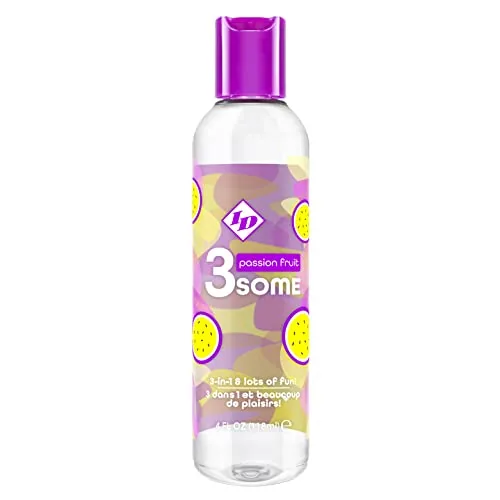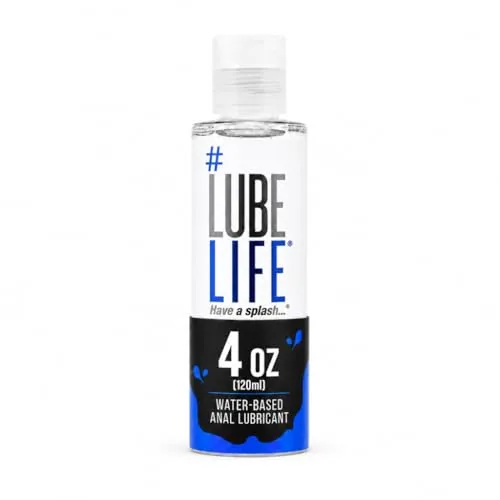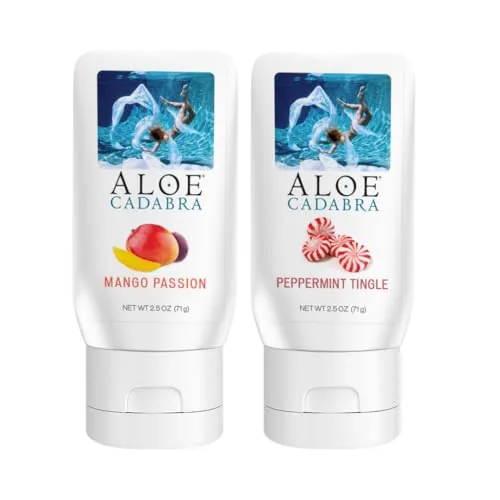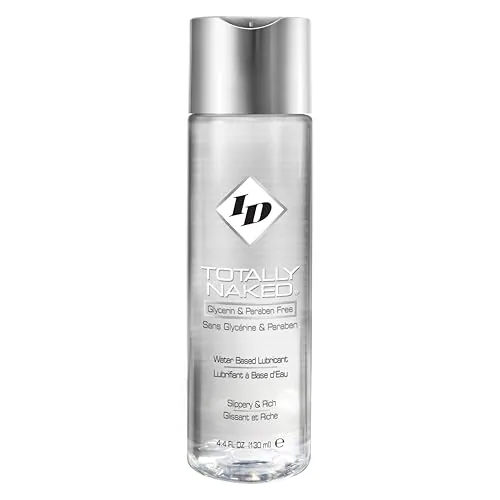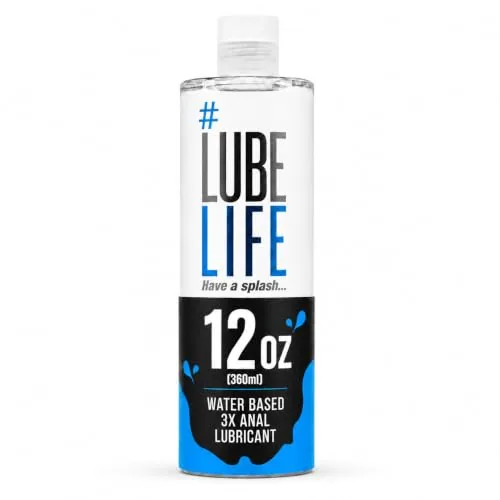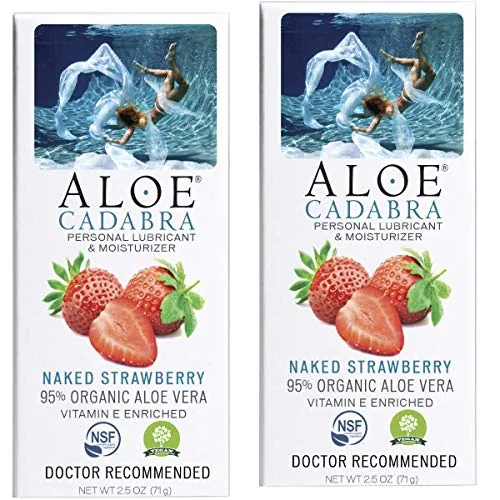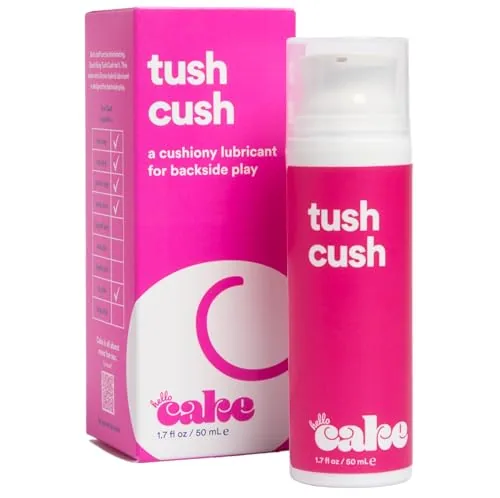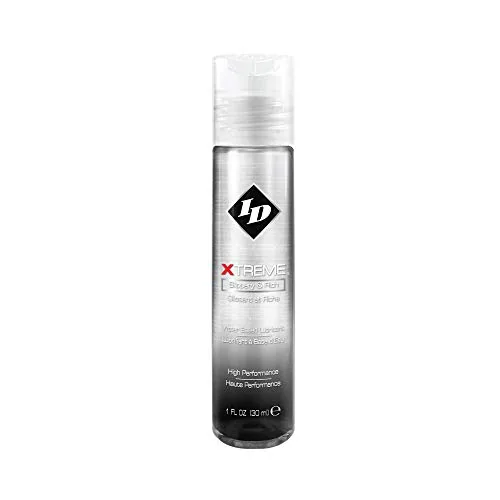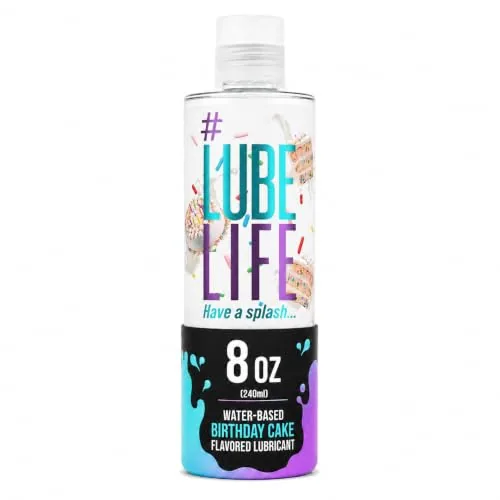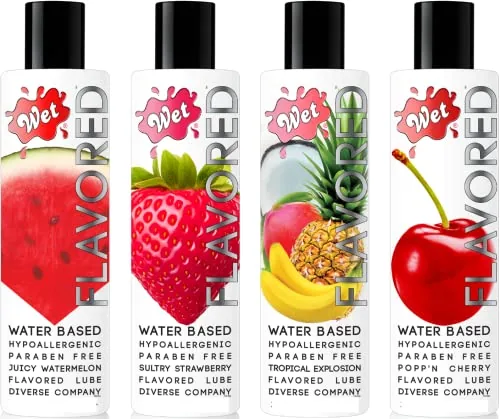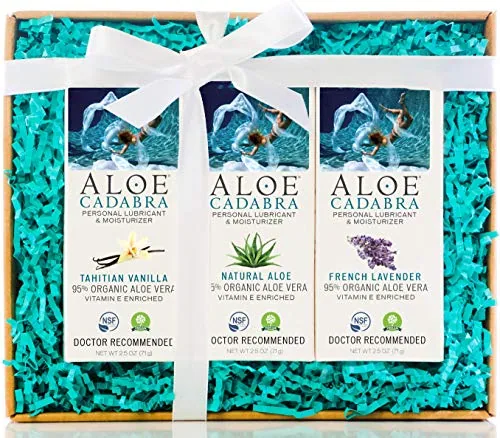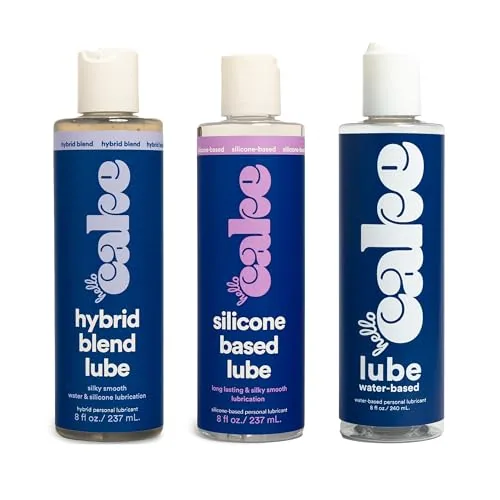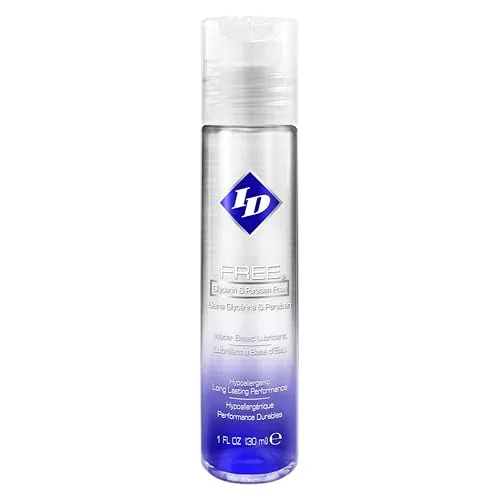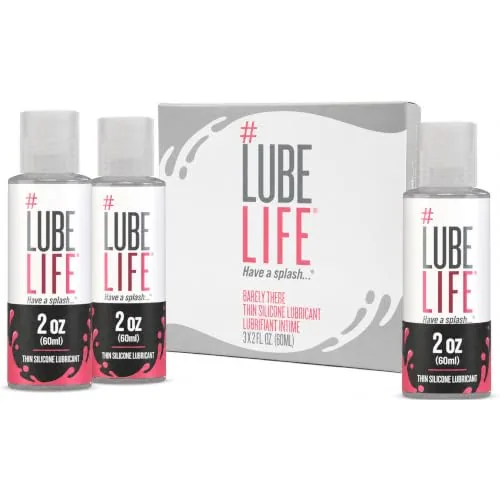
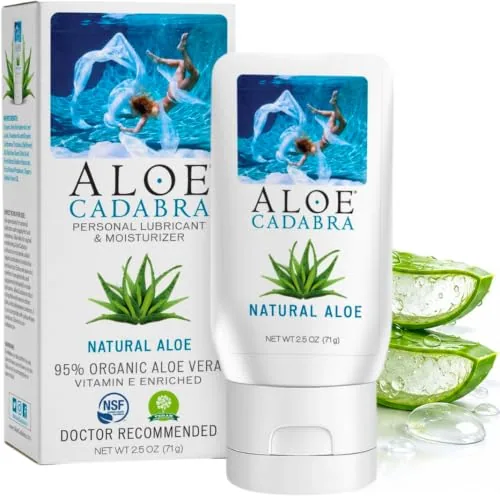
Aloe Cadabra
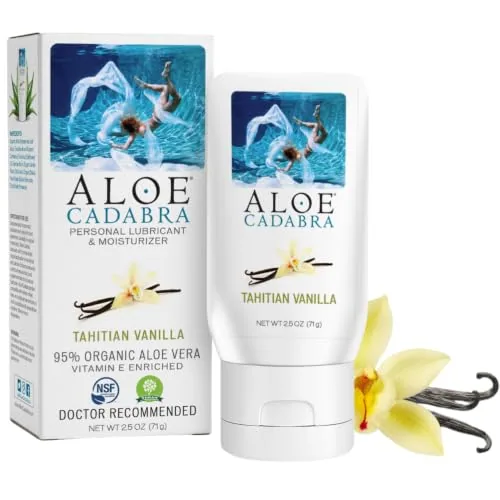
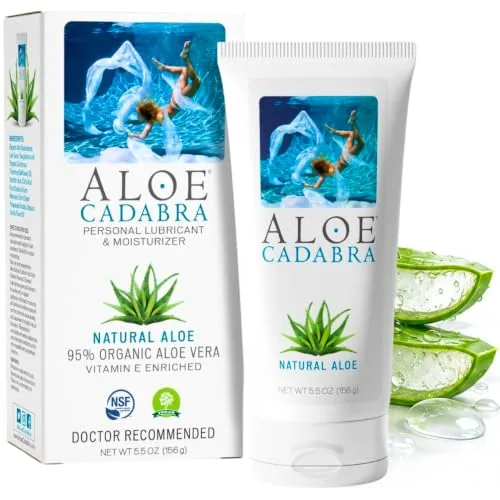
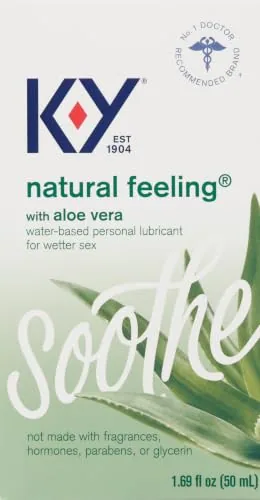
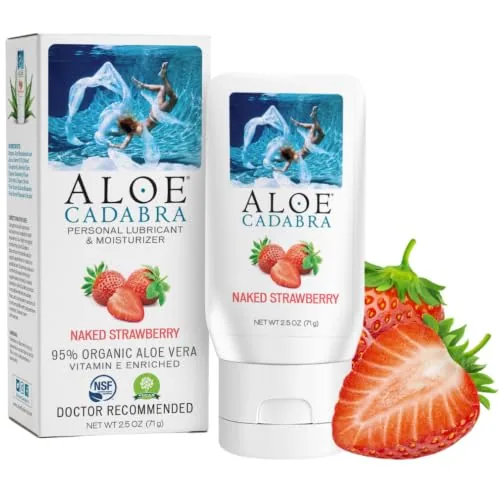
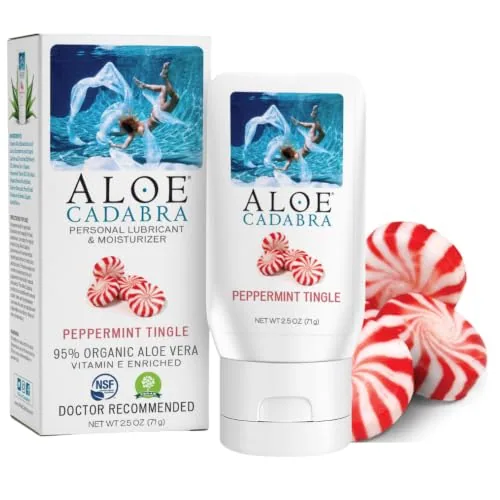
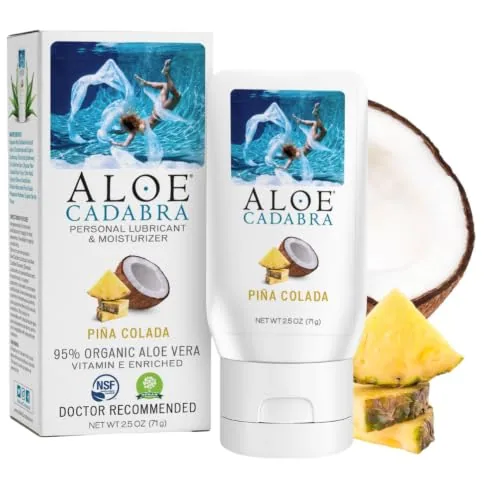
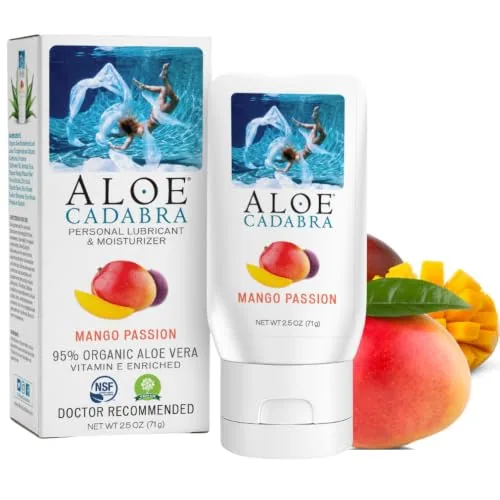
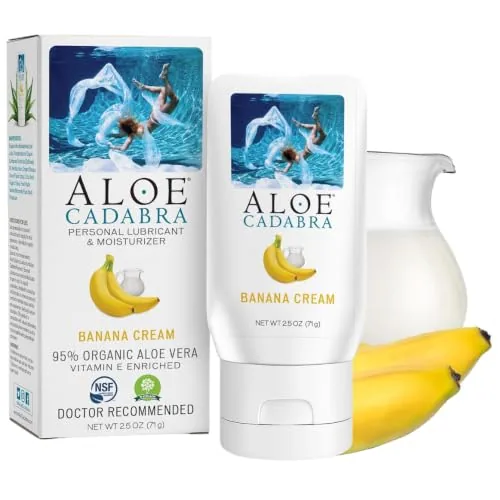
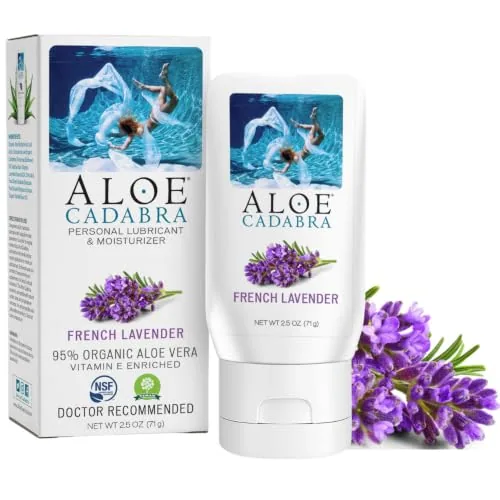
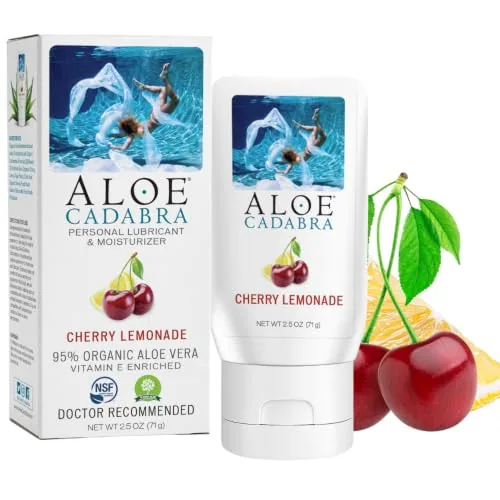
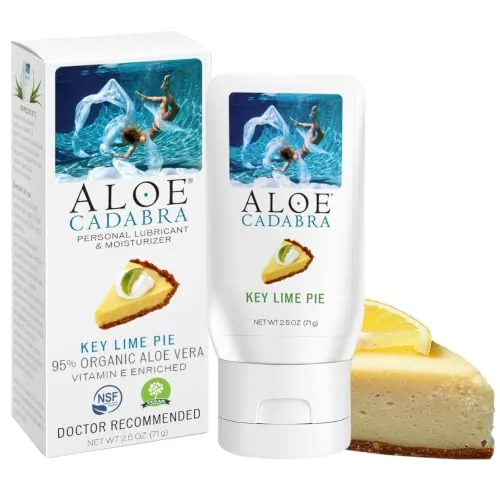
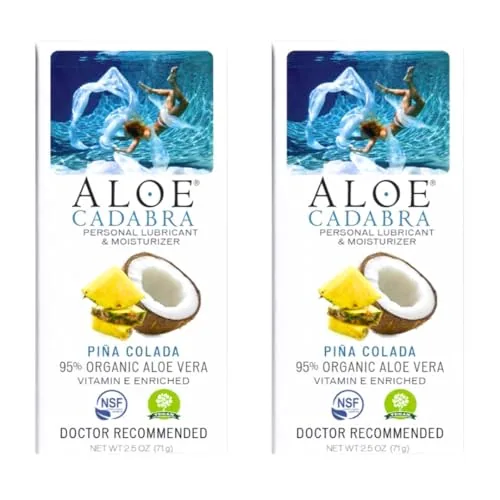
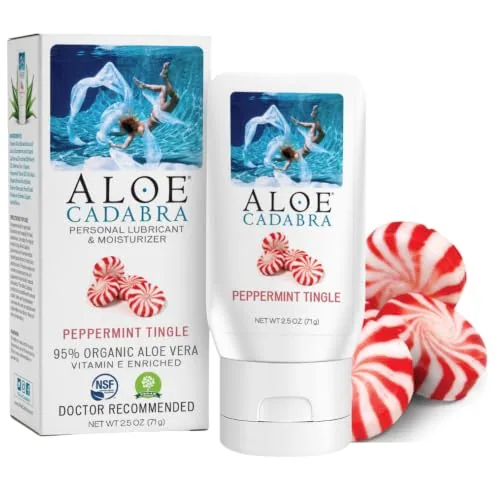
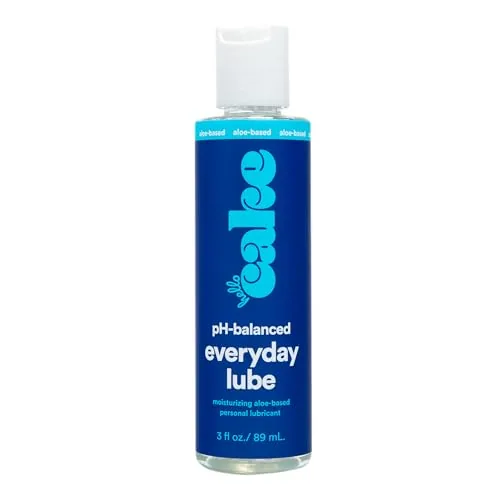
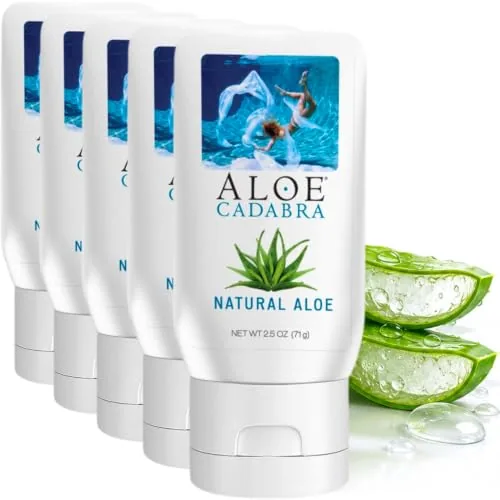
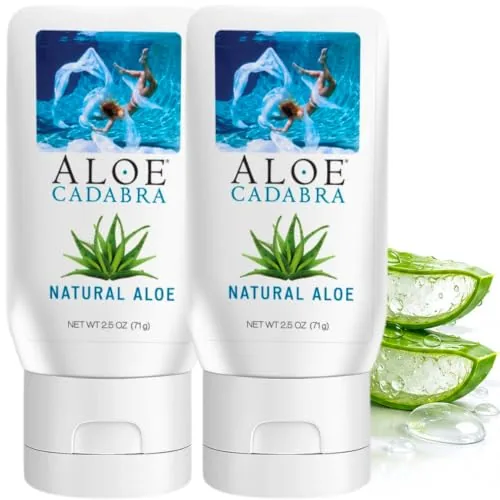
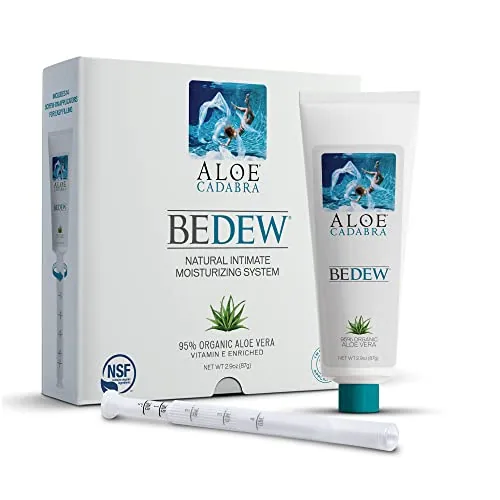
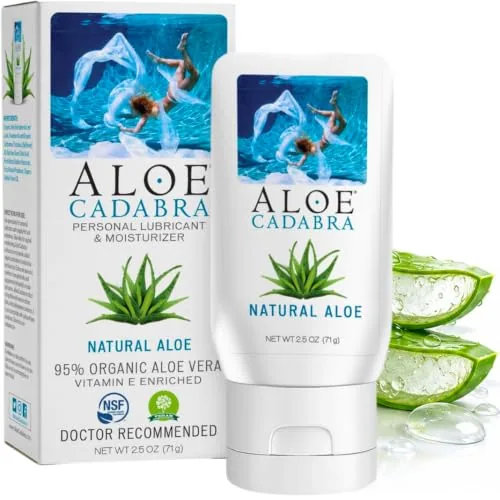
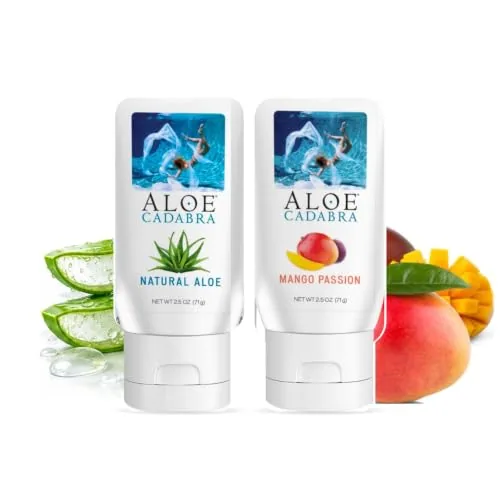
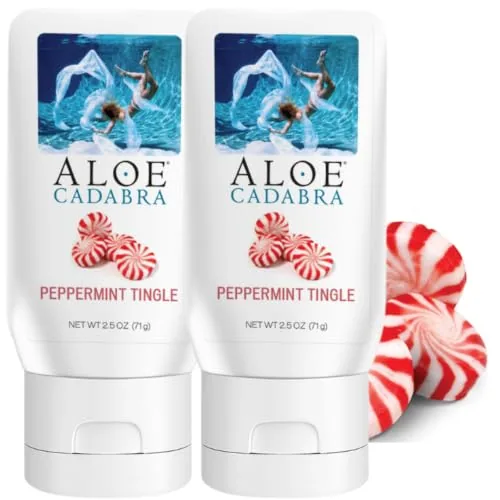
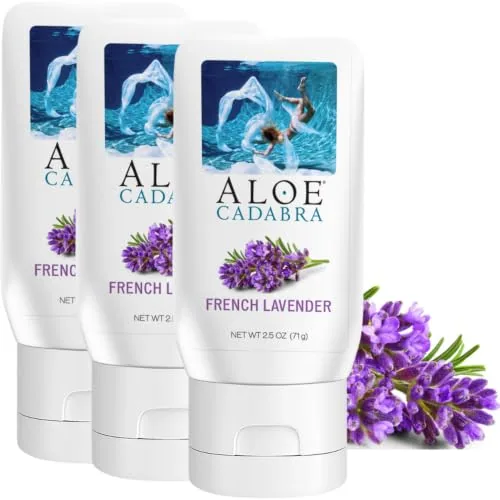
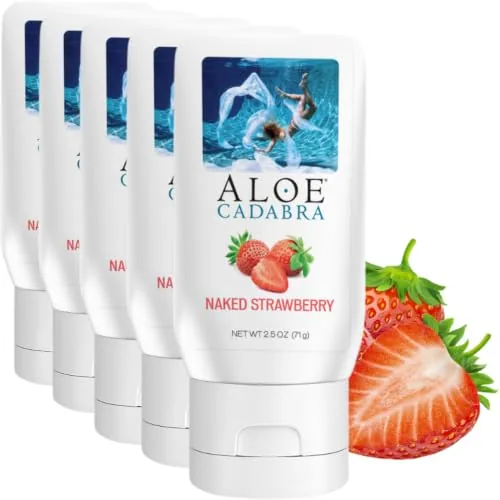
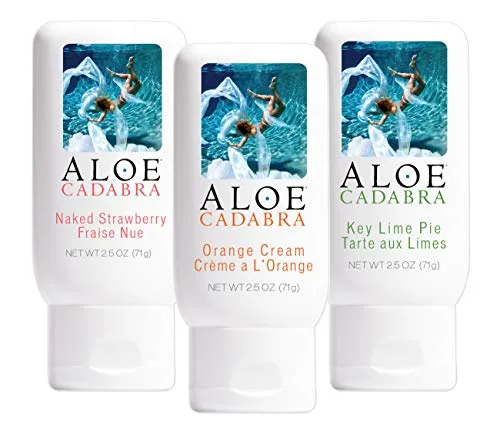
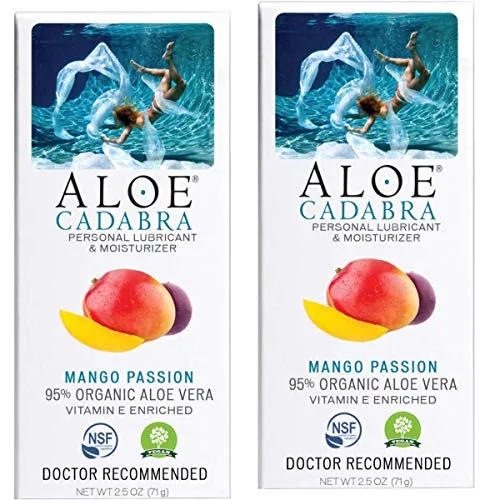
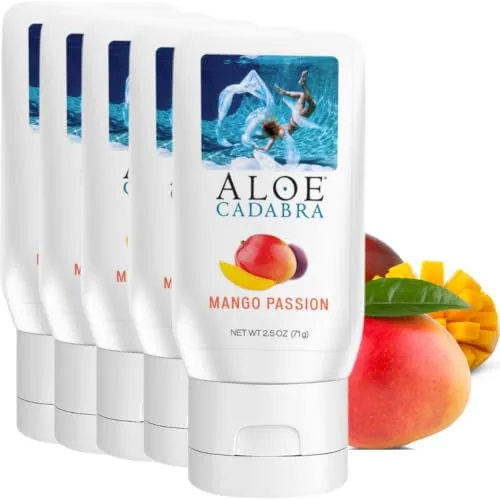
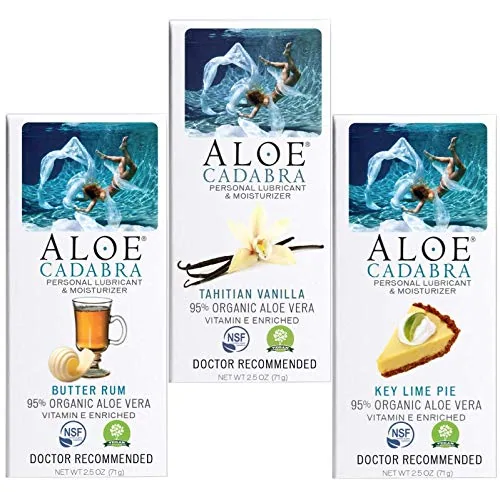
Aloe Cadabra Unscented Aloe Lube, 2.5 oz
- Unscented aloe base
- pH balanced & vegan
- Free of parabens & glycerin
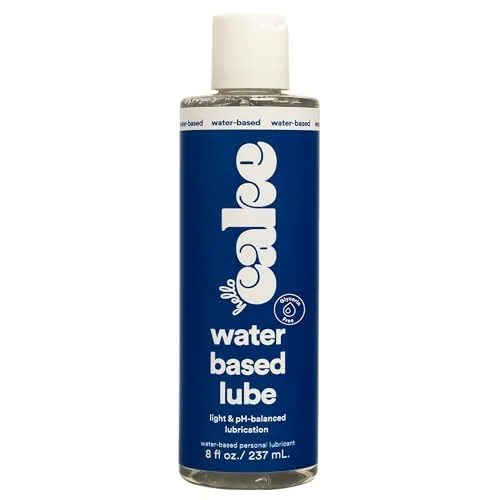
Compare water-based, silicone, hybrid, oil and aloe lube by need and ingredients. Every pick is checked against its label for condoms, toys and sensitive skin.
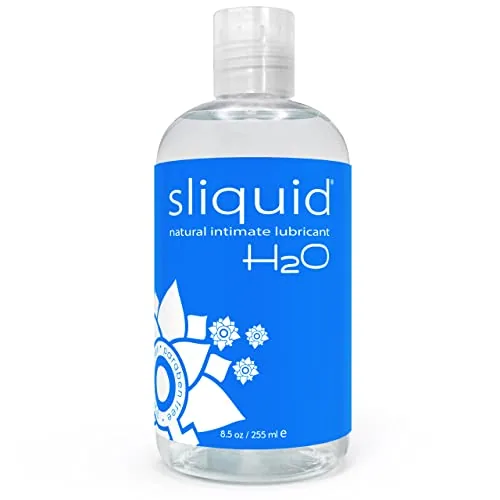
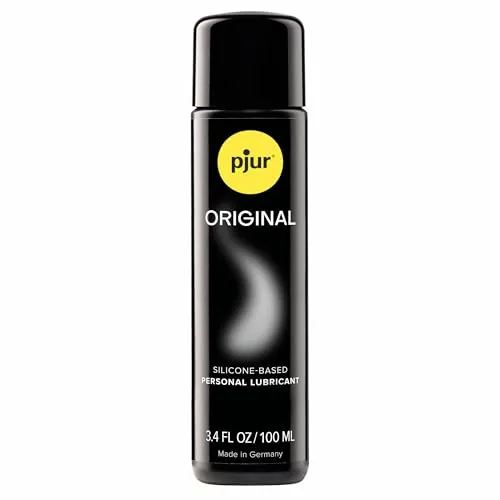
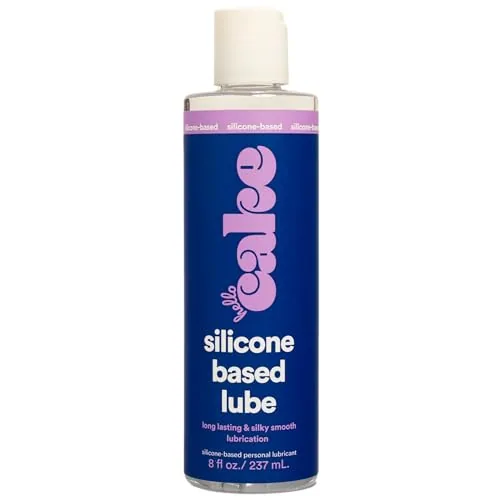
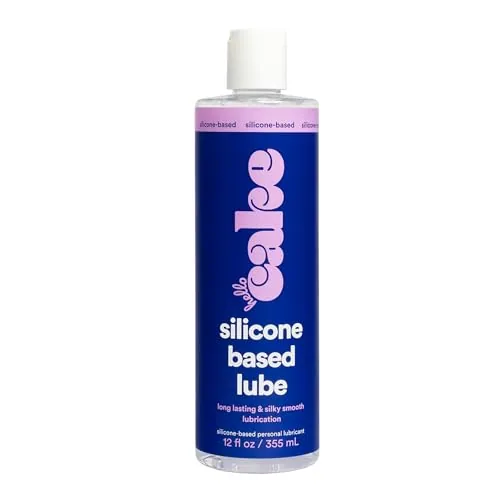
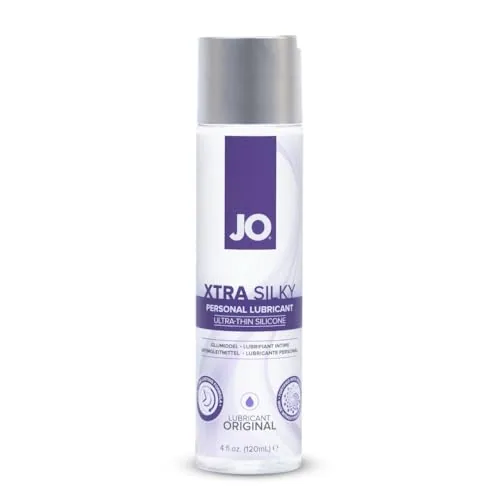
Silicone lubes stay slippery for longer and a few drops go a long way. Here is when they shine, and when to skip them.
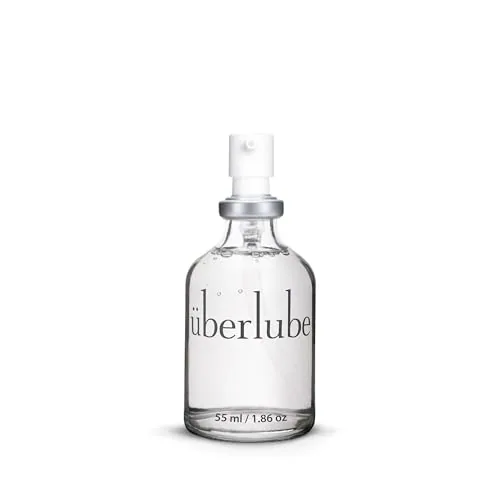
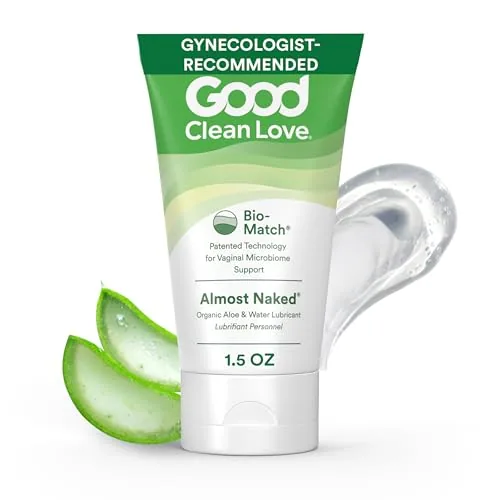
Aloe vera bases and plant-derived formulas for sensitive bodies, everyday dryness and anyone who reads labels.
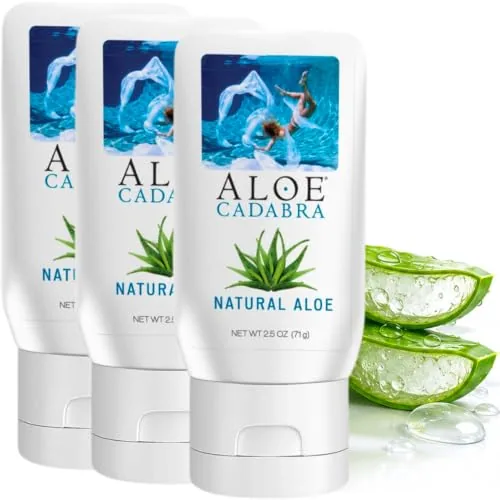
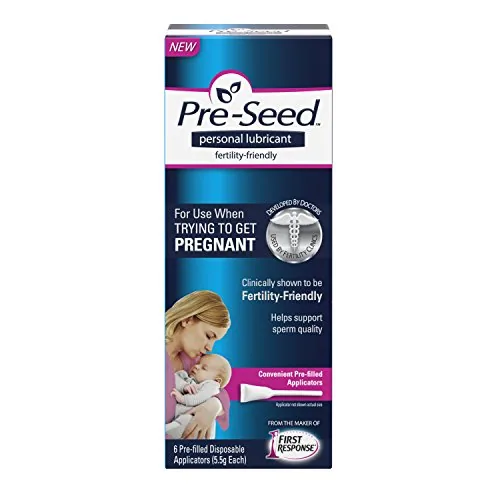
What the FDA's fertility-friendly category means, what the studies found, and the lubes made for couples trying to conceive.
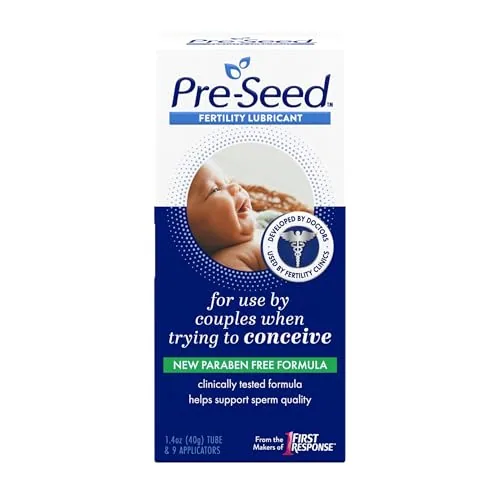
Filter water-based, silicone, hybrid, oil and aloe lube by need. Every product page lists what the maker states about condoms, toys and ingredients.
Nothing matches every filter yet. Try removing one.
The formulas readers reach for most, from everyday water-based to long-lasting silicone.
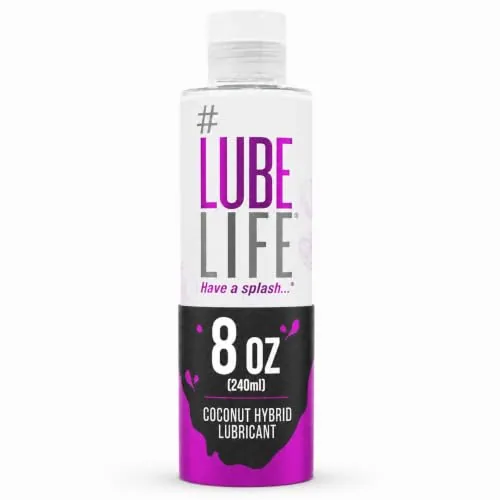
Specialist lubricant brands, from premium silicone lube to organic aloe and coconut formulas.
Usage, menopause, osmolality and condom-safety data from published studies, plus what our 383 tracked products are made of.
mOsm/kg. The WHO says ideally 380 or less, and never over 1,200. Products tested c. 2010–2012; formulas may have changed.
LubeRadar products by base
Share of 2025 revenue (estimate)
Share of LubeRadar products the maker states are latex-condom compatible
Number of products per need
Share of women reporting dryness, SWAN cohort
Drop in latex condom burst strength after exposure
Twenty rankings of the best lubricants by type and need, built from labels, compatibility and the job the lube has to do.
 Best of
Our ranked guide to the best lube: water-based, silicone and aloe picks compared by base, condom and toy safety, and ingredient lists.
 Best of
The best water-based lubes ranked: glycerin-free, toy-safe, organic and long-lasting gels, with a comparison table and osmolality context.
 Best of
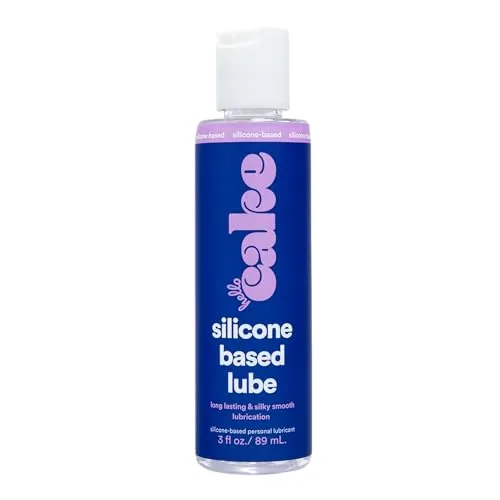
The best silicone lubes ranked by feel, ingredients and compatibility, with condom notes, a comparison table and tips on silicone toys.
 Best of
Gentle lubricants for sensitive skin ranked: fragrance-free, glycerin-free and paraben-free picks, with a comparison table and osmolality context.
 Best of
The best lube for menopause dryness, plus vaginal moisturizers: hyaluronic acid gels, inserts and aloe formulas compared side by side.
 Best of
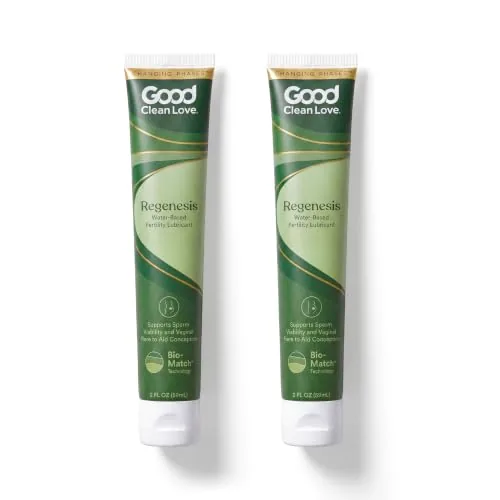
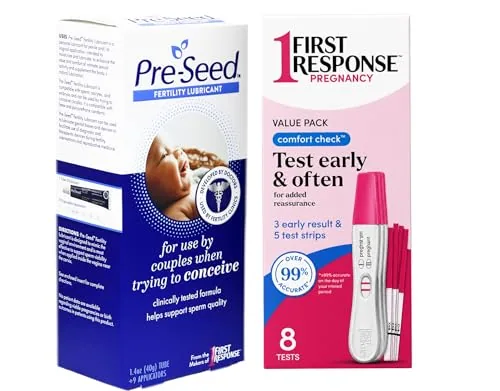
Fertility-friendly lube compared: Pre-Seed, Good Clean Love Regenesis and more, with what the research and FDA labeling actually say.
Two lube brands or two lube types side by side, with a comparison table and a clear verdict.
VersusWater-based vs silicone lube: compare glide, staying power, clean-up, condoms and toys side by side and pick the right one for you.
VersusSilicone vs hybrid lube explained: compare glide, staying power, silicone toys, condoms and clean-up to see which is better for you.
 Versus
Oil-based vs water-based lube: compare feel, condom safety, toys, clean-up and comfort, and see which is better for your situation.
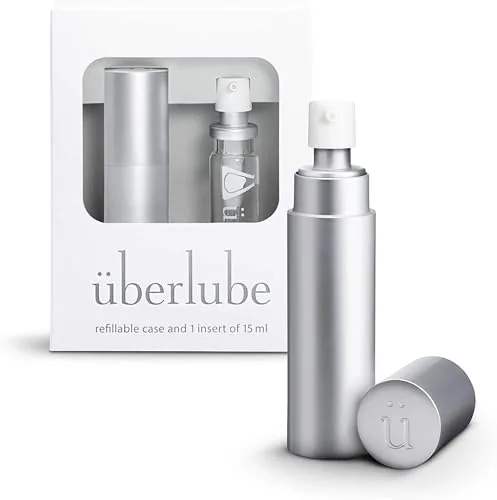
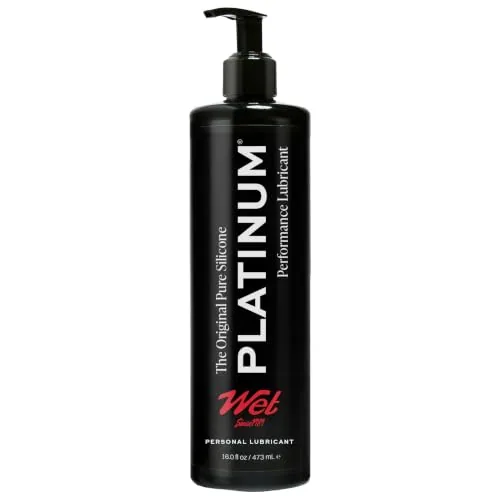
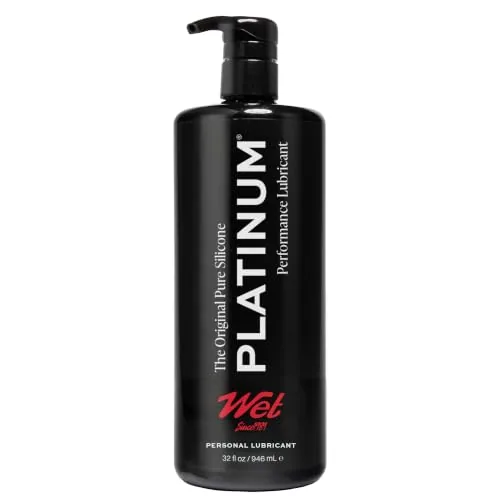
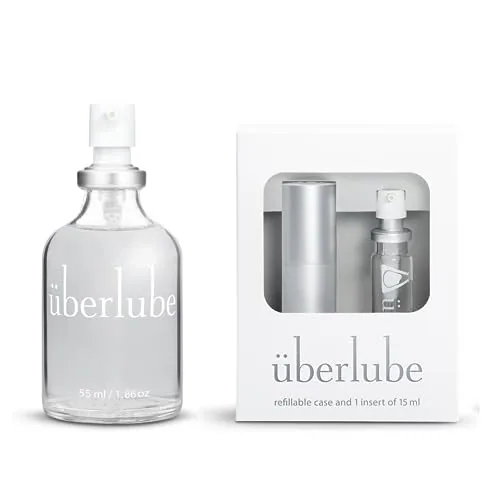
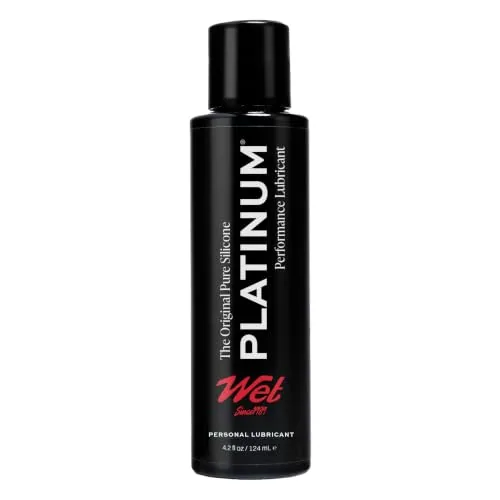
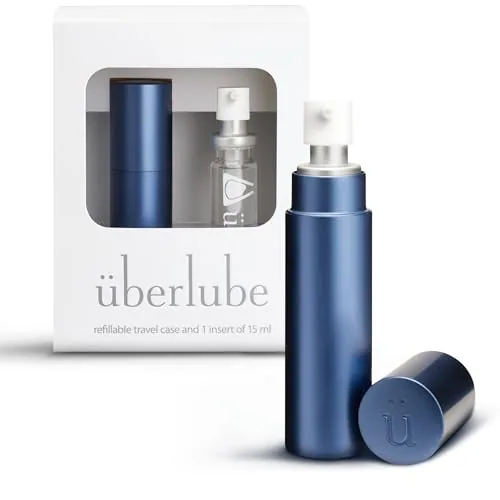
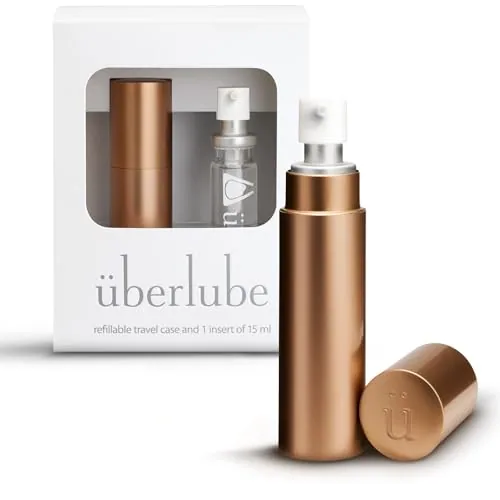
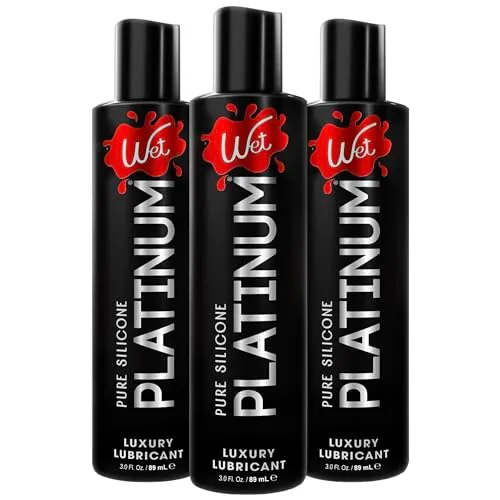
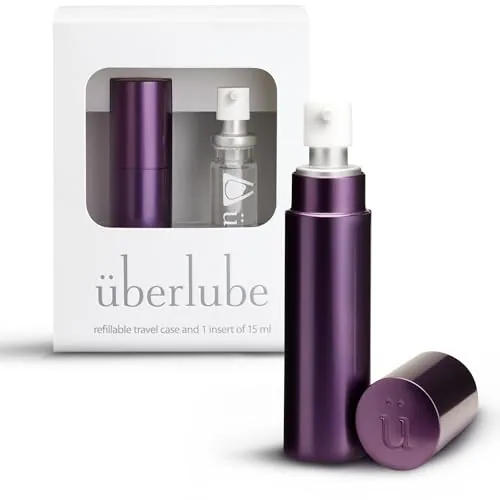
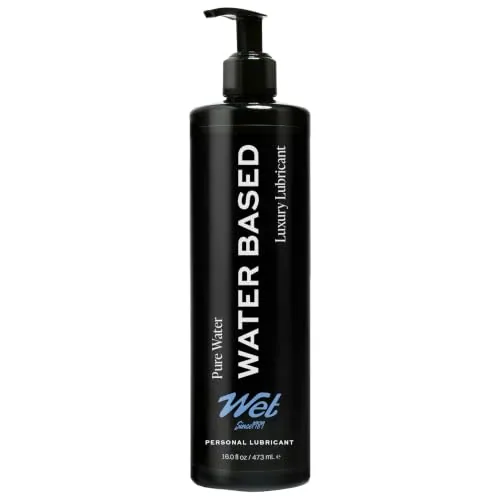
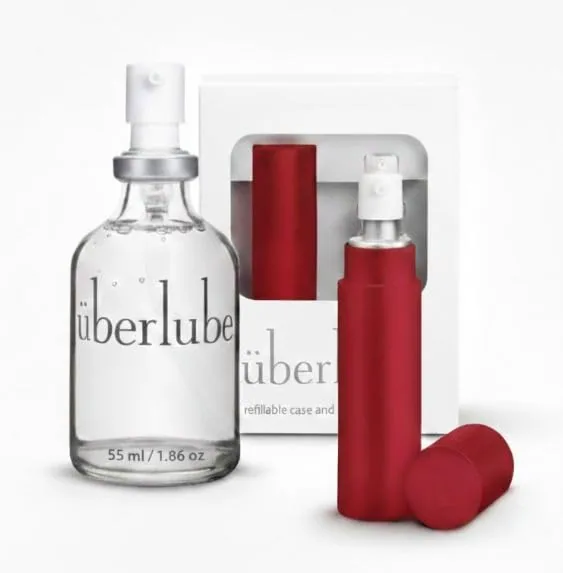
VersusÜberlube vs Wet Platinum: compare two best-known silicone lubes on ingredients, sizes, condom and toy rules, and who each one suits.
 Versus
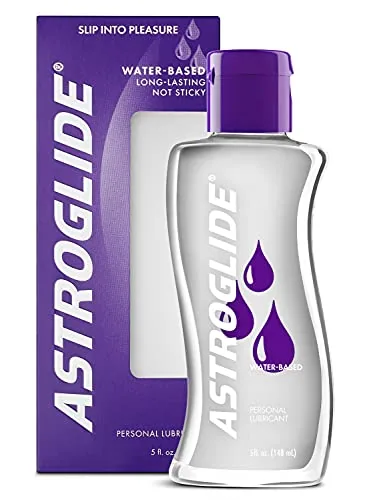
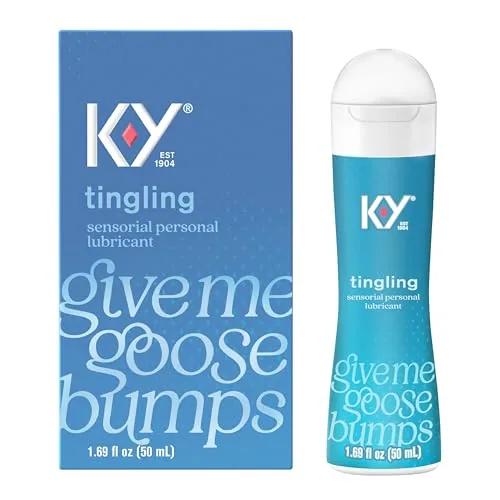
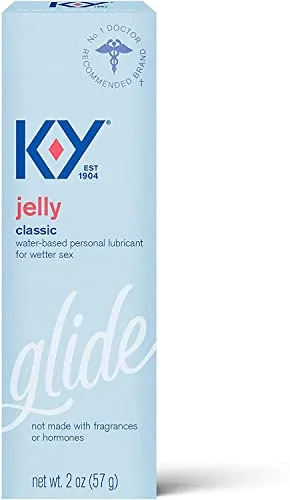
Astroglide vs K-Y compared: ranges, label claims, sensitive-skin lines, silicone options and what lab studies measured on older formulas.
 Versus
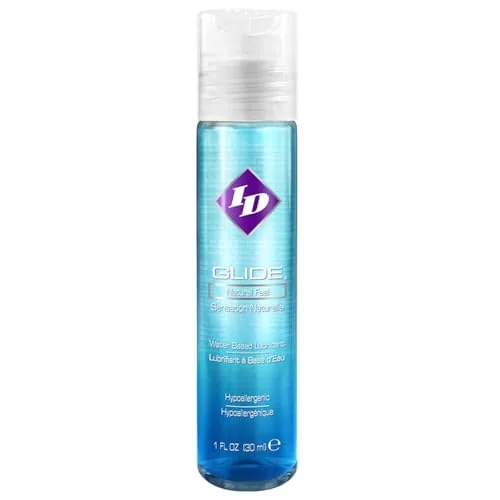
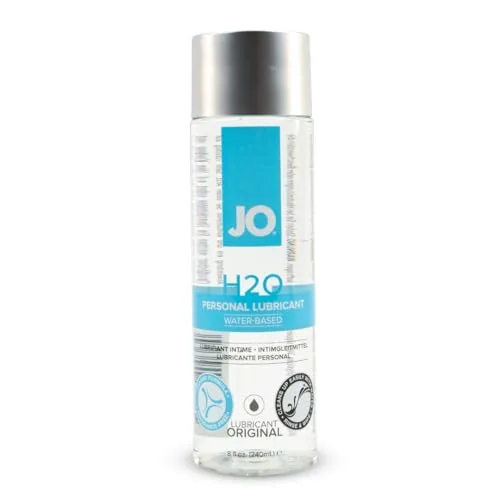
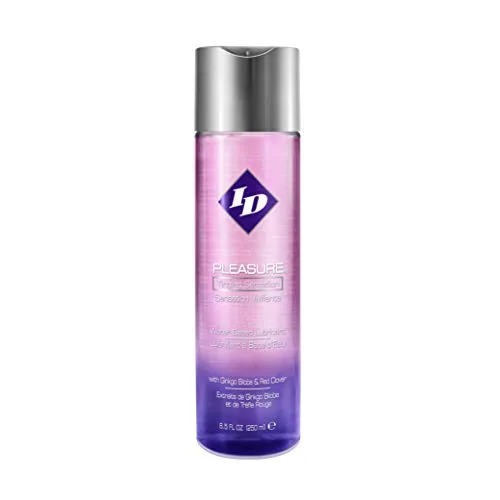
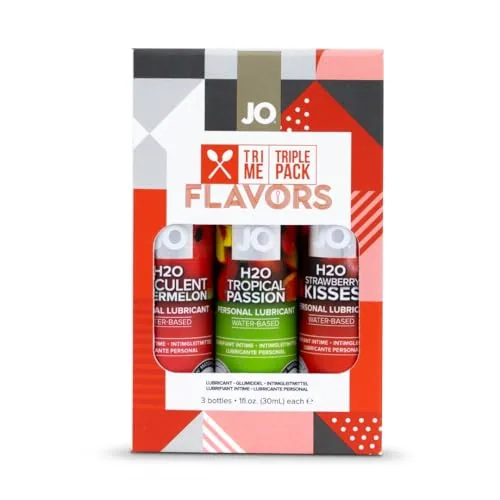
JO vs ID Lubricants: compare water, silicone and hybrid lubes, sensitive-skin lines, glycerin-free options and published lab figures.
Plain-language answers on lube types, condoms, toys, menopause dryness, fertility and ingredients.
 Guide
Water, silicone, oil or hybrid? A friendly guide to the main types of lube and how to match one to condoms, toys, shower use and sensitive skin.
 Guide
Is lube safe with condoms? Which bases suit latex, polyisoprene and polyurethane, why oil is a problem and what research says about breakage.
 Guide
Can you use silicone lube with silicone toys? Why it can damage them, which toy-safe lube to choose instead and how to spot test your toys.
 Guide
Looking for lube for menopause? Learn how lubricants differ from vaginal moisturizers, what research says about dryness and what to look for.
GuideDoes lube affect sperm? What lab studies and a large cohort found, what a fertility-friendly lube means under FDA rules and how to choose one.
 Guide
Choosing lube for sensitive skin? Glycerin, parabens, fragrance and nonoxynol-9: what the evidence says and how to shop for a hypoallergenic lube.
Which lube works with latex condoms, silicone toys and the shower, in one table.
| Base | Latex condoms | Silicone toys | Shower & water | Washes off easily | Feel |
|---|---|---|---|---|---|
| Water-based | ✓ Yes | ✓ Yes | ✗ Rinses away | ✓ Yes | Light, may need reapplying |
| Silicone | ✓ Yes | ✗ Avoid (spot-test) | ✓ Yes | ~ Needs soap | Silky, very long-lasting |
| Hybrid | ✓ Usually | ~ Check label | ~ Partly | ✓ Mostly | Creamy, lasts longer than water |
| Oil & butter | ✗ No | ~ Check toy material | ✓ Yes | ✗ Can stain | Rich, doubles as massage oil |
| Aloe-based | ✓ Yes | ✓ Yes | ✗ Rinses away | ✓ Yes | Soft, soothing, short ingredient list |
Water-based, aloe-based and silicone lubricants are compatible with latex condoms. Oils and butters, including coconut oil and mineral oil, weaken latex and should not be used with latex condoms.
It is safest not to. Silicone lube can make some silicone toys tacky. Use a water-based or toy-safe hybrid formula, or spot-test first if the maker allows it.
Look for a short ingredient list without fragrance, warming agents, glycerin or parabens, and a pH close to the body area it is used on. Aloe-based and plain water-based formulas are popular starting points.
Lubricants used during intimacy and longer-acting vaginal moisturizers are first-line options for milder symptoms, according to The Menopause Society's 2020 position statement. See a clinician if dryness is persistent or painful.
Some lubricants reduce sperm motility in lab tests, so couples trying to conceive often choose an FDA-cleared fertility-friendly lubricant. A large cohort study found typical lube use did not lower the monthly chance of conception.
Most people are happiest with a gentle water-based formula. Our top pick works with condoms and toys.