
Water-Based Lube
Water-based lube is light, easy to rinse and friendly with latex condoms and silicone toys, which makes it the everyday default for most people.
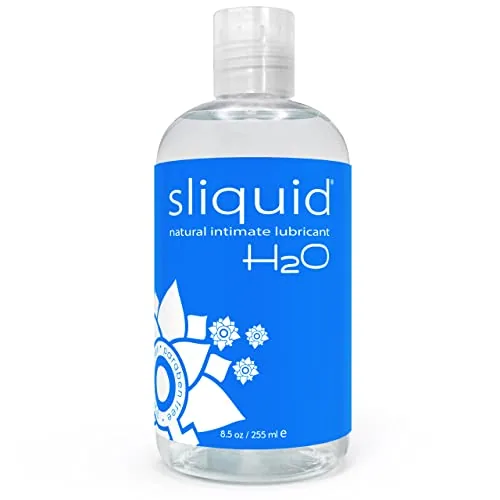
Sliquid H2O Water-Based Lube, 8.5 oz
- Glycerin & paraben free
- Fragrance free & vegan
- Toy & condom compatible
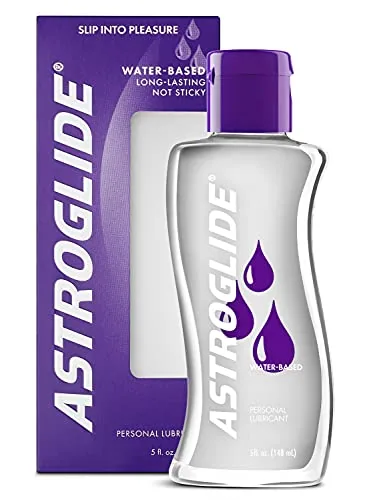
Astroglide Liquid Water-Based Lube, 5 oz
- Classic liquid formula
- Water-based
- Condom & toy safe
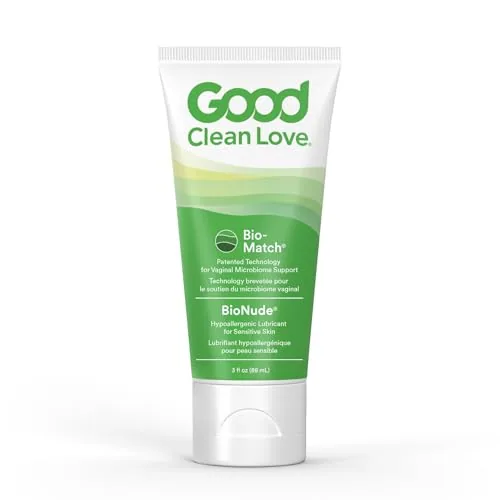
Good Clean Love BioNude Ultra Sensitive, 3 oz
- Glycerin & paraben free
- Unscented, unflavored
- Hypoallergenic
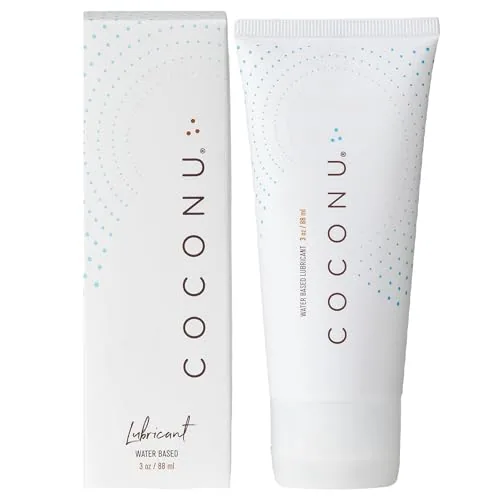
Coconu Organic Water Based Lubricant, 3 oz
- Organic coconut water
- Glycerin and paraben free
- pH balanced
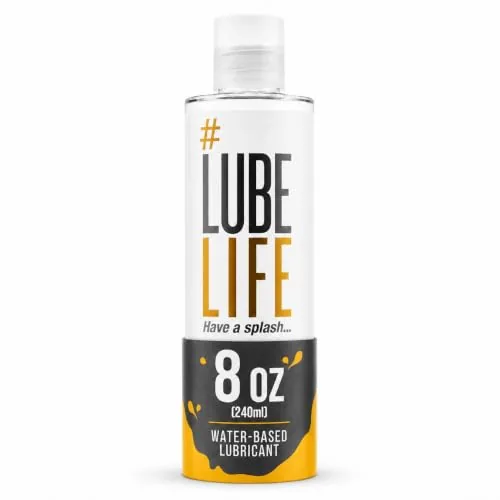
LubeLife Water Based Lube, 8 fl oz
- Non-staining formula
- Condom and toy compatible
- Easy water cleanup
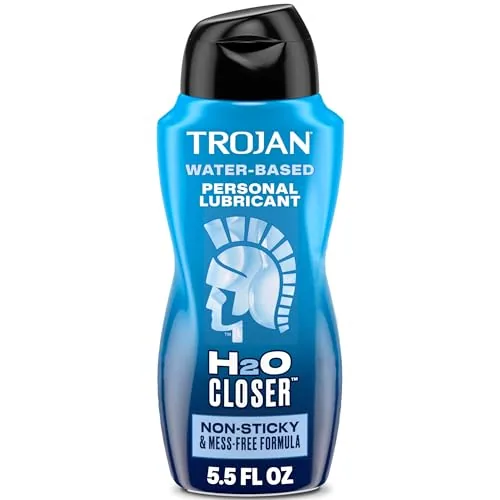
Trojan H2O Closer Water-Based Lube, 5.5 fl oz
- Vitamin E and hyaluronic
- Fragrance and dye free
- Non-sticky
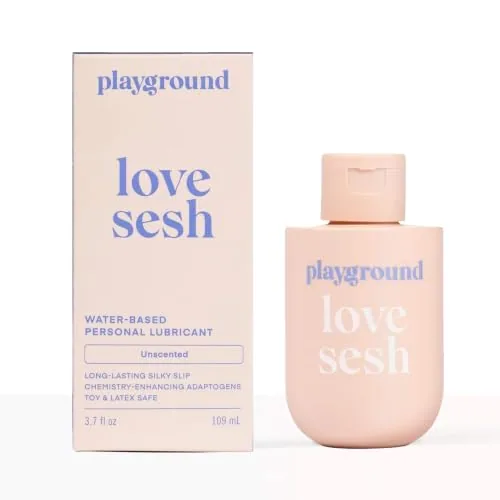
Playground Love Sesh Water-Based Lube
- Hyaluronic acid + vitamin E
- Fragrance free
- Toy and latex safe
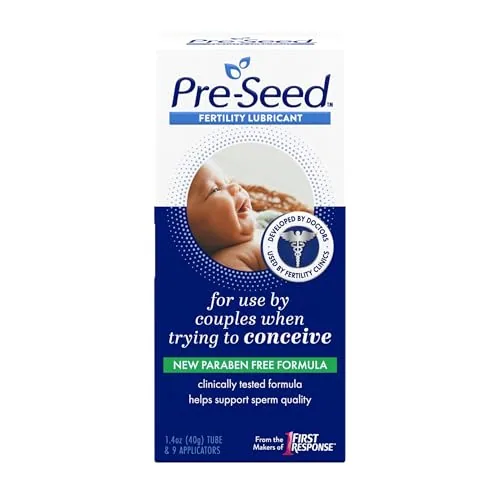
Pre-Seed Fertility Lubricant, 9 Applicators
- Fertility-friendly
- Isotonic, pH balanced
- Prefilled applicators
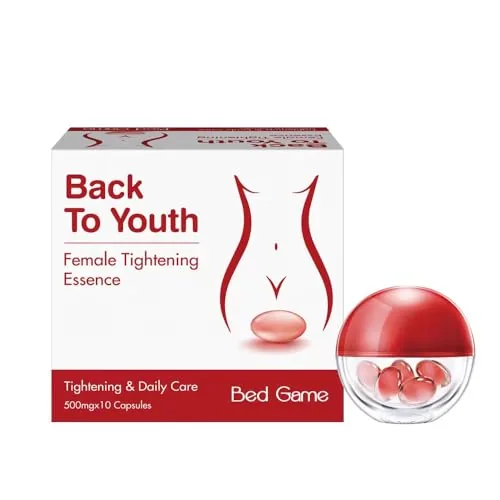
BED GAME Hyaluronic & Aloe Moisture Capsules, 10 ct
- Hyaluronic acid + aloe
- Paraben & fragrance free
- Gynecologist-tested
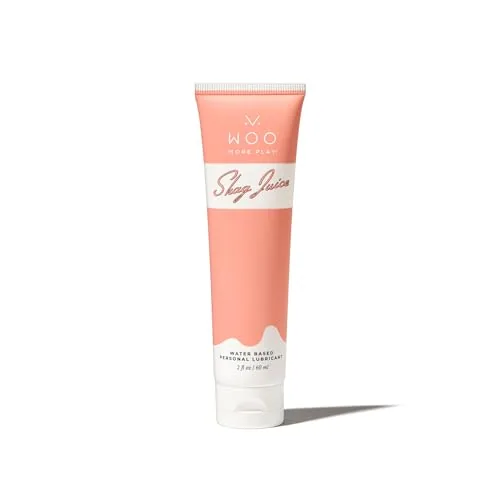
Woo More Play Natural Water-Based Lube
- Paraben & silicone free
- Unscented, unflavored
- Toy-friendly, latex compatible
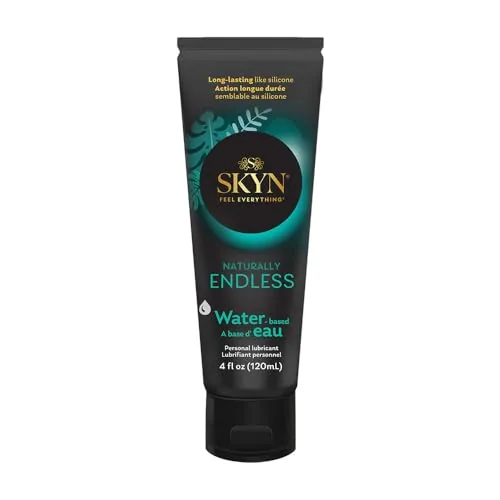
SKYN Naturally Endless Water-Based Lube, 4 oz
- Silicone-like longevity
- Fragrance & paraben free
- Works with toys and condoms
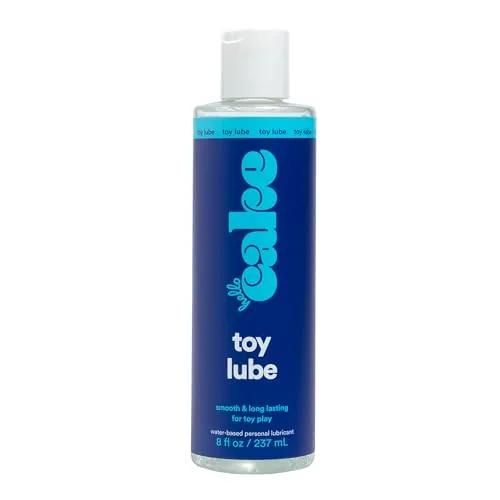
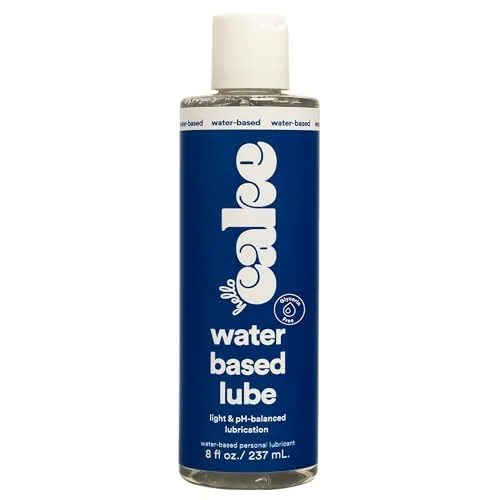
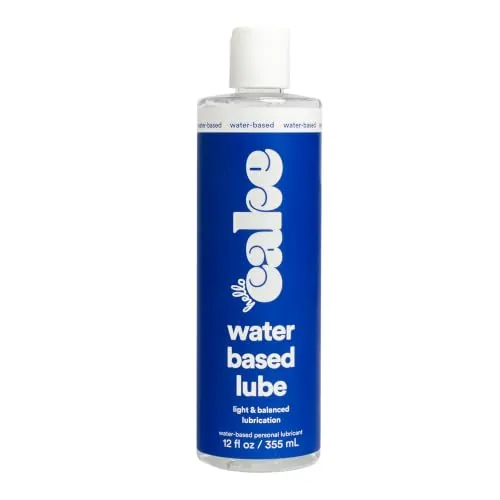
Hello Cake Toy Lube Water-Based, 8 oz
- Thick non-drip jelly
- Toy friendly
- Paraben & fragrance free
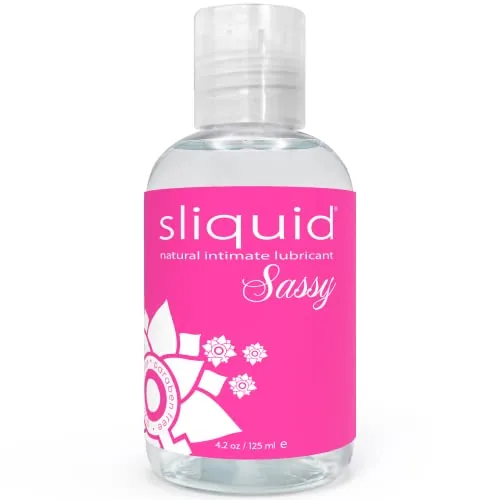
Sliquid Sassy Thick Water-Based Lube, 4.2 oz
- Thick long-lasting gel
- Glycerin free
- Vegan friendly
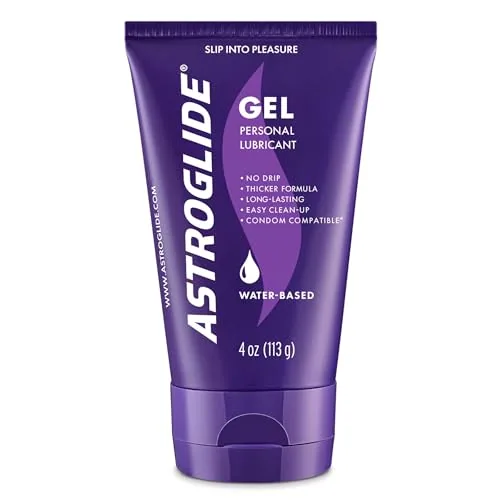
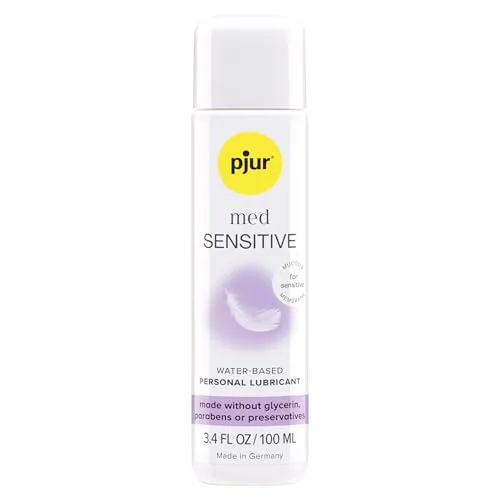
pjur med Sensitive Water-Based Lube, 3.4 oz
- Glycerin & paraben free
- No preservatives
- For sensitive skin
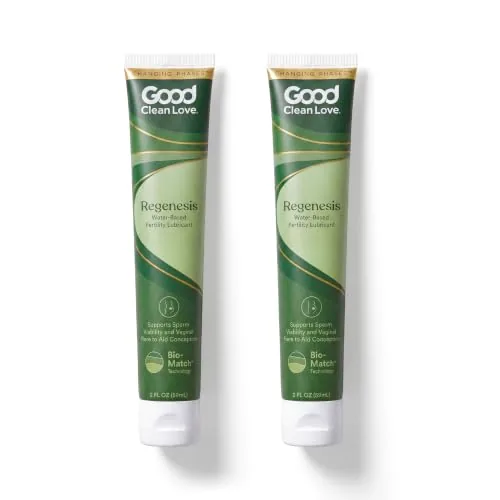
Good Clean Love Regenesis Fertility Lube, 2 oz (2-pack)
- Fertility friendly
- Glycerin & paraben free
- Fragrance free
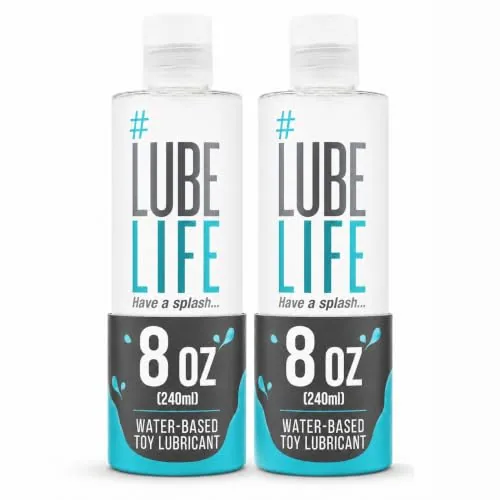
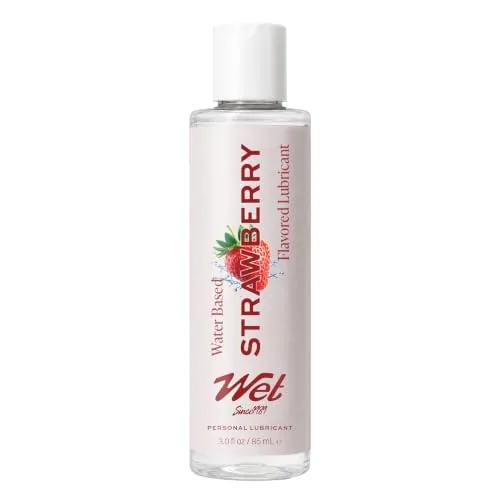
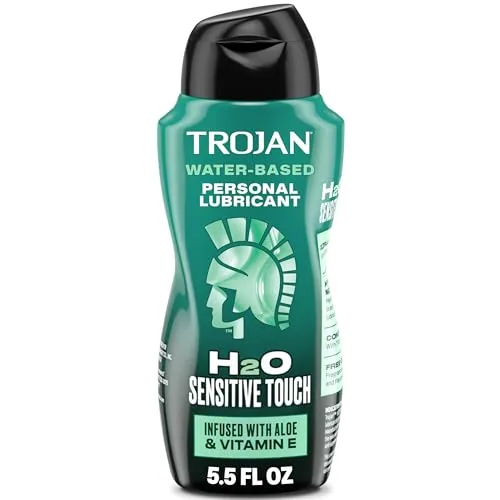
Trojan H2O Sensitive Touch Water-Based Lube, 5.5 fl oz
- Aloe and vitamin E
- Fragrance and dye free
- For sensitive skin
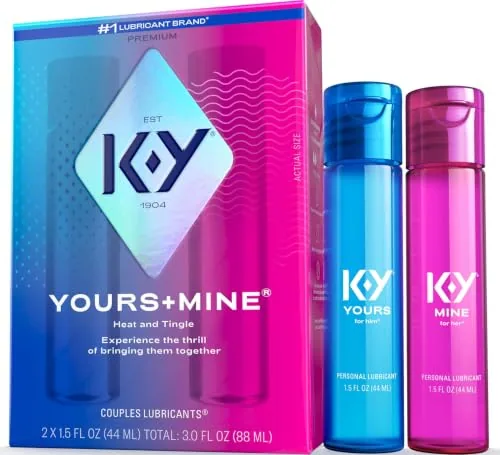
K-Y Yours & Mine Couples Lubricant, 2 x 1.5 oz
- Two sensorial formulas
- Tingling and warming
- Travel-size bottles
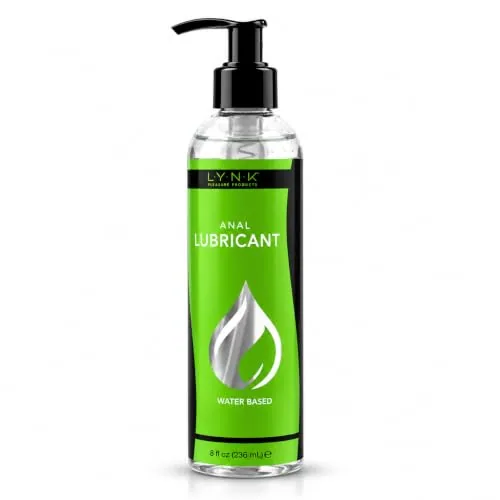
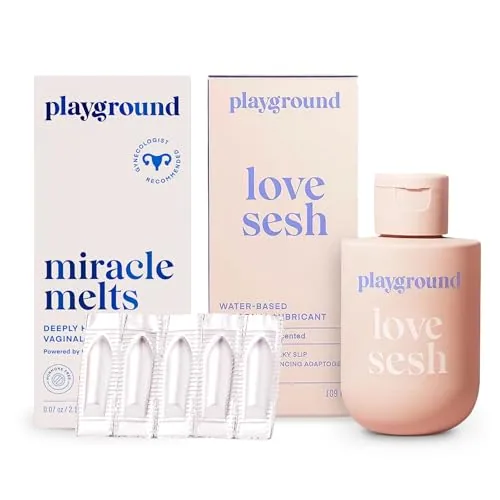
Playground Miracle Melts + Love Sesh Lube Bundle
- Moisturizer plus lube
- Hyaluronic acid
- Hormone-free melts
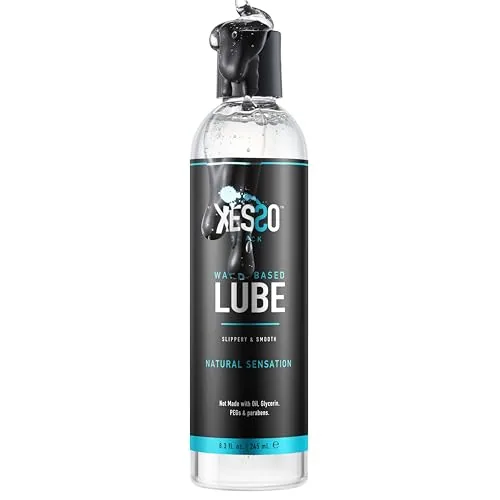
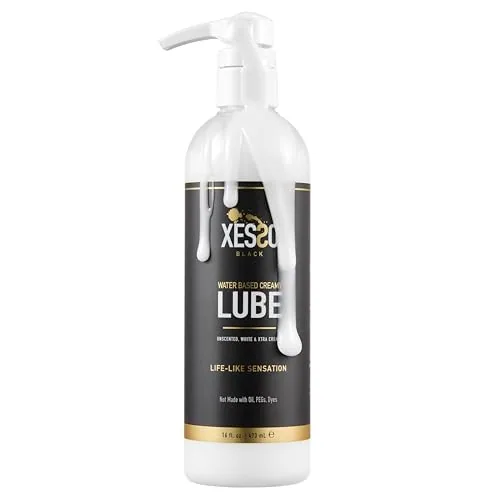
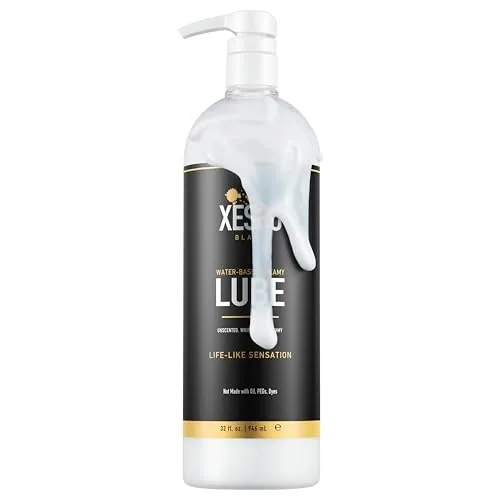
XESSO Water-Based Lube, 8.3 oz, Glycerin-Free
- Glycerin & paraben free
- Hypoallergenic
- Doubles as massage gel
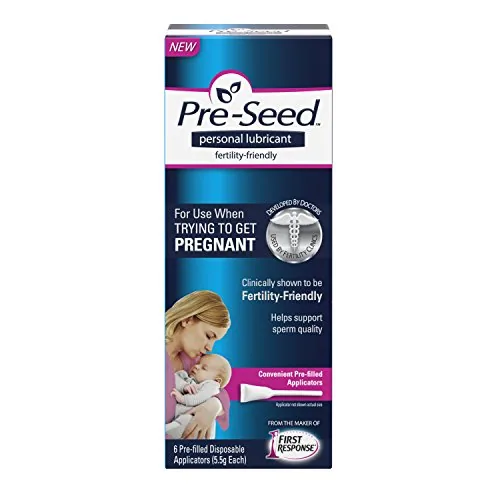
Pre-Seed Fertility-Friendly Lube Applicators
- Fertility-friendly
- Isotonic, pH balanced
- Prefilled applicators
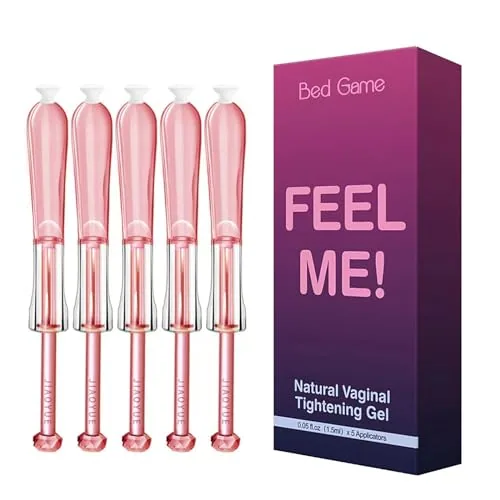
BED GAME Vaginal Moisturizer Gel, 5 Applicators
- 5 prefilled applicators
- Moisturizing gel
- Warming feel
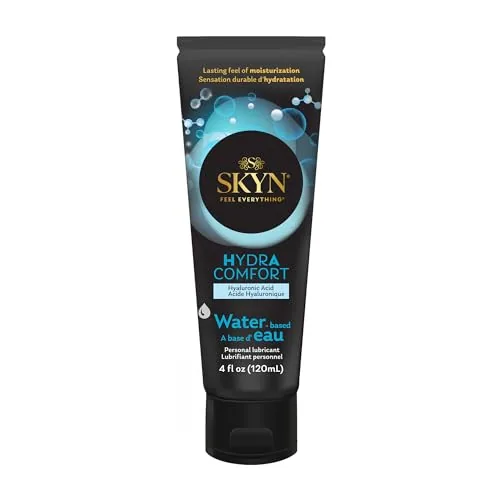
SKYN HydrAcomfort Hyaluronic Water-Based Lube, 4 oz
- Hyaluronic acid
- Non-staining
- Naturally derived, pH balanced
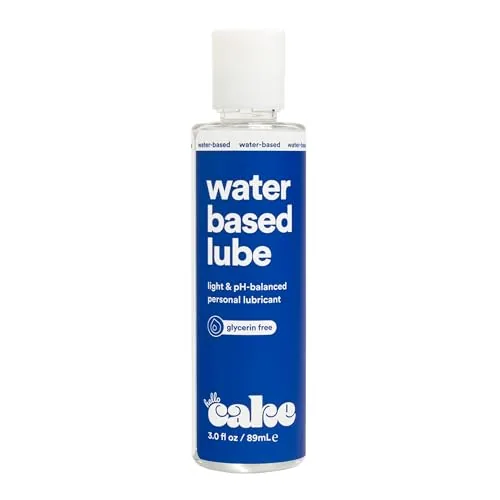
Hello Cake Toy Lube Water-Based, 3 oz
- Thick non-drip jelly
- Toy friendly
- Paraben & fragrance free
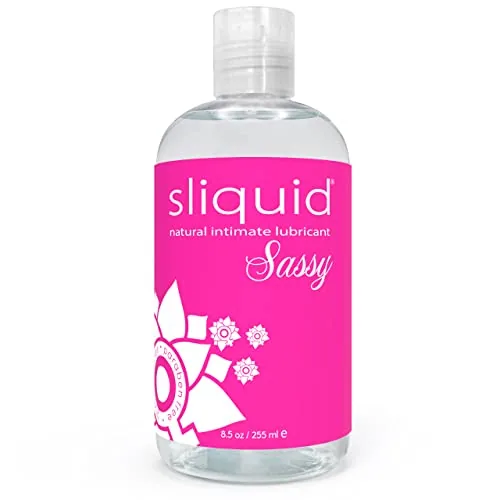
Sliquid Sassy Thick Water-Based Lube, 8.5 oz
- Thicker than H2O
- Flavor & fragrance free
- Long-lasting
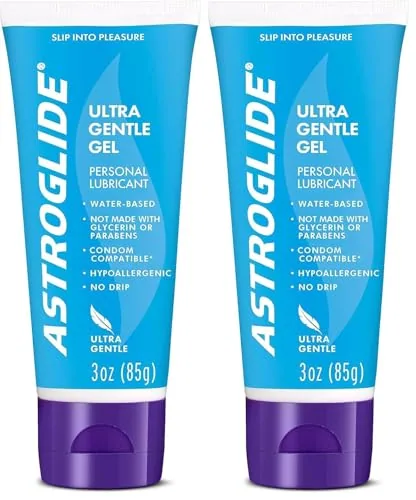
Astroglide Ultra Gentle Gel Lube, 3 oz (2-pack)
- No glycerin or parabens
- Hypoallergenic
- Two-pack
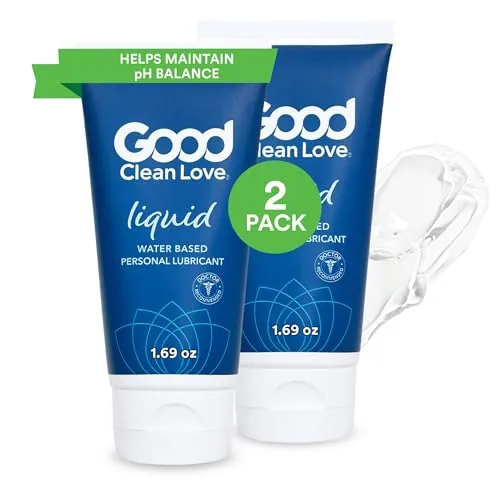
Good Clean Love Liquid Hyaluronic Lube, 1.69 oz (2-pack)
- Hyaluronic acid
- Fragrance free
- Two travel-size bottles
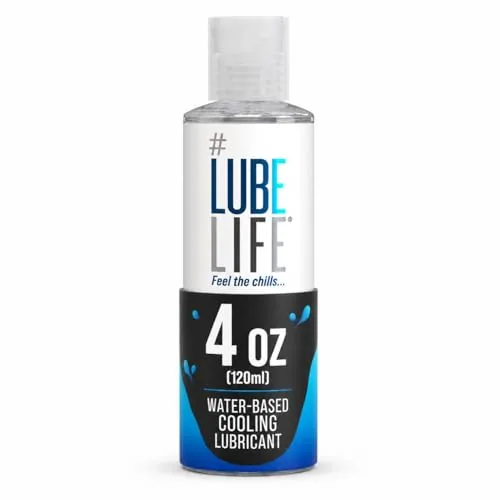
LubeLife Water Based Cooling Lube, 4 fl oz
- Cooling tingle
- Silky glide
- Toy and condom compatible
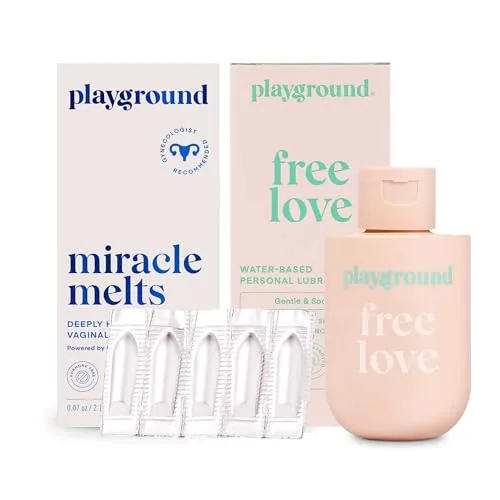
Playground Miracle Melts + Free Love Lube Bundle
- Moisturizer plus lube
- Hyaluronic acid
- Hormone-free melts
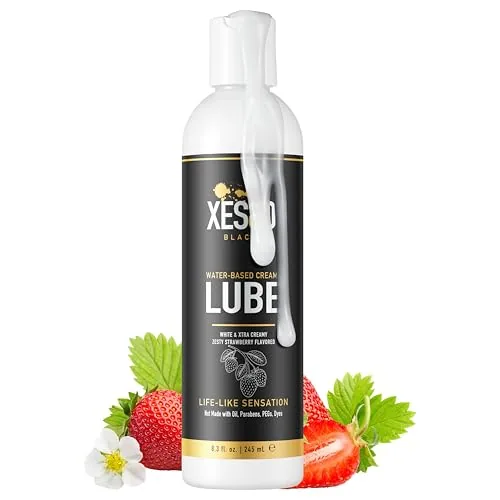
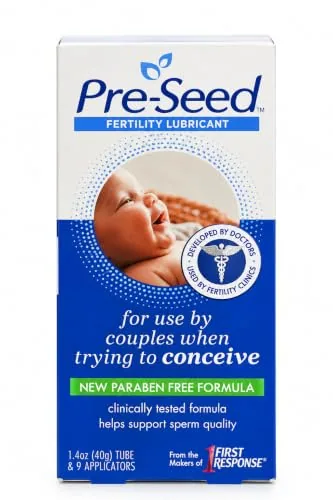
Pre-Seed Fertility-Friendly Lube, 9 ct, 2-Pack
- Fertility-friendly
- Isotonic, pH balanced
- Prefilled applicators
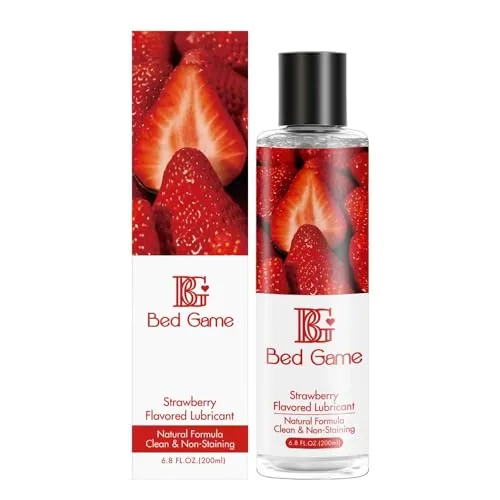
BED GAME Strawberry Flavored Water-Based Lube
- Strawberry flavor
- pH balanced
- Long-lasting glide
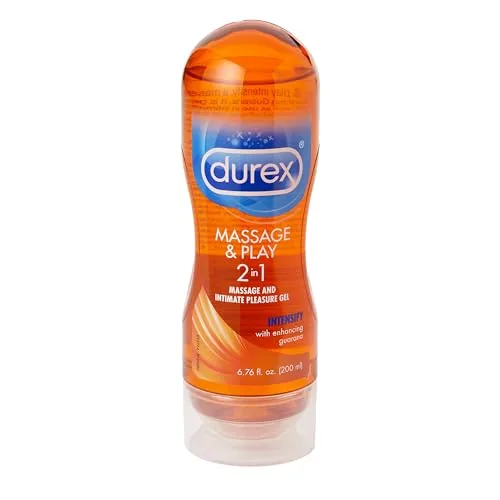
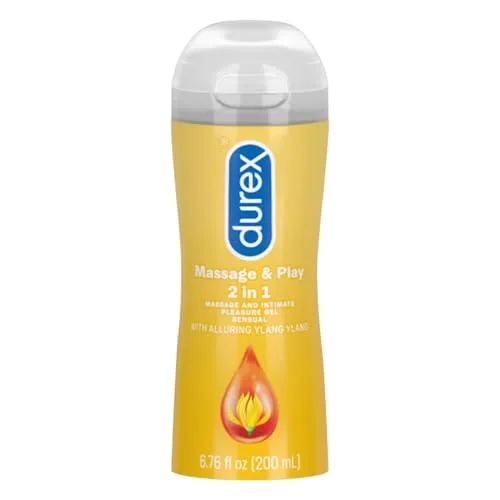
Durex Massage & Play 2-in-1 Intensify, 6.76 oz
- 2-in-1 massage and lube
- Non-staining
- Non-greasy feel
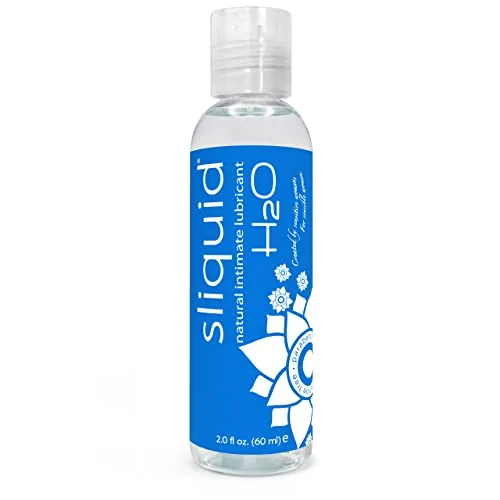
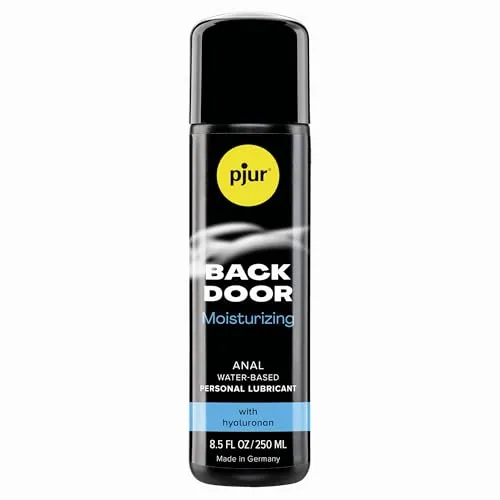
pjur Back Door Hyaluron Water-Based Lube, 8.5 oz
- Contains hyaluron
- Long-lasting glide
- Toy & condom safe
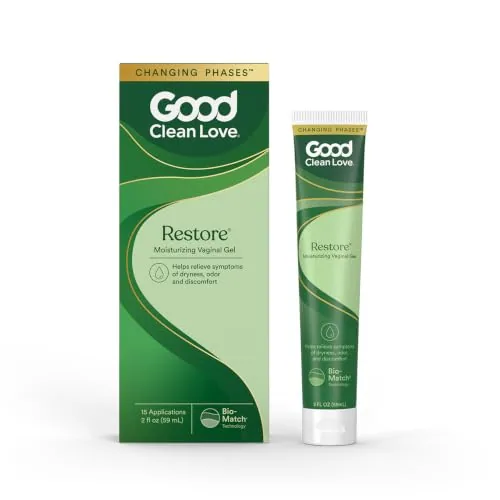
Good Clean Love Restore Moisturizing Gel, 2 oz
- Aloe vera & lactic acid
- pH balanced
- Glycerin & paraben free
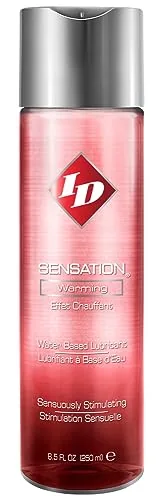
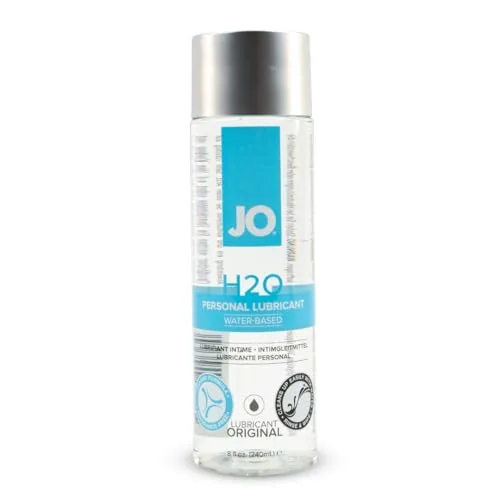
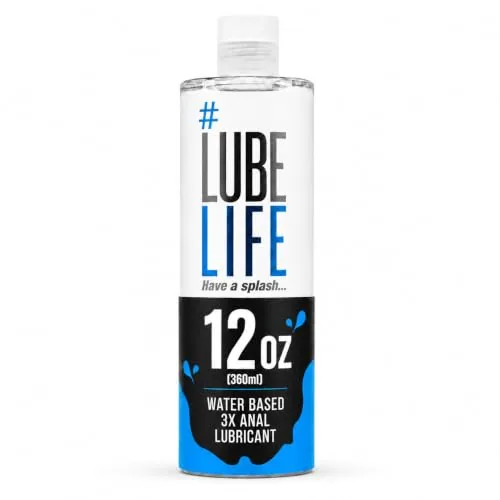
LubeLife 3X Water Based Anal Lube, 12 fl oz
- 3x thicker than original
- Extra cushioned glide
- Toy and condom compatible
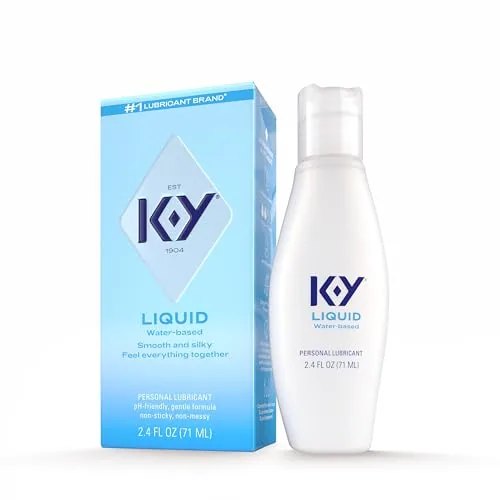
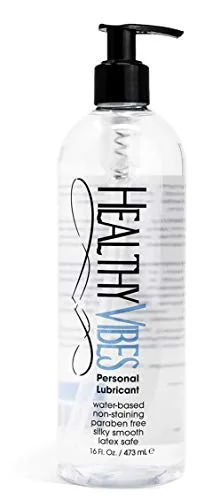
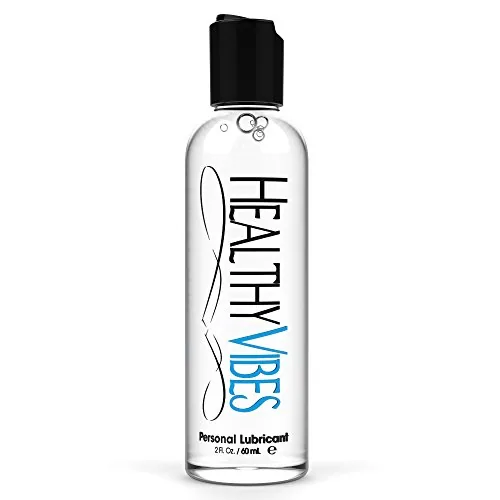
Healthy Vibes Water-Based Hand Pump Lube, 16 oz
- Hand pump bottle
- Latex and silicone safe
- Easy clean-up
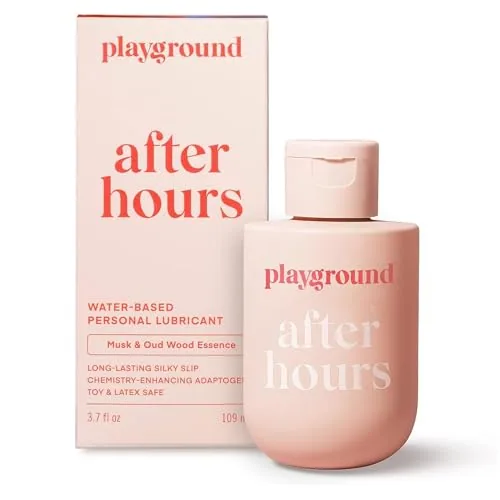
Playground After Hours Natural Water-Based Lube
- Vegan formula
- Hyaluronic acid + vitamin E
- Condom and toy safe

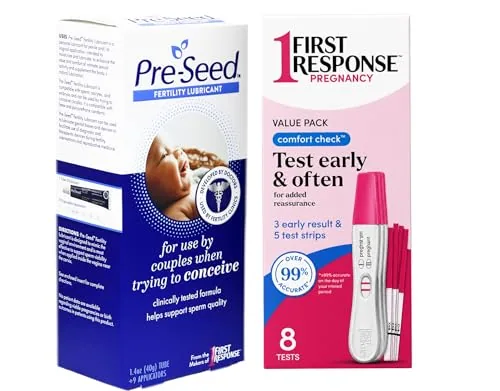
Pre-Seed Lube + Pregnancy Test Value Pack
- Fertility-friendly
- Isotonic, pH balanced
- Prefilled applicators
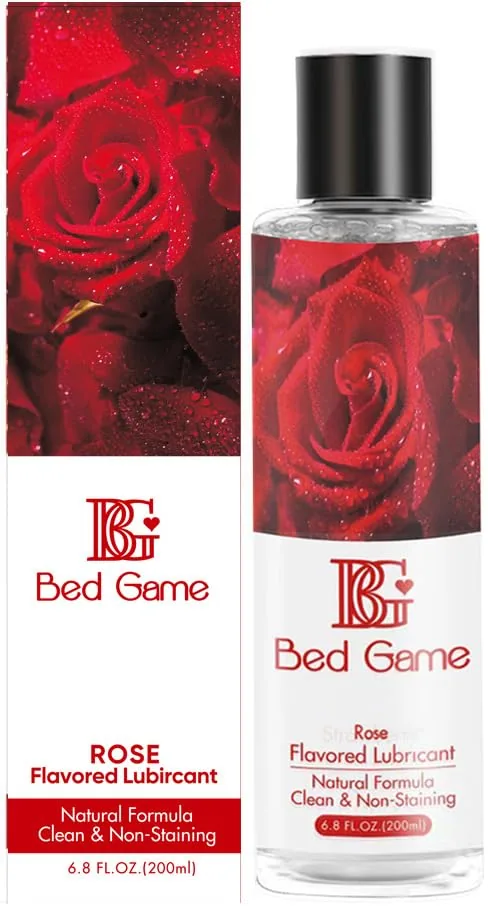
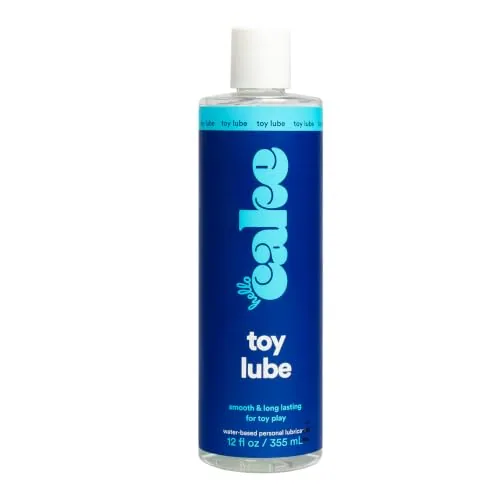
Hello Cake Toy Lube Water-Based, 12 oz
- Thick non-drip jelly
- Toy friendly
- Paraben & fragrance free
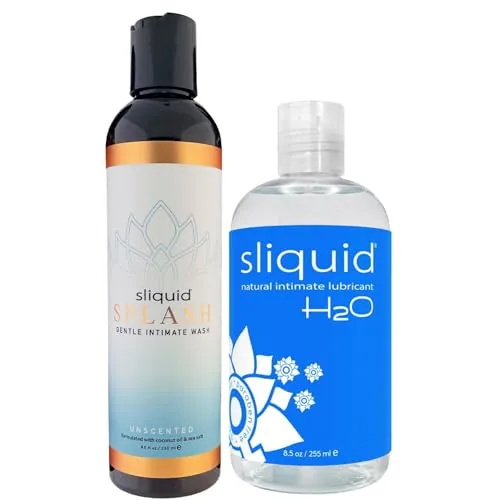
Sliquid H2O Lube + Balance Splash Wash, 2-piece
- Lube plus gentle wash
- Unscented
- Glycerin free lube
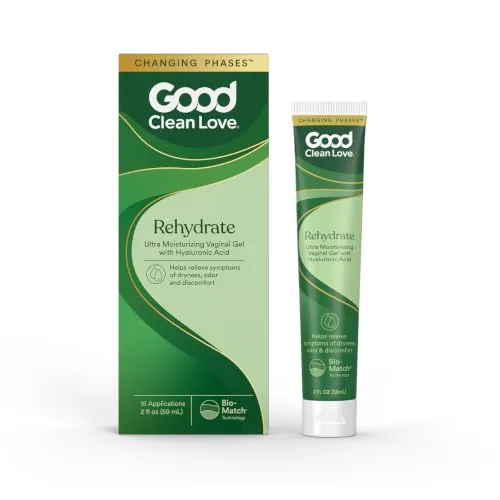
Good Clean Love Rehydrate Hyaluronic Gel, 2 oz
- Hyaluronic acid
- Long-lasting relief
- Glycerin & paraben free
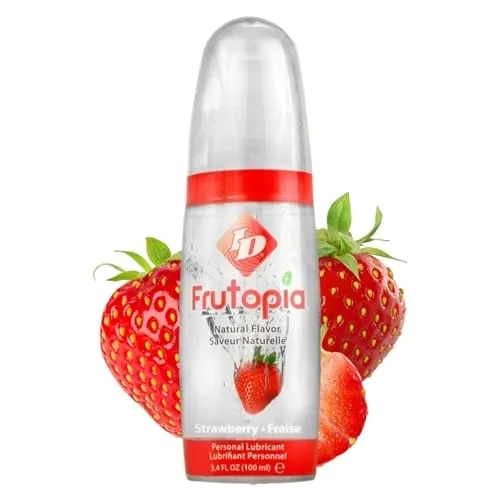
ID Frutopia Strawberry Flavored, 3.4 oz
- Fruit-flavored
- Water-based formula
- Condom compatible
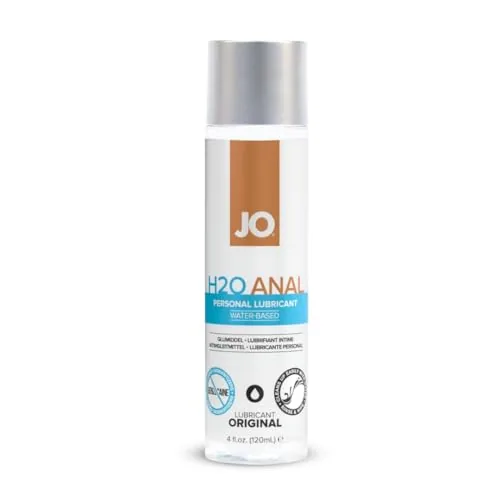
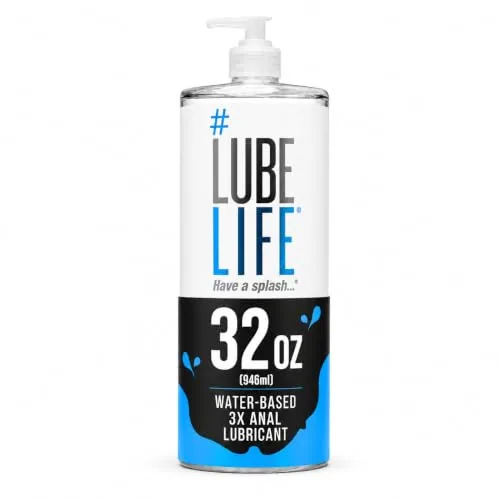
LubeLife 3X Water Based Anal Lube, 32 fl oz
- 3x thicker than original
- Extra cushioned glide
- Toy and condom compatible
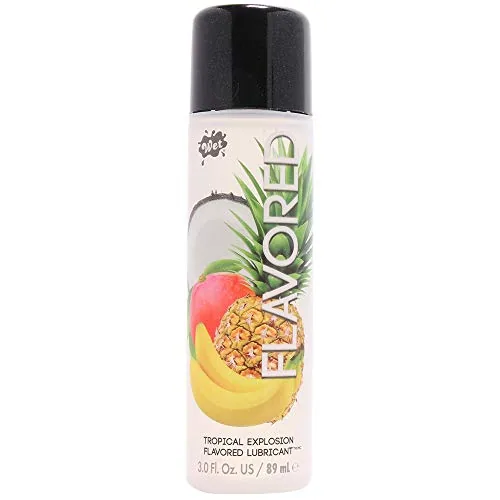
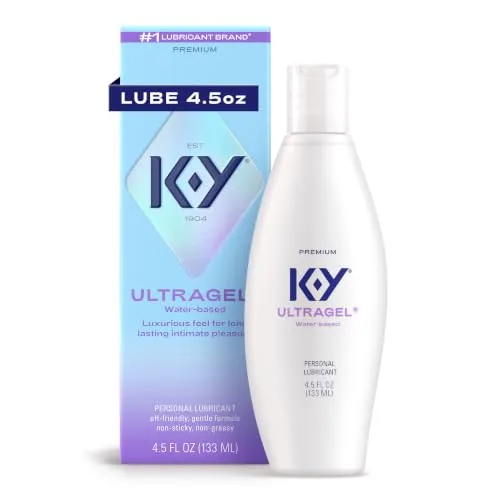
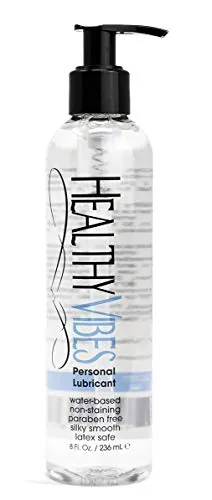
Healthy Vibes Water-Based Hand Pump Lube, 8 oz
- Hand pump bottle
- Latex and silicone safe
- Easy clean-up
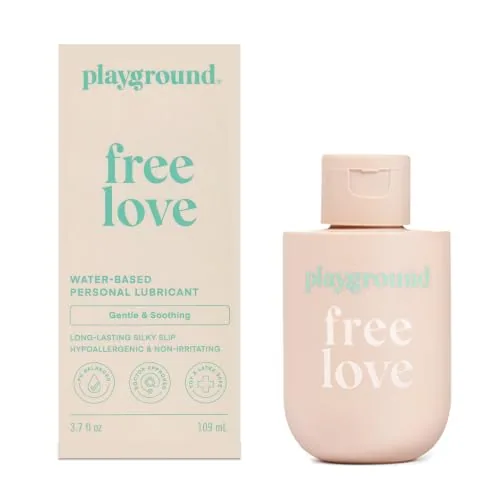
Playground Free Love Natural Water-Based Lube
- Vegan formula
- Hyaluronic acid + vitamin E
- Condom and toy safe
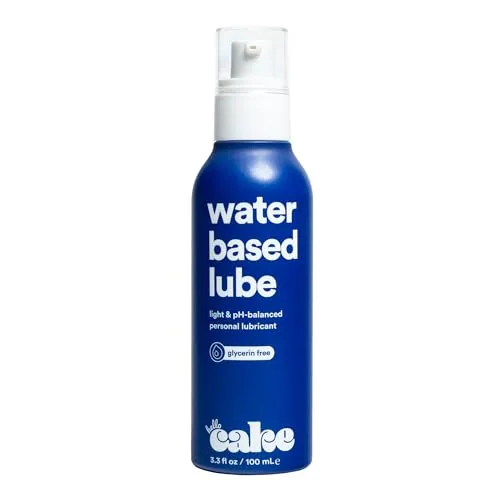
Hello Cake Toy Lube Water-Based, 3.3 oz
- Thick non-drip jelly
- Toy friendly
- Paraben & fragrance free
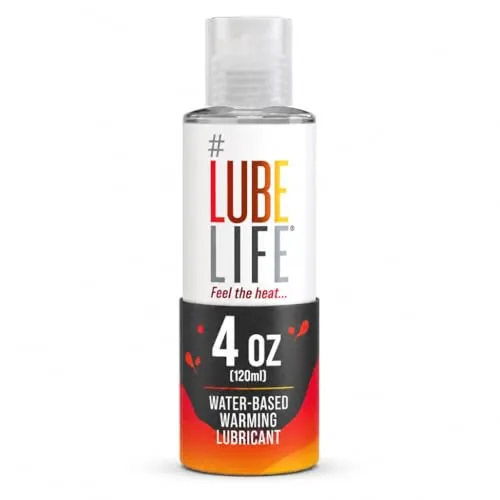
LubeLife Water Based Warming Lube, 4 fl oz
- Subtle warming feel
- Silky glide
- Toy and condom compatible
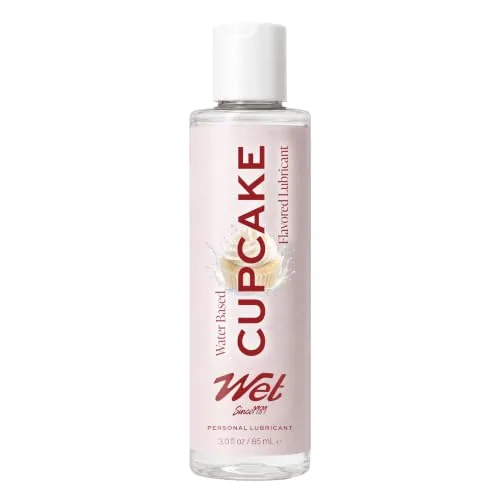
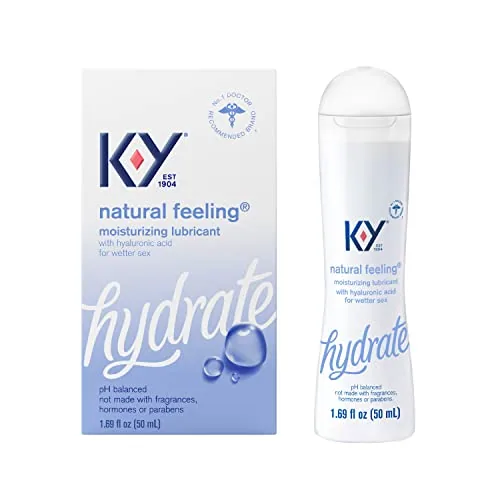
K-Y Natural Feeling Hyaluronic Lube, 1.69 oz
- Hyaluronic acid
- No hormones or parabens
- Travel-friendly size
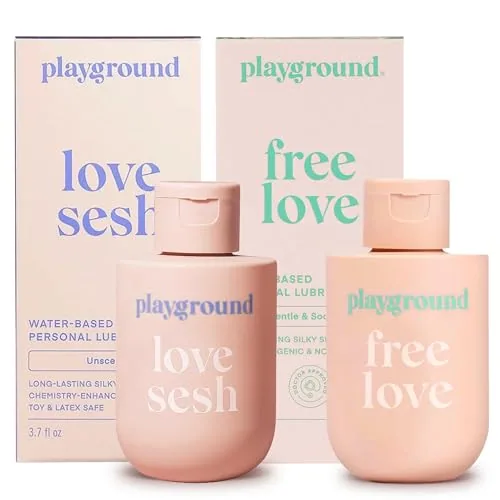
Playground Free Love & Love Sesh Lube Bundle, 3.7 oz each
- Two 3.7 oz bottles
- Natural ingredients
- Latex safe
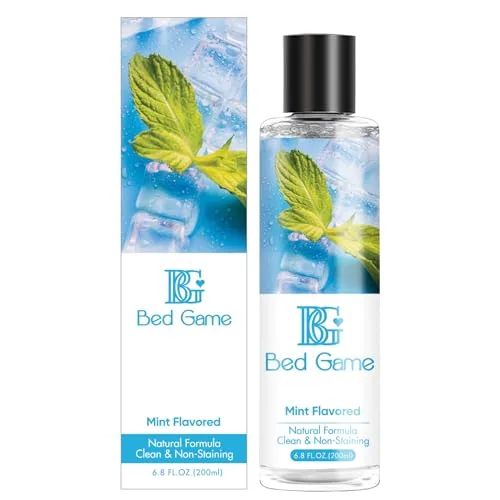
BED GAME Mint Flavored Water-Based Lube, 6.8 oz
- Cooling mint flavor
- Non-staining
- 6.8 oz bottle
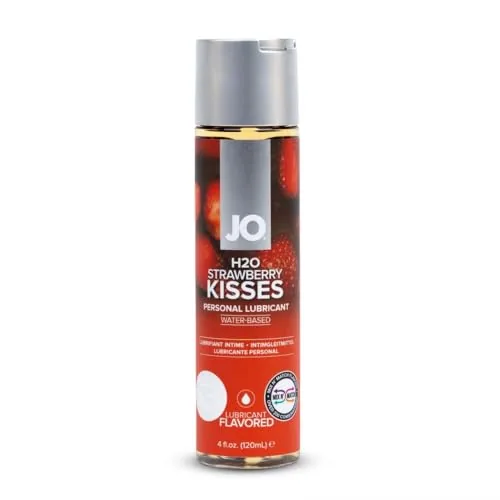
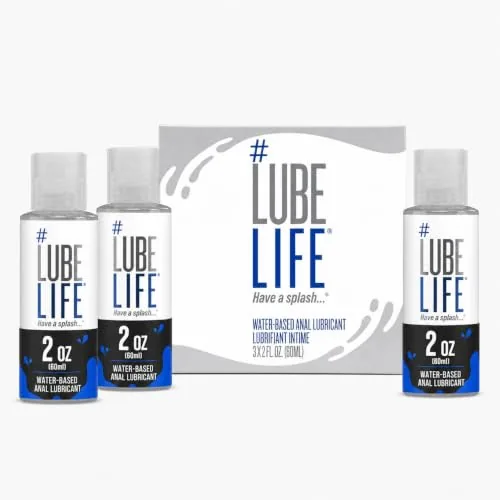
LubeLife Water Based Anal Lube, 3 x 2 fl oz
- Buttery smooth texture
- Toy and condom compatible
- Non-sticky cleanup
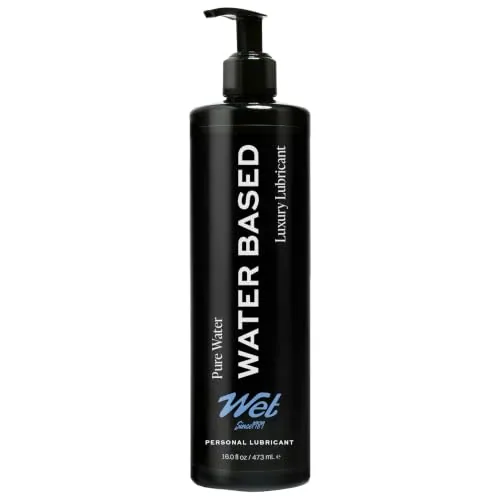
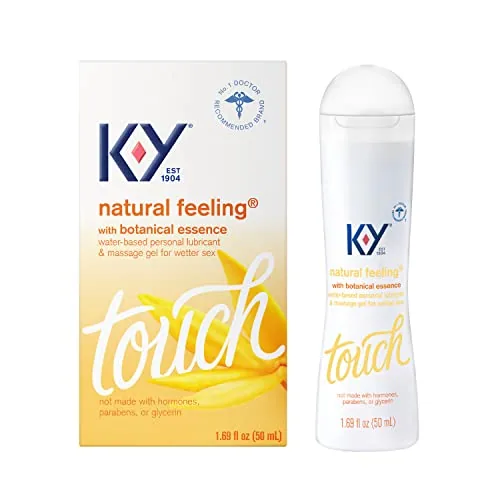
K-Y Natural Feeling Botanical Essence Lube & Massage Gel
- Lube and massage gel
- Botanical essence
- Toy and condom safe
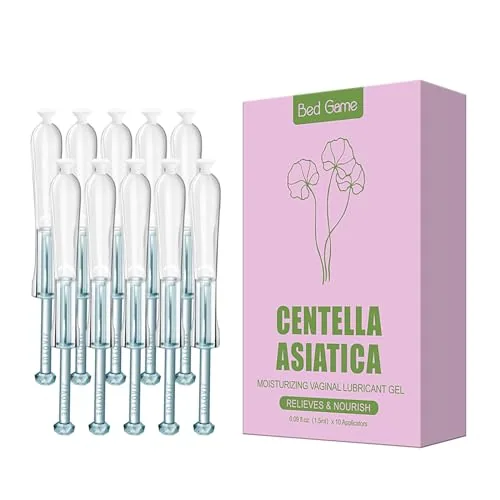
BED GAME Vaginal Moisturizer Lube Injector
- Prefilled disposable applicators
- Eases dryness
- Easy application
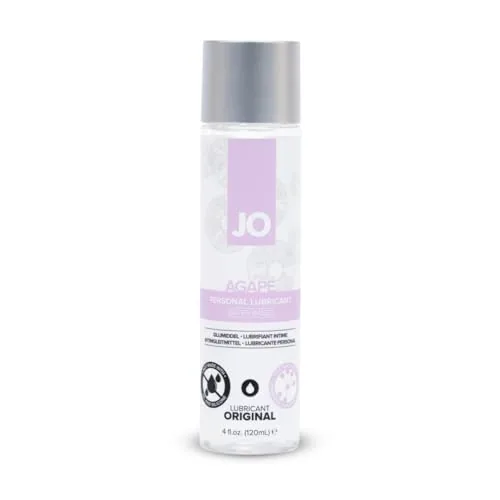
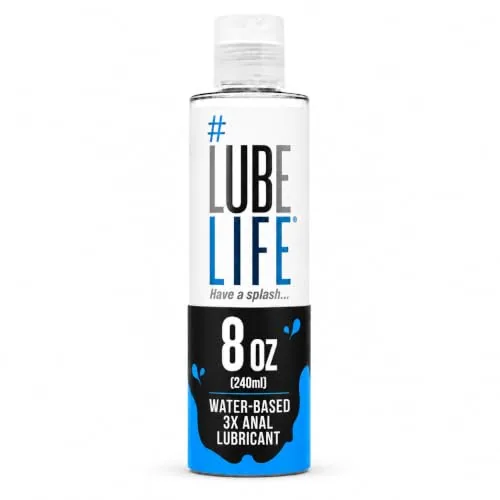
LubeLife 3X Water Based Anal Lube, 8 oz
- 3x thicker than original
- Extra cushioned glide
- Toy and condom compatible
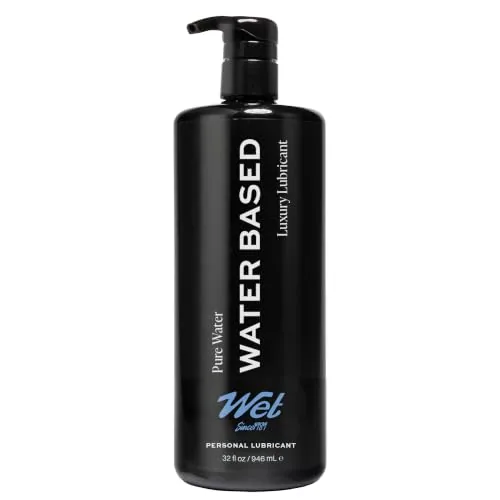
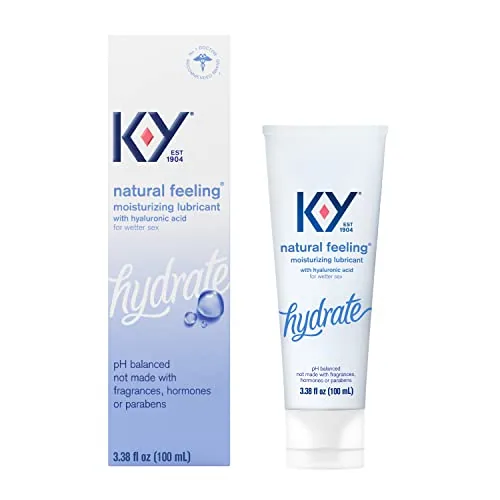
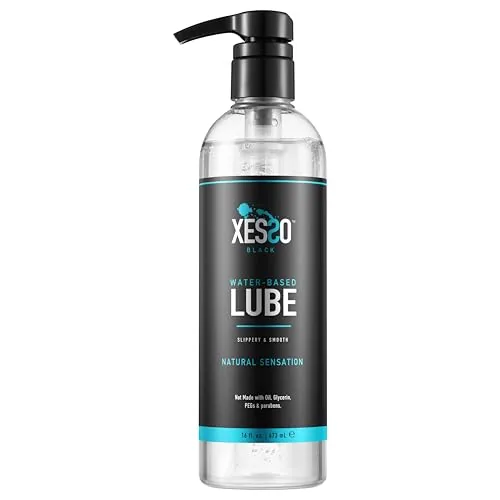
XESSO Water-Based Lube, 16 oz, Glycerin-Free
- Glycerin & paraben free
- Hypoallergenic
- Doubles as massage gel
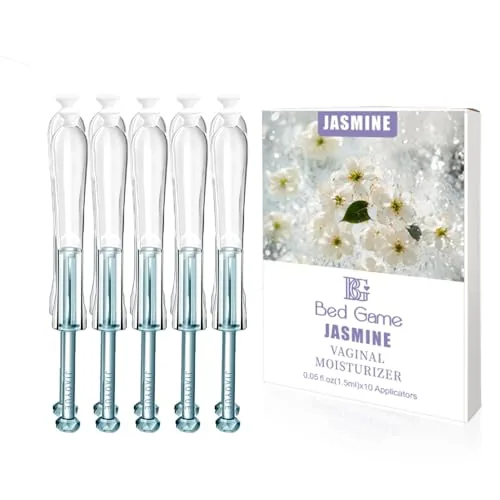
BED GAME Jasmine Vaginal Moisturizer Applicators
- Jasmine scent
- Prefilled injectors
- Long-lasting hydration
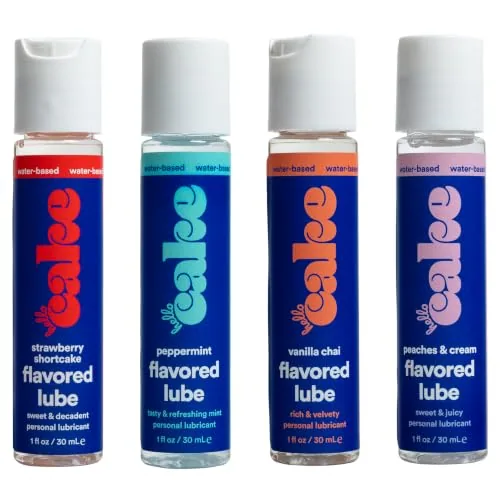
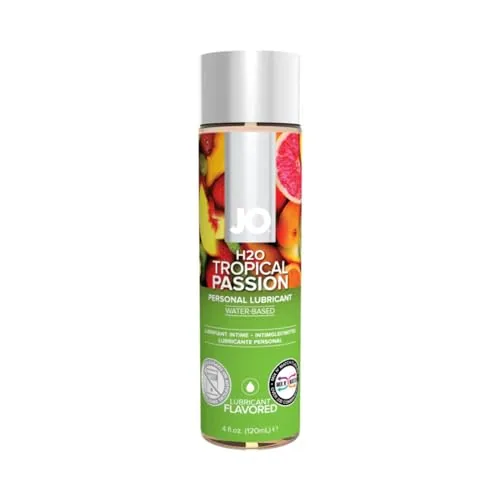
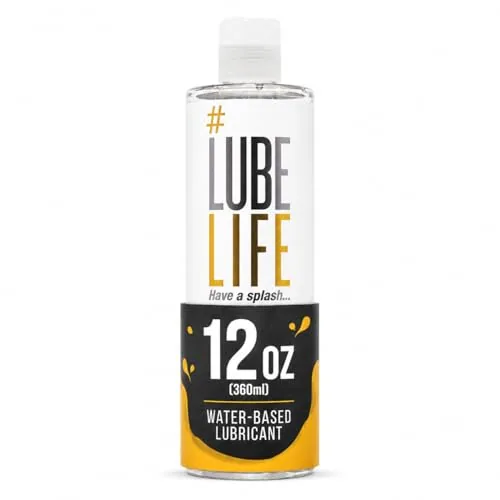
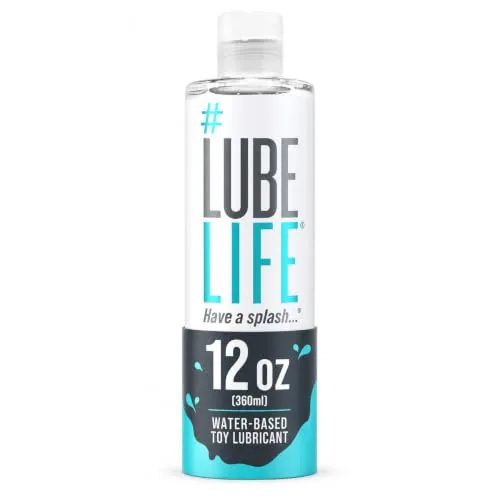
LubeLife Water Based Lube, 12 fl oz
- Non-staining formula
- Condom and toy compatible
- Easy water cleanup
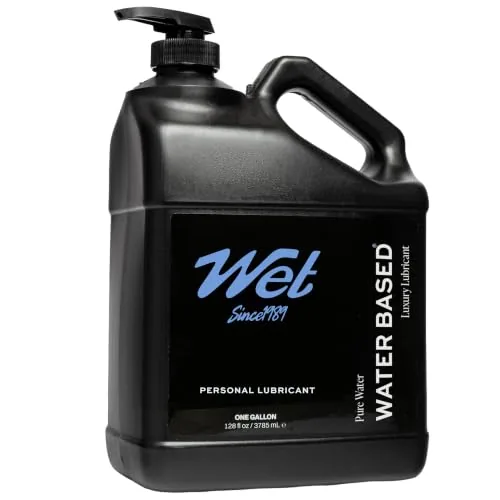
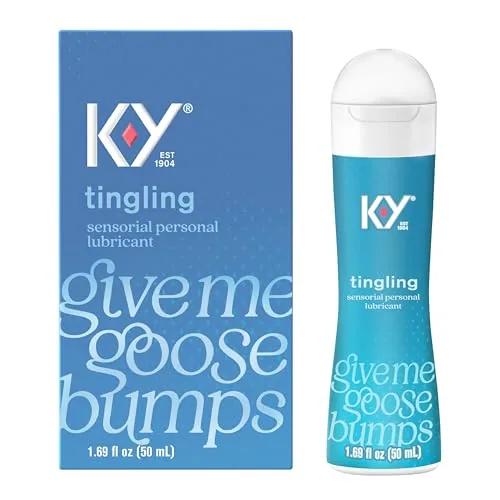
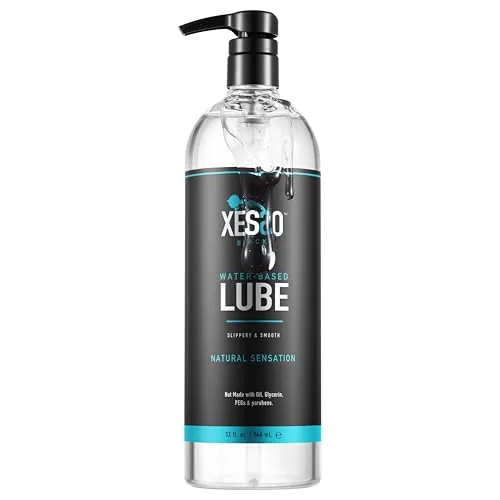
XESSO Water-Based Lube, 32 oz, Glycerin-Free
- Glycerin & paraben free
- Hypoallergenic
- Doubles as massage gel
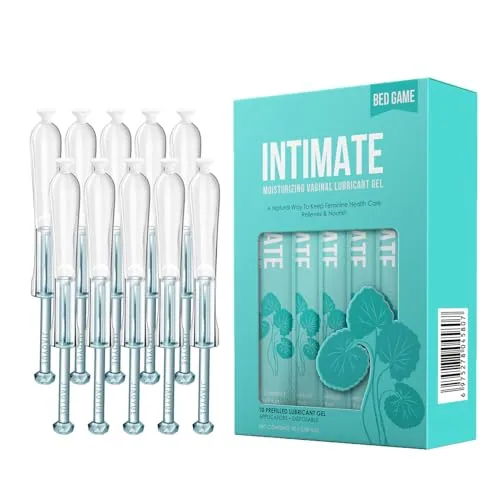
BED GAME Moisturizer & Lube Applicators, 10 ct
- 10 prefilled applicators
- Hydrating gel
- Disposable and discreet
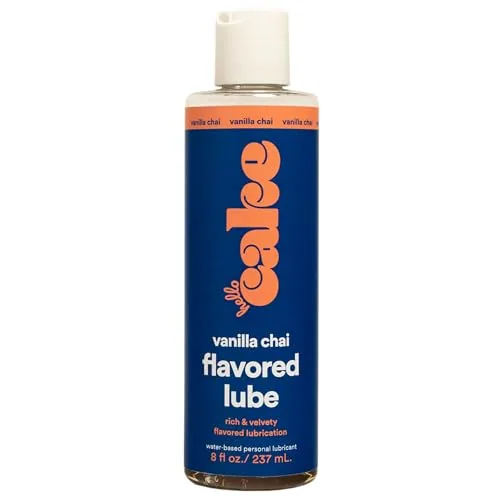
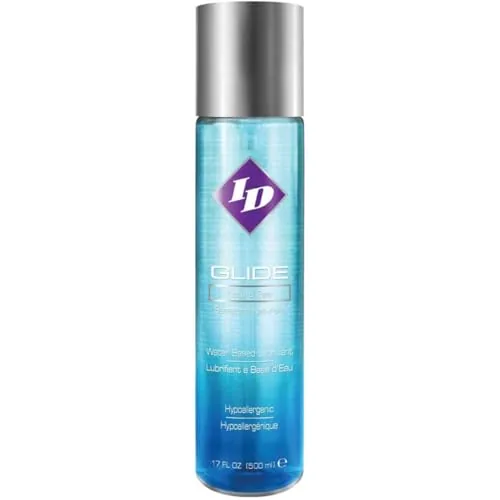
LubeLife Water Based Gel Lube, 4 fl oz
- Non-drip jelly texture
- Extra cushioning
- Toy and condom compatible
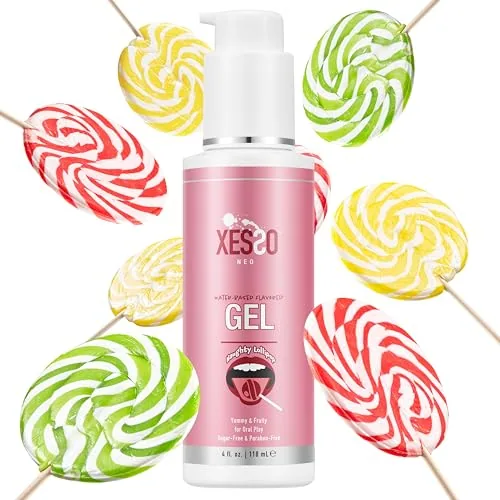
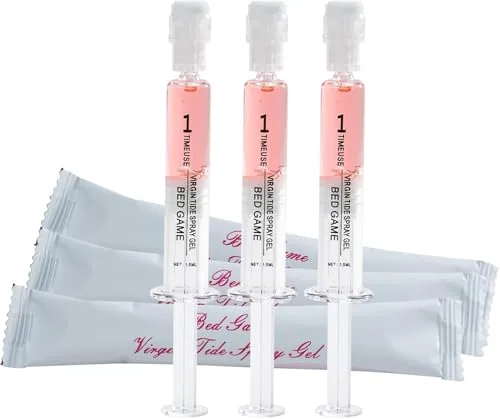
BED GAME Vagina Moisturizer Gel Water-Based Lube
- Water-based formula
- Moisturizing gel
- Warming feel
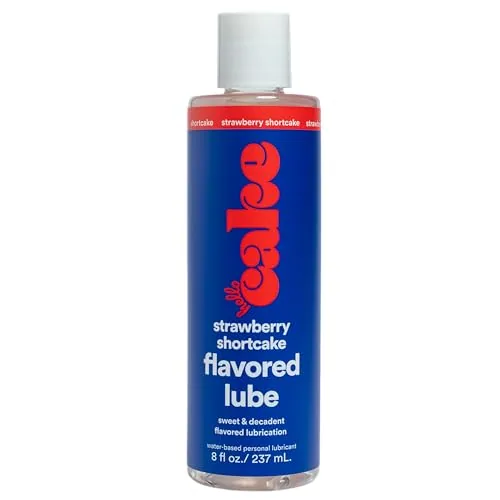
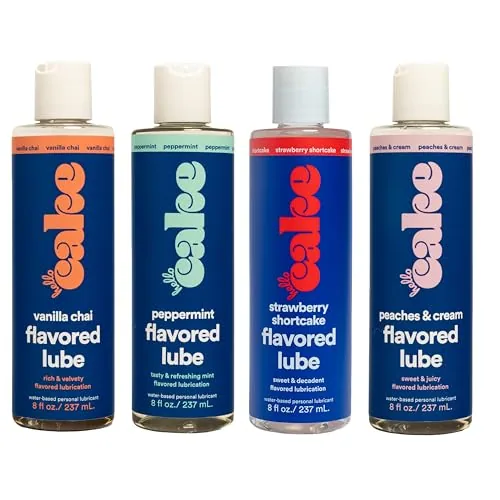
Hello Cake Strawberry Shortcake Flavored Lube, 8 oz
- Sugar-free & vegan
- Water-based
- Easy clean-up
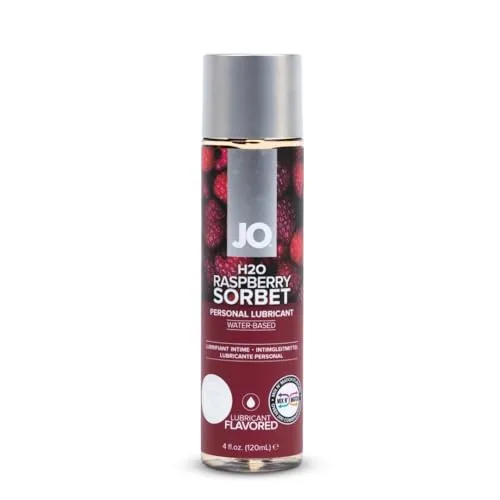
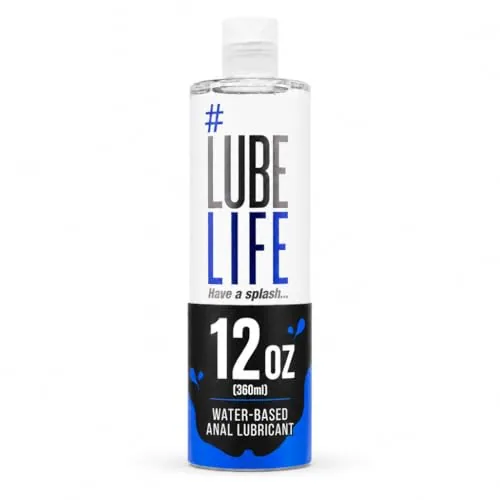
LubeLife Water Based Anal Lube, Ingestion-Safe, Large
- Buttery smooth texture
- Toy and condom compatible
- Non-sticky cleanup
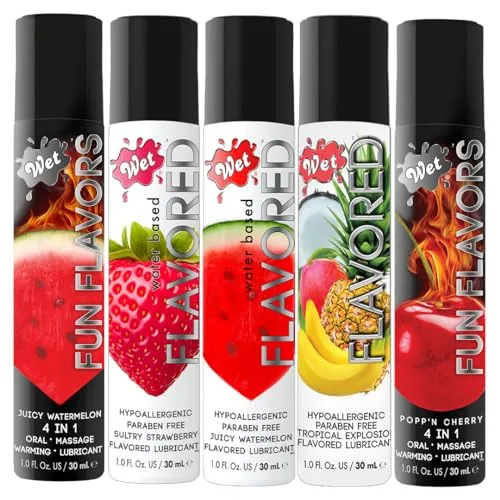
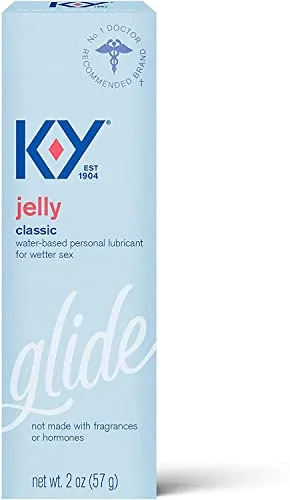
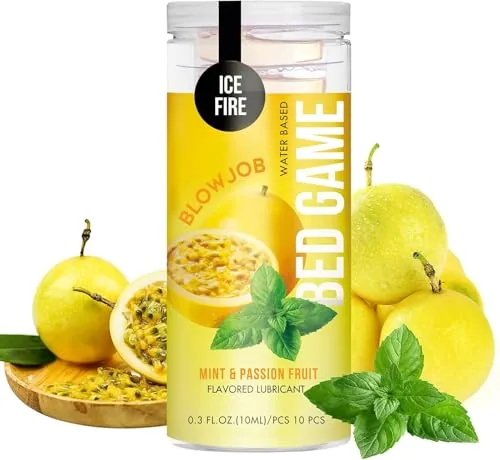
BED GAME Flavored Oral Lube Sachets, 10 Pack
- Passion fruit & mint
- Single-use sachets
- No-rinse gel
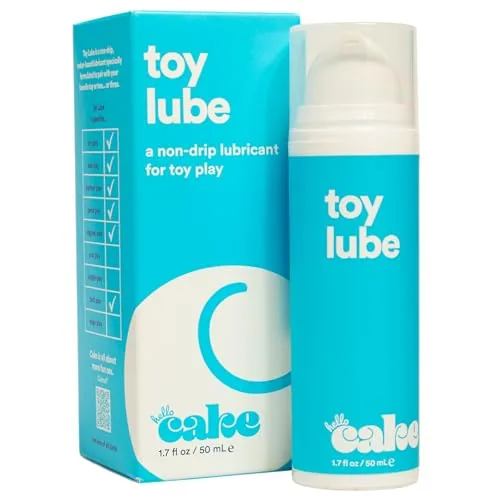
Hello Cake Toy Lube Water-Based, 1.7 oz
- Thick non-drip jelly
- Toy friendly
- Paraben & fragrance free
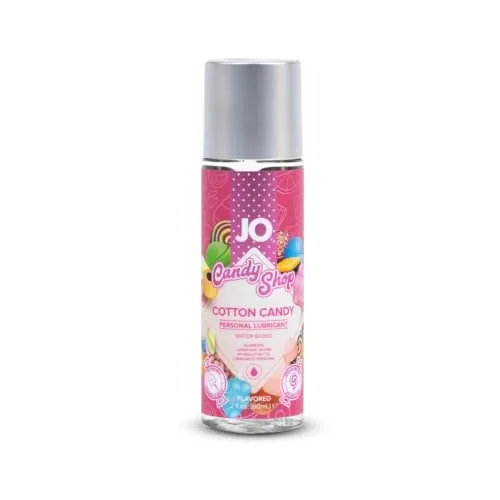
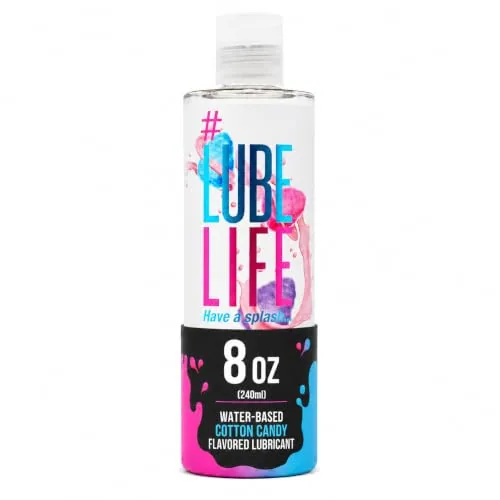
LubeLife Cotton Candy Flavored Lube, 8 fl oz
- Sugar-free flavor
- Water-based and silky
- Condom compatible
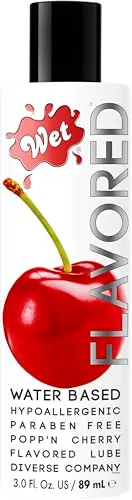
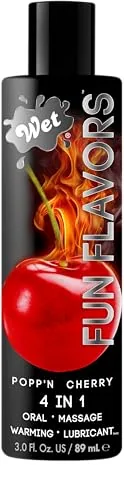
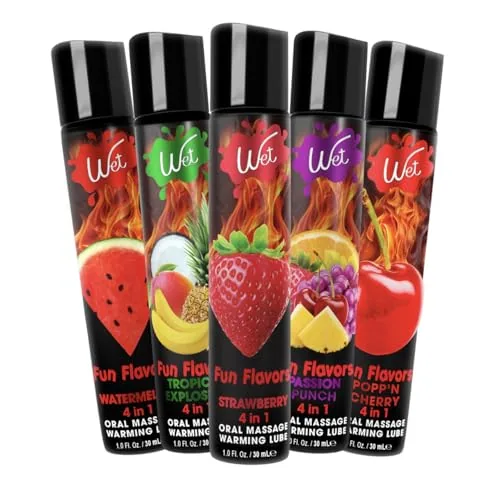
Wet Popp'n Cherry 4-in-1 Warming Flavored Lube, 3 oz
- Warming sensation
- Sugar-free flavor
- Lube and massage lotion
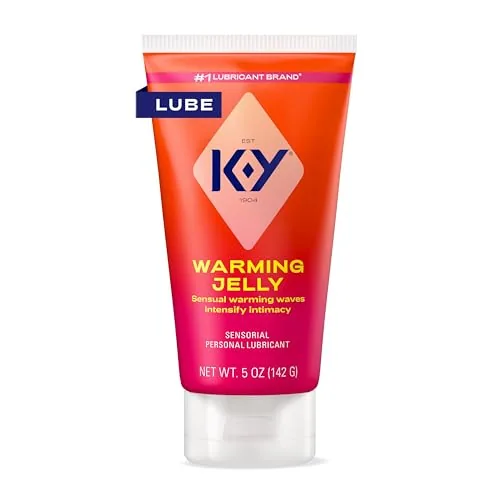
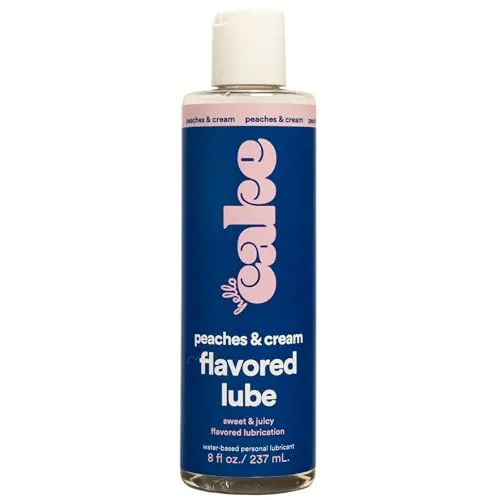
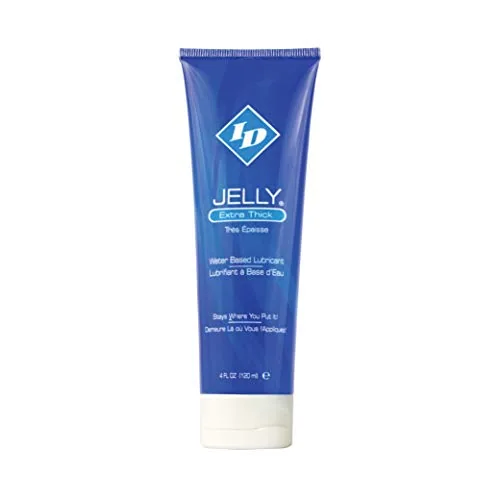
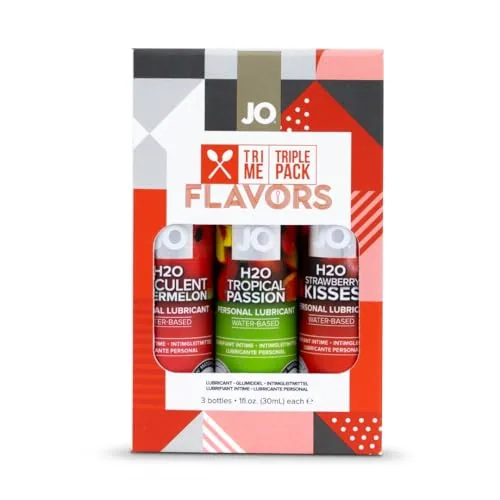
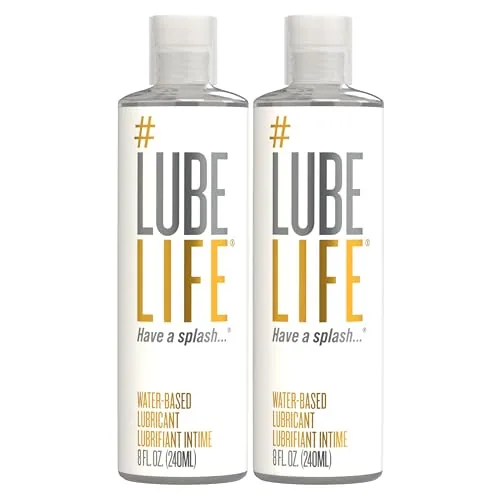
LubeLife Water Based Lube, 2 x 8 fl oz
- Non-staining formula
- Condom and toy compatible
- Easy water cleanup
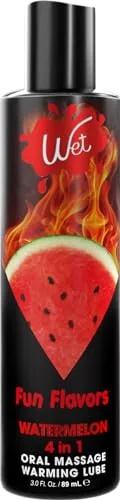
Wet Juicy Watermelon 4-in-1 Warming Lube, 3 fl oz
- Warming sensation
- Sugar-free flavor
- Lube and massage lotion
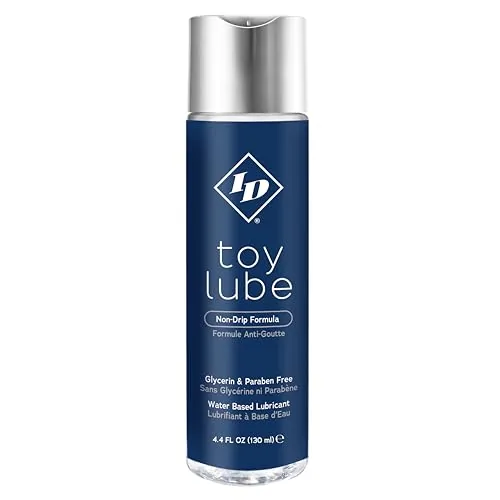
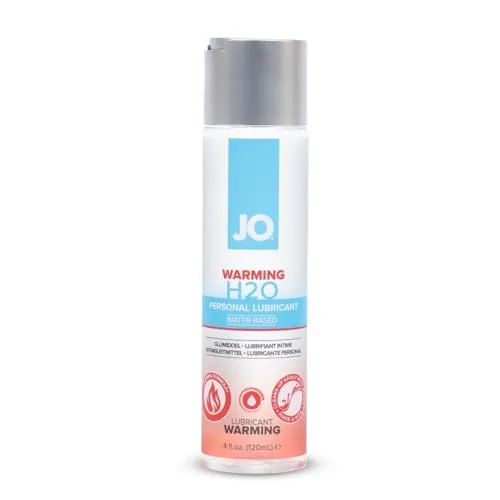
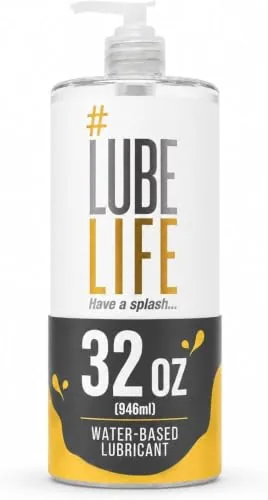
LubeLife Water Based Lube, 32 fl oz
- Non-staining formula
- Condom and toy compatible
- Easy water cleanup
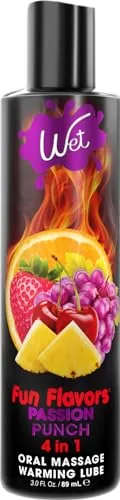
Wet Passion Punch 4-in-1 Warming Lube, 3 fl oz
- Warming sensation
- Sugar-free flavor
- Lube and massage lotion
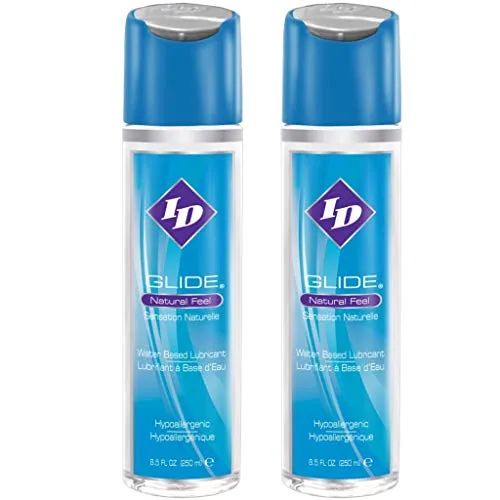
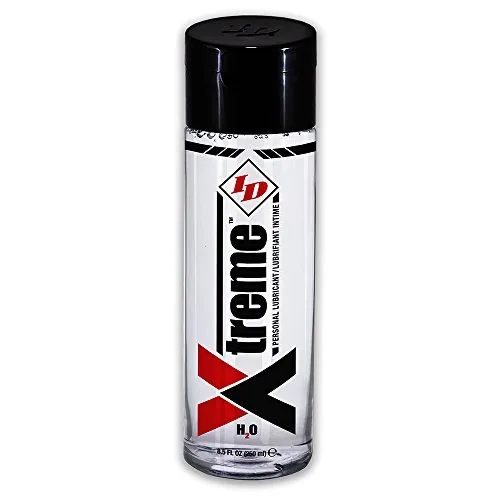
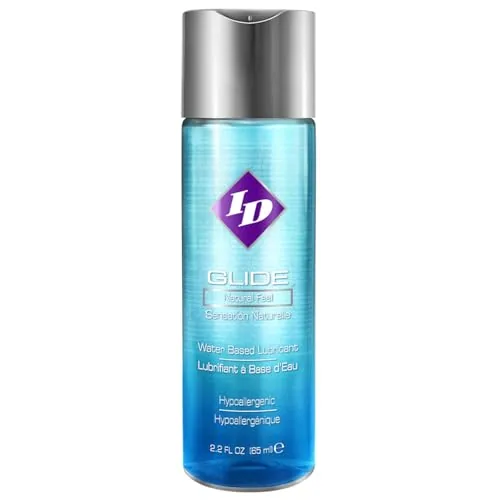
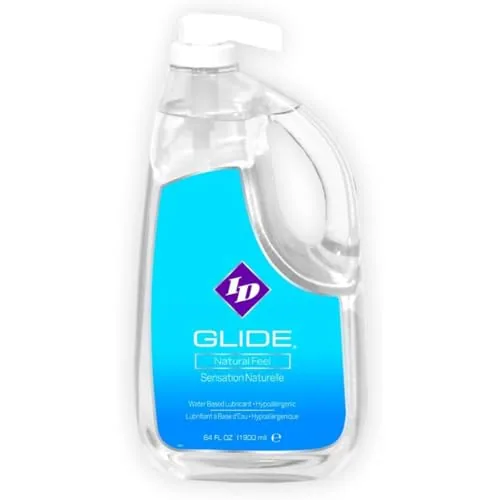
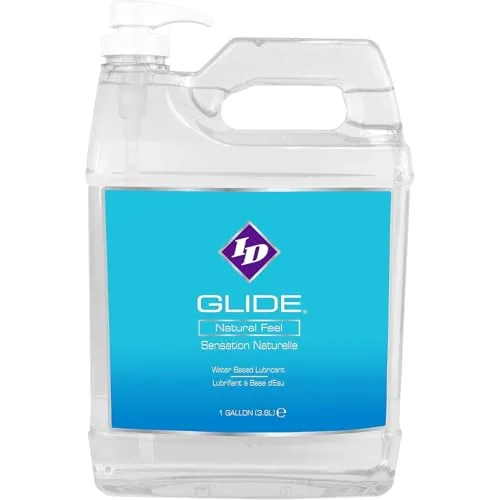
ID Glide, 8.5 oz (2-pack)
- Natural-feel water base
- Condom and toy friendly
- Rinses off with water
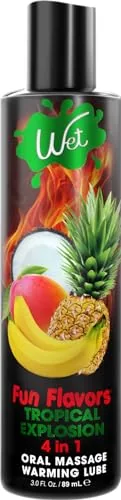
Wet Tropical Explosion Warming Flavored Lube, 3 fl oz
- Warming sensation
- Sugar-free flavor
- Lube and massage lotion
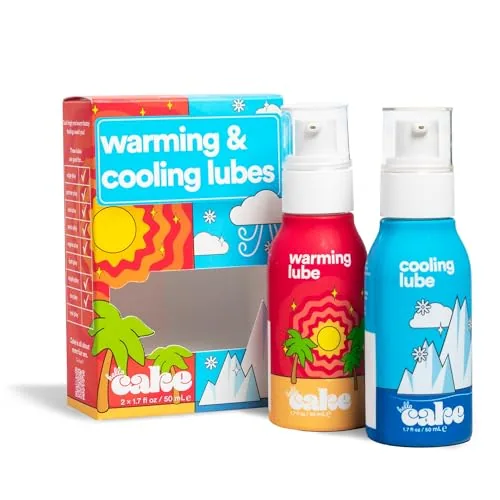
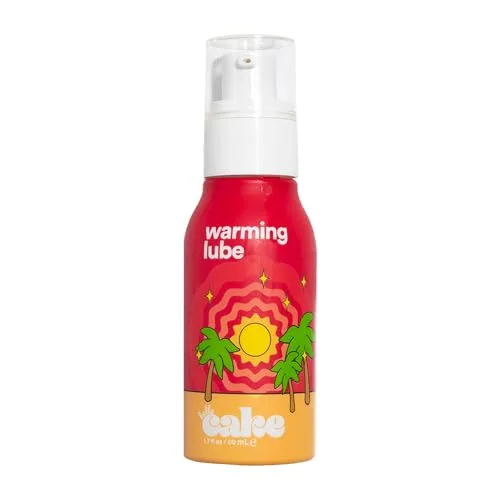
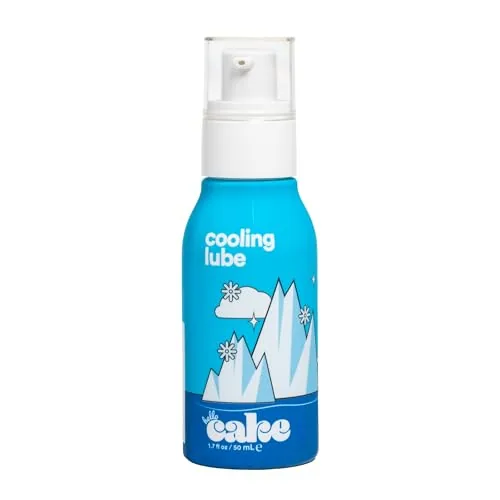
Hello Cake Warming & Cooling Lubes, 2 x 1.7 oz
- Warming plus cooling
- Water-based
- Condom compatible
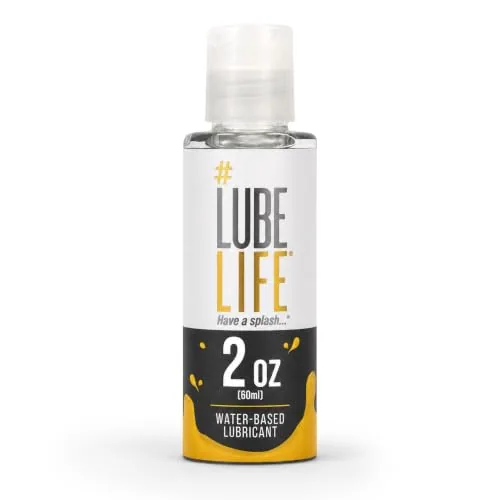
LubeLife Water Based Lube, 2 fl oz
- Non-staining formula
- Condom and toy compatible
- Easy water cleanup
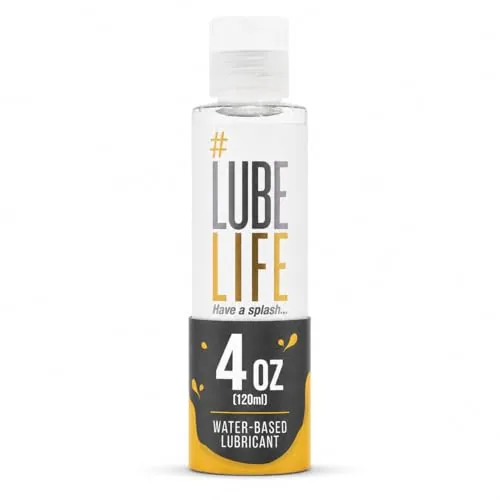
LubeLife Water Based Lube, 4 oz
- Non-staining formula
- Condom and toy compatible
- Easy water cleanup
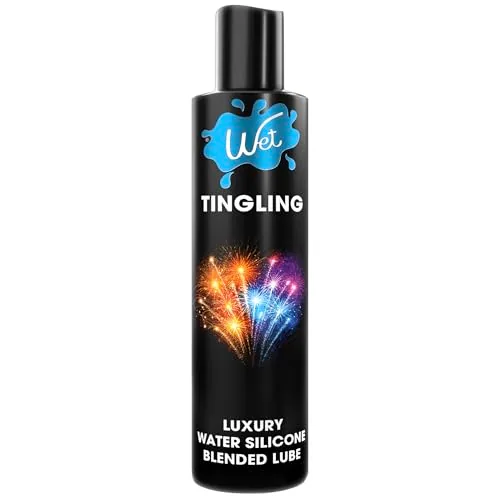
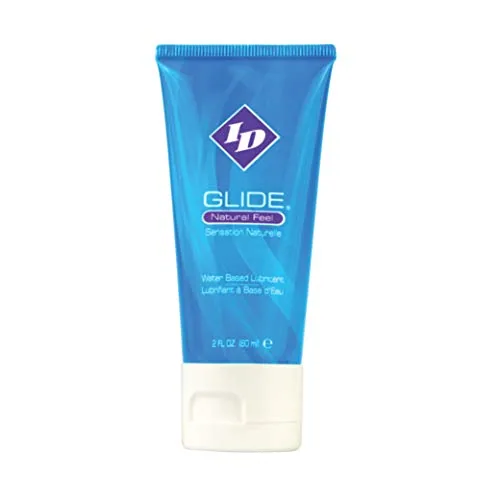
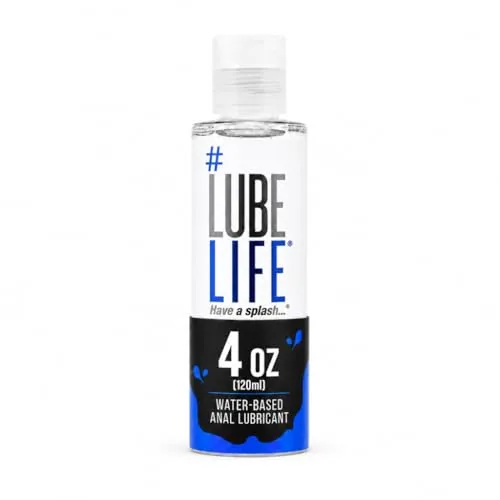
LubeLife Water Based Anal Lube, 4 fl oz
- Buttery smooth texture
- Toy and condom compatible
- Non-sticky cleanup
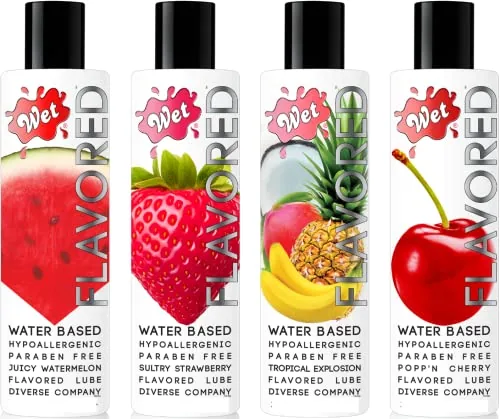
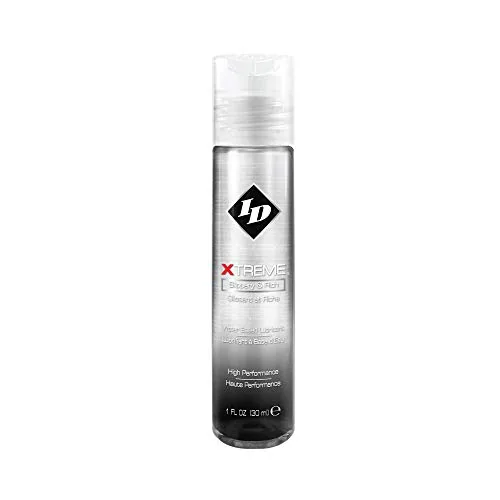
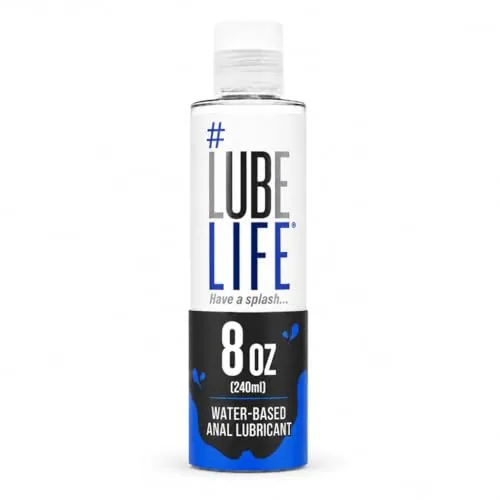
LubeLife Water Based Anal Lube, 8 fl oz
- Buttery smooth texture
- Toy and condom compatible
- Non-sticky cleanup
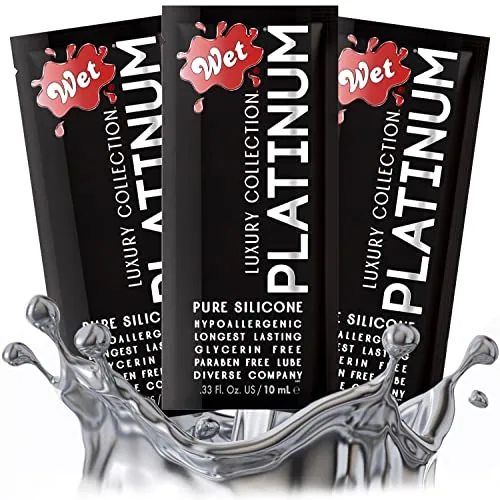
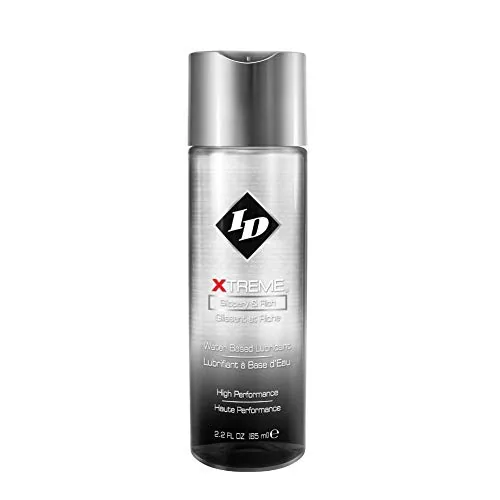
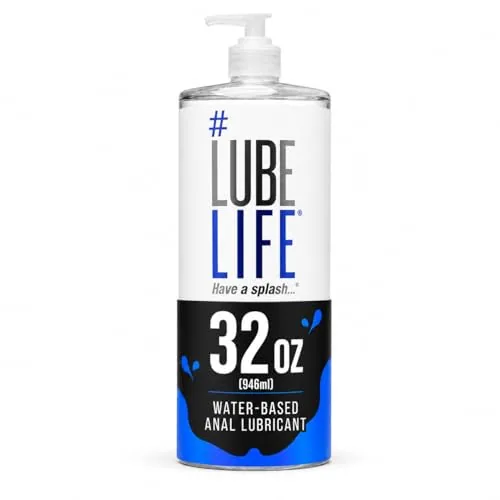
LubeLife Water Based Anal Lube, 32 fl oz
- Buttery smooth texture
- Toy and condom compatible
- Non-sticky cleanup
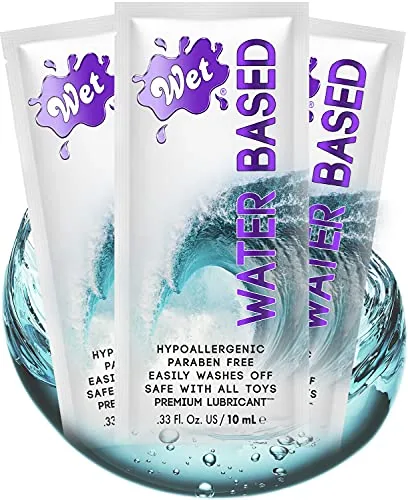
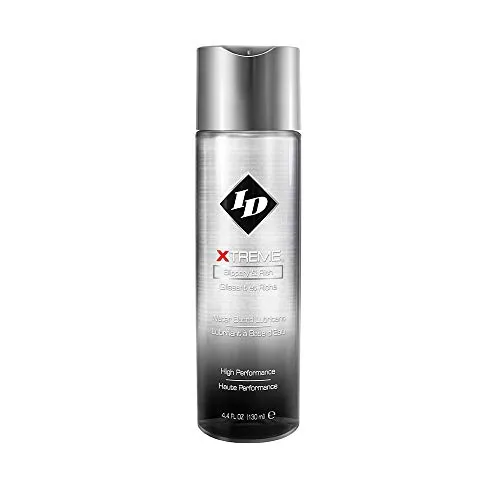
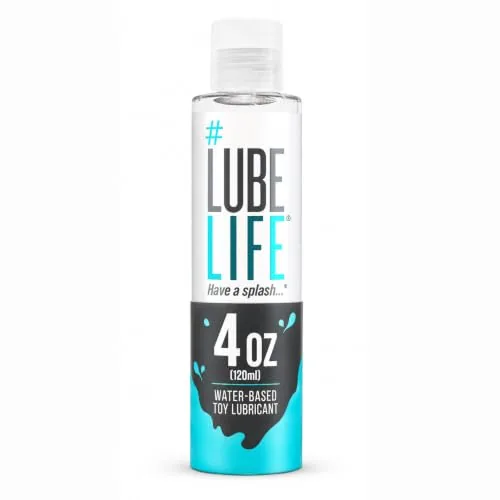
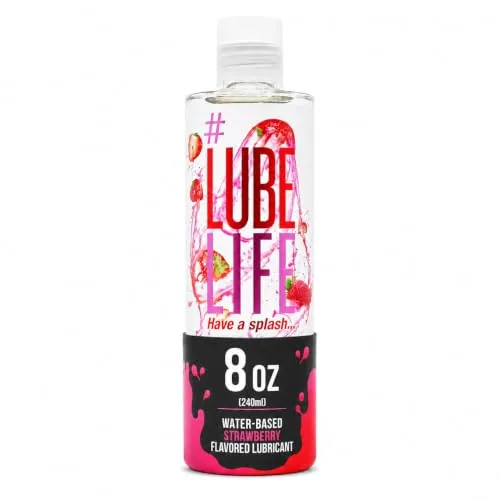
LubeLife Strawberry Flavored Lube, 8 fl oz
- Sugar-free flavor
- Water-based and silky
- Condom compatible
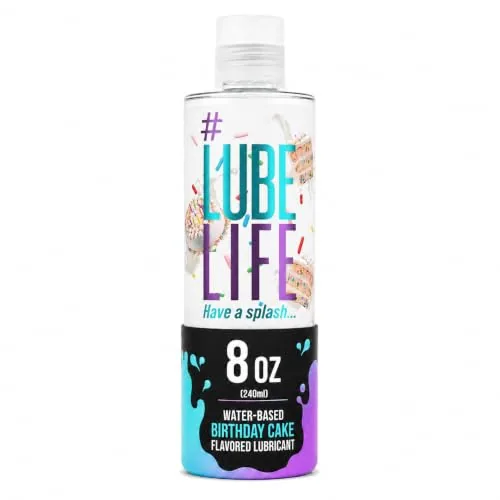
LubeLife Birthday Cake Flavored Lube, 8 fl oz
- Sugar-free flavor
- Water-based and silky
- Condom compatible
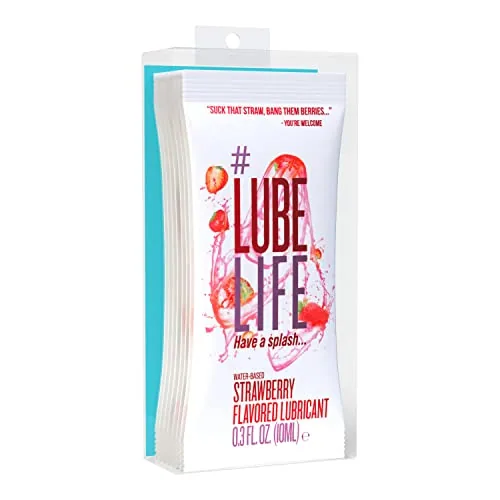
LubeLife Flavored Lube Variety Pack, 8 x 0.3 fl oz
- Single-use packets
- Try several formulas
- Travel friendly
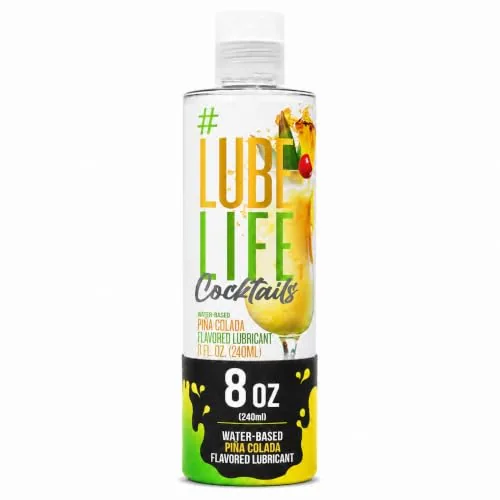
LubeLife Pina Colada Flavored Lube, 8 fl oz
- Sugar-free flavor
- Water-based and silky
- Condom compatible
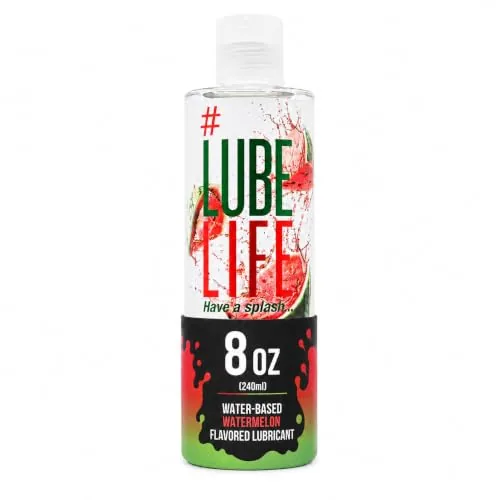
LubeLife Watermelon Flavored Lube, 8 fl oz
- Sugar-free flavor
- Water-based and silky
- Condom compatible
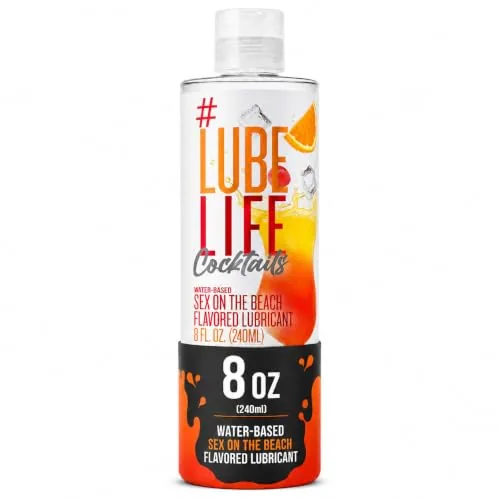
LubeLife Fun On The Beach Flavored Lube, 8 fl oz
- Sugar-free flavor
- Water-based and silky
- Condom compatible
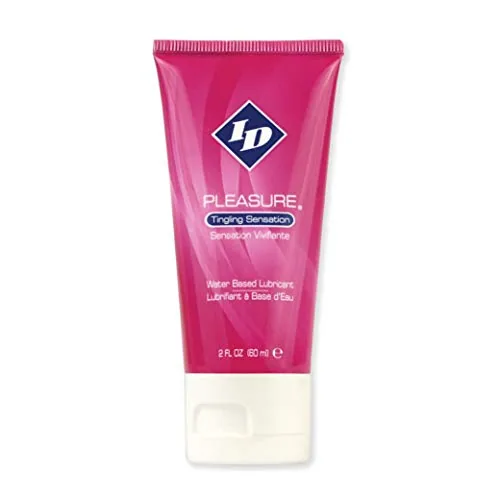
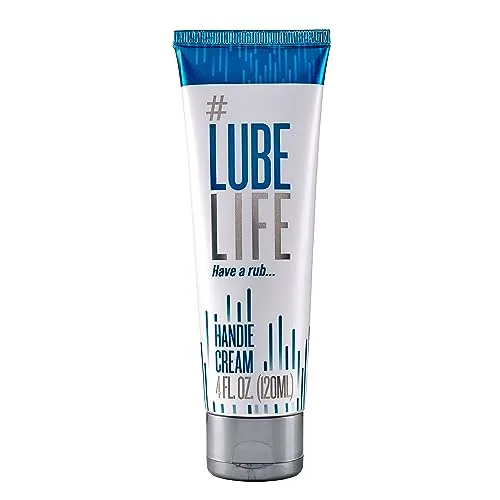
LubeLife Water Based Handie Cream, 4 fl oz
- Cream texture
- Made without sulfates and parabens
- Easy to clean
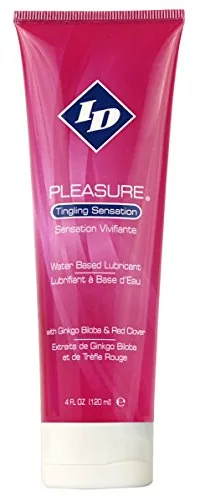
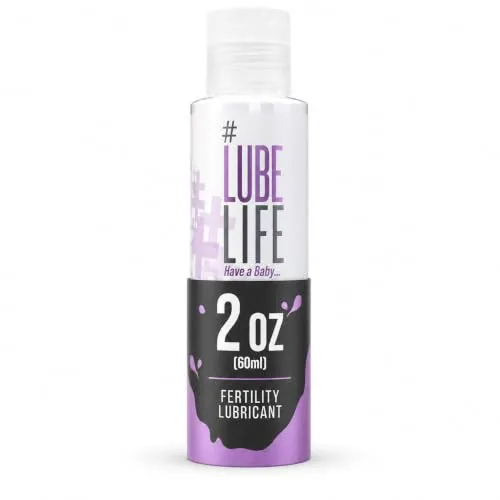
LubeLife Water Based Fertility Lube, 2 fl oz
- Fertility-friendly formula
- Glycerin and paraben free
- Vegan
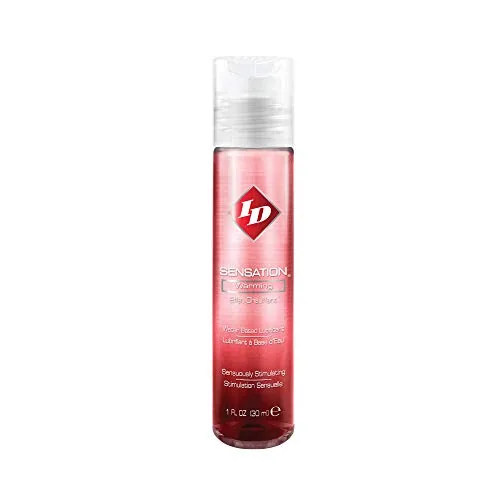
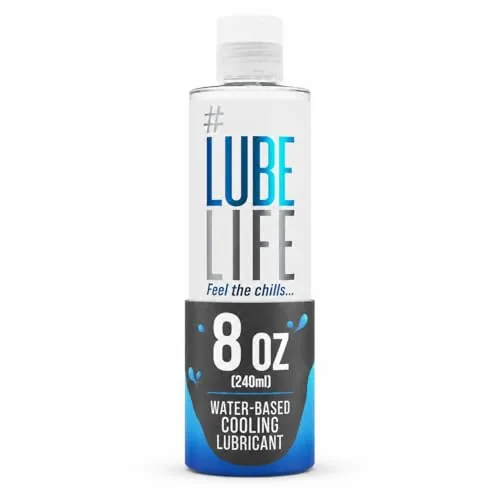
LubeLife Water Based Cooling Lube, 8 fl oz
- Cooling tingle
- Silky glide
- Toy and condom compatible
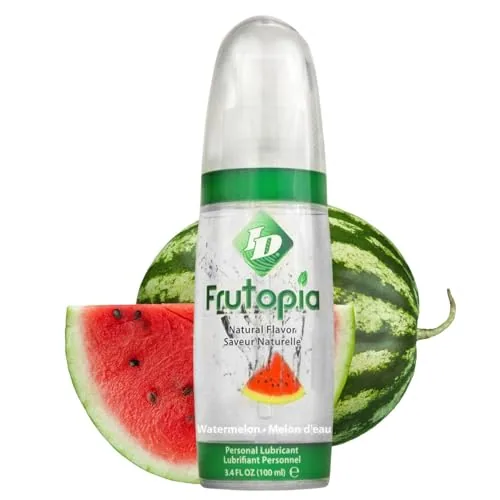
ID Frutopia Watermelon Flavored, 3.4 oz
- Fruit-flavored
- Water-based formula
- Condom compatible
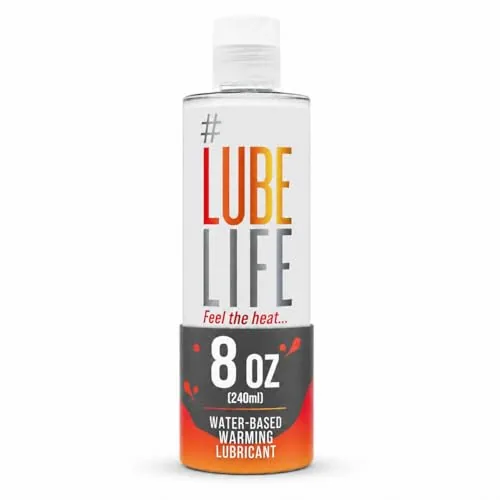
LubeLife Water Based Warming Lube, 8 fl oz
- Subtle warming feel
- Silky glide
- Toy and condom compatible
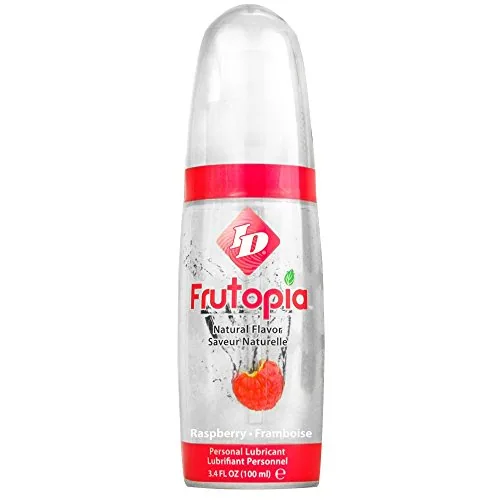
ID Frutopia Raspberry Flavored, 3.4 oz
- Fruit-flavored
- Water-based formula
- Condom compatible
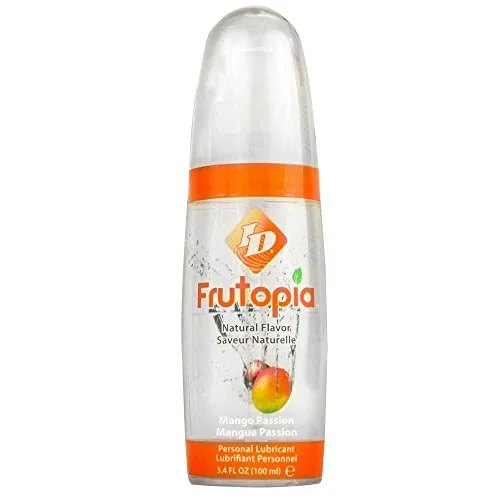
ID Frutopia Passion Flavored, 3.4 oz
- Fruit-flavored
- Water-based formula
- Condom compatible
No product matches every filter.
Why water-based lube is the usual starting point
Water-based lubricants are made mostly of water, thickened with ingredients such as cellulose or gums, and often softened with a humectant. They feel the closest to natural moisture, wash off skin with a quick rinse and rarely stain sheets, so they are often called non-staining. That ease is a big reason they take the largest slice of the market.
They are also the most flexible choice. Water-based formulas are generally compatible with latex and polyisoprene condoms and with silicone toys, which is why a condom-safe, toy-safe water-based lube is the safe default when you are not sure what else is in play. The trade-off is staying power: water absorbs and evaporates, so you may need to reapply or add a few drops of water. Our guide to choosing a lubricant walks through that choice step by step.
Not every water-based bottle is alike, though. Ingredient lists, thickness and the way a formula is balanced vary a lot, and details such as whether a bottle is glycerin-free matter most if you have sensitive skin. Always read the label for condom and toy statements from the maker, and look at our sensitive skin and condom-safe collections if either applies to you.
Water-based at a glance
| Feature | Water-based | Silicone | Oil-based |
|---|---|---|---|
| Latex condoms | ✓ Yes | ✓ Yes | ✗ No |
| Silicone toys | ✓ Yes | ✗ No | ✓ Yes |
| Easy to wash off | ✓ Yes | ~ Needs soap | ~ Can stain |
| Lasts in water | ✗ No | ✓ Yes | ~ Partly |
| Needs reapplying | ~ Sometimes | ✗ Rarely | ✗ Rarely |
Source: General compatibility guidance; always check the maker's label
Market shares are paid-report estimates and publishers disagree, so treat them as a rough guide to what people buy rather than a measure of quality.
What to look for on a water-based label
Water-based lubricants differ most in osmolality, which is how concentrated a formula is. The WHO says the ideal is no more than 380 mOsm/kg, with 1,200 mOsm/kg as an interim upper limit, and notes that most commercial lubricants sit at 2,000 to 6,000. In one 2012 lab study, 6 of 10 water-based gels were hyperosmolar. Manufacturers rarely publish this figure, so ingredient lists and a short, simple formula are the practical clues. See osmolality and pH explained for more.
Read next
How to choose a lubricant: water, silicone, oil or hybrid
GuideLube and condoms: what is safe with latex and what is not
GuideLube and silicone toys: the compatibility rules
GuideLubricants and moisturizers for dryness and menopause
GuideTrying to conceive? A guide to fertility-friendly lubricants
GuideLube for sensitive skin: the ingredients to check
Water-based: questions
Are water-based lubricants safe with condoms?
Water-based lubricants are generally compatible with latex and polyisoprene condoms. Check the maker's statement on the bottle, since a few specialty formulas make different claims.
Can I use water-based lube with silicone toys?
Yes. Water-based formulas will not break down silicone, which is why they are the usual recommendation for toys. Silicone lubricants are the ones to avoid on silicone toys.
Why does my water-based lube feel sticky or dry out?
Water evaporates and absorbs into skin, so the glide thins over time. Add a little water or a small amount more lube. If it turns tacky quickly, a different thickener or a hybrid may suit you better.
Is water-based lube good for sensitive skin?
Many people find it gentle, but formulas vary. Look for short ingredient lists and avoid anything you know you react to, and see a clinician if irritation keeps returning.
What is the best water-based lube?
The best water-based lube depends on what you need. A short, glycerin-free ingredient list suits sensitive skin, a thicker gel lasts longer, and a maker's statement of condom and toy compatibility is worth looking for.