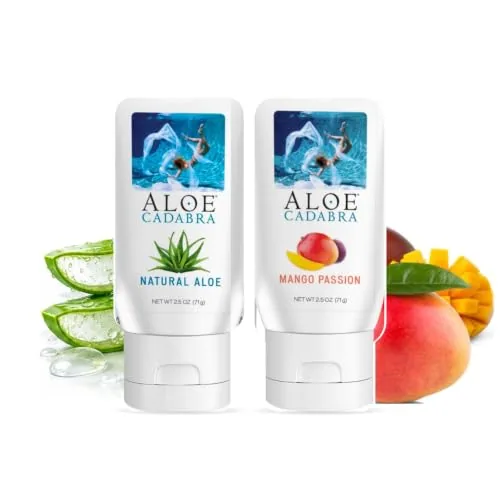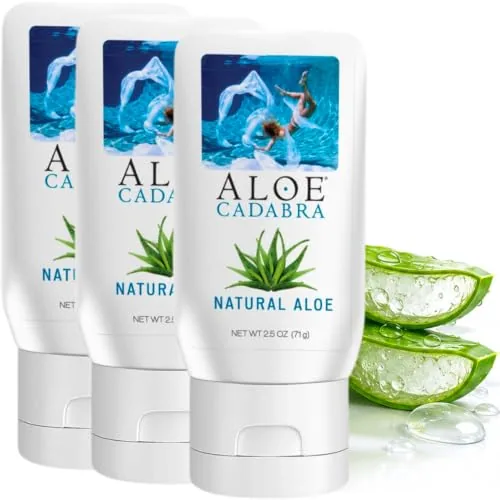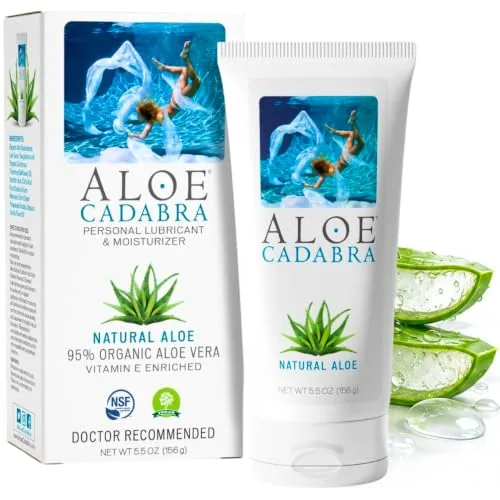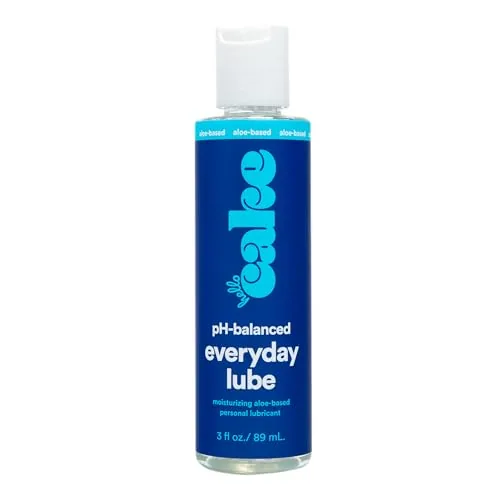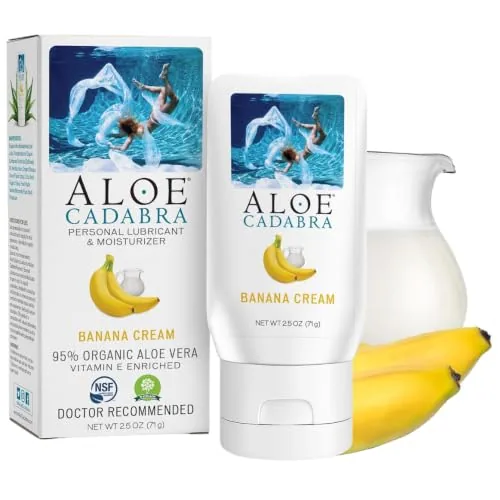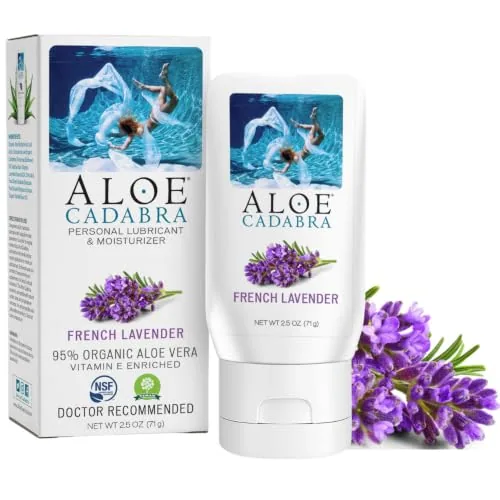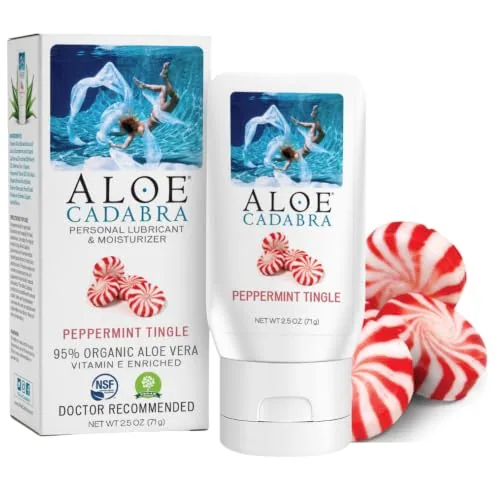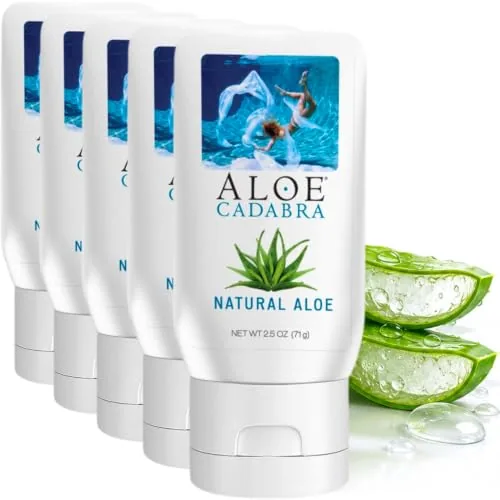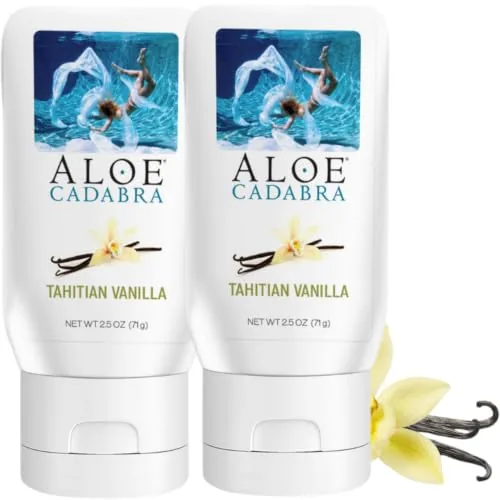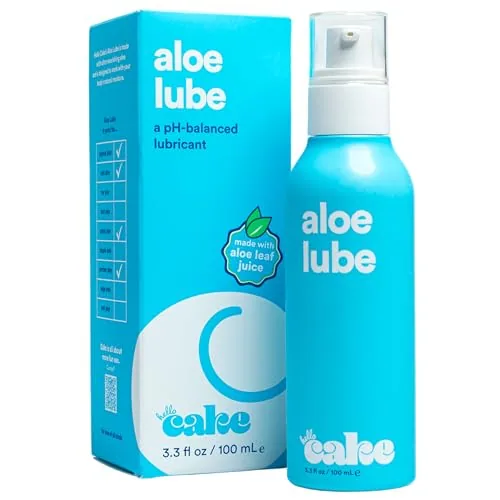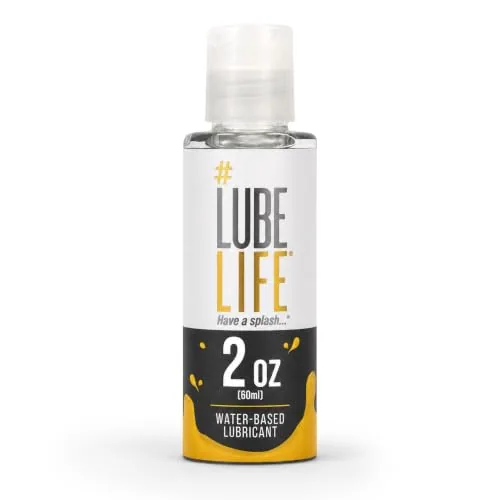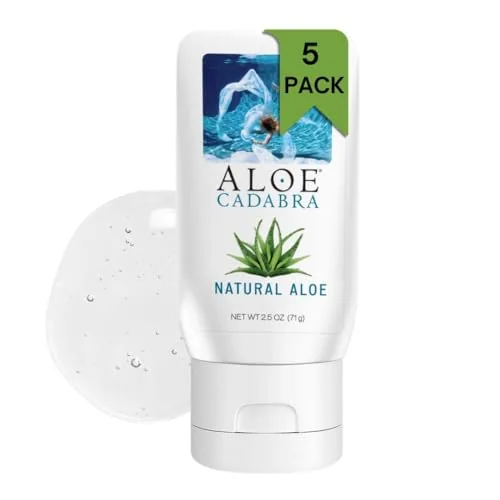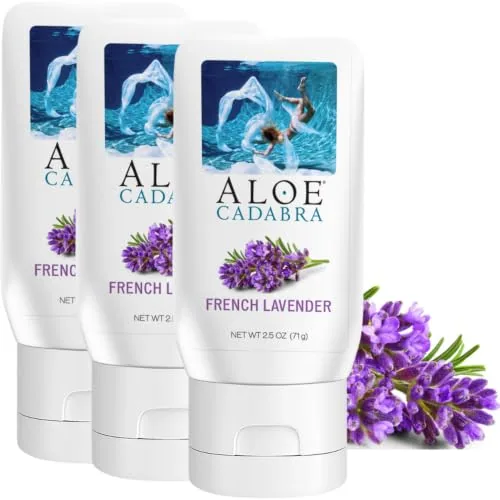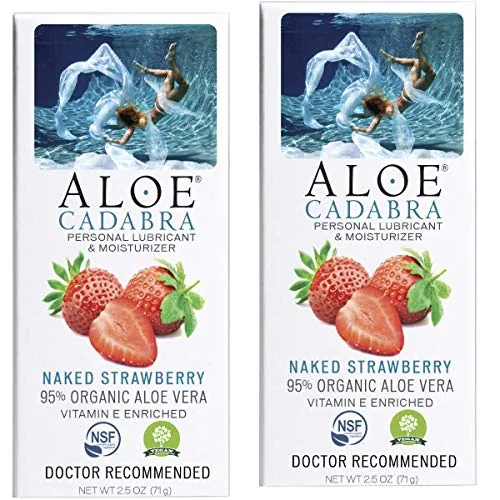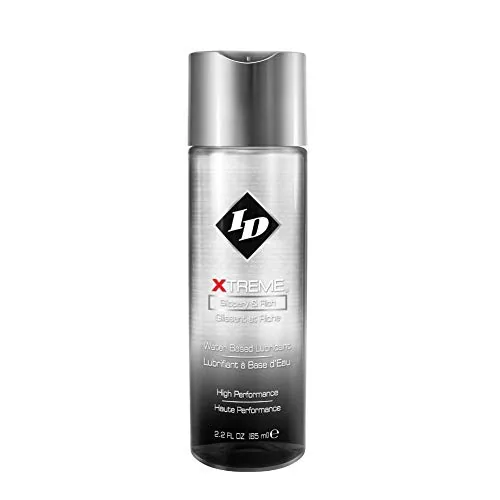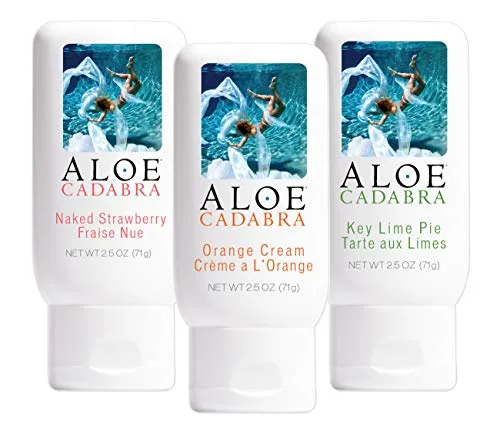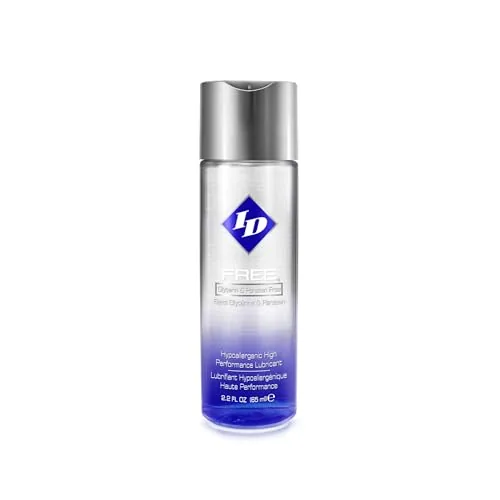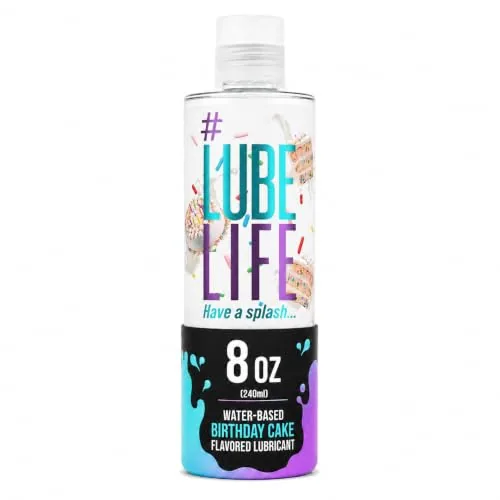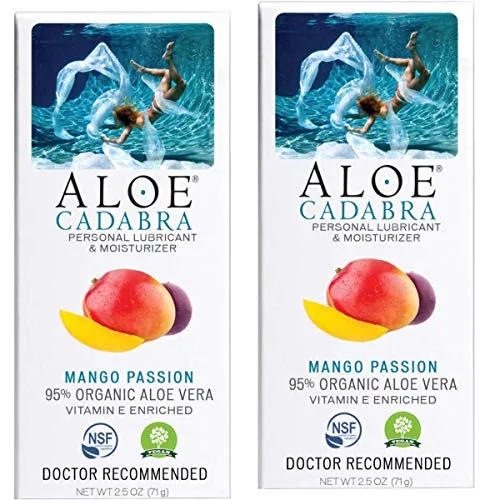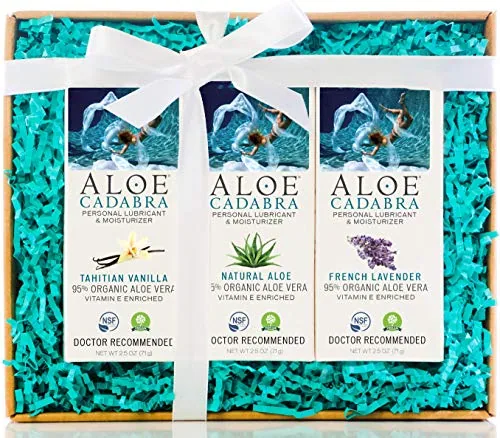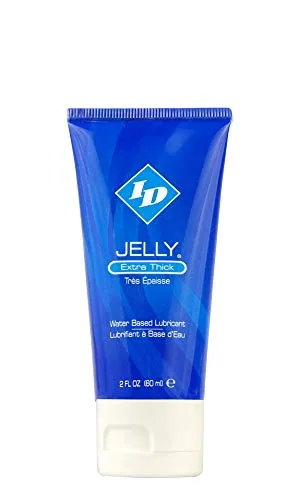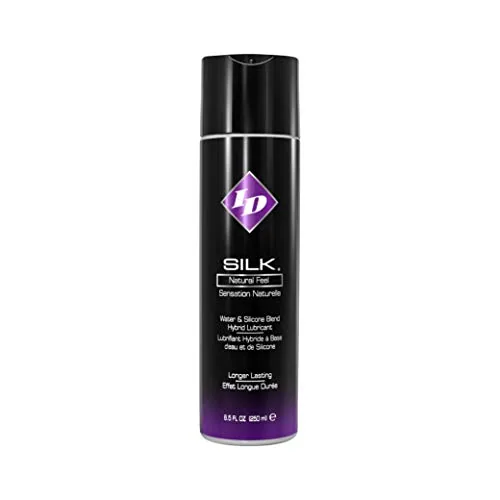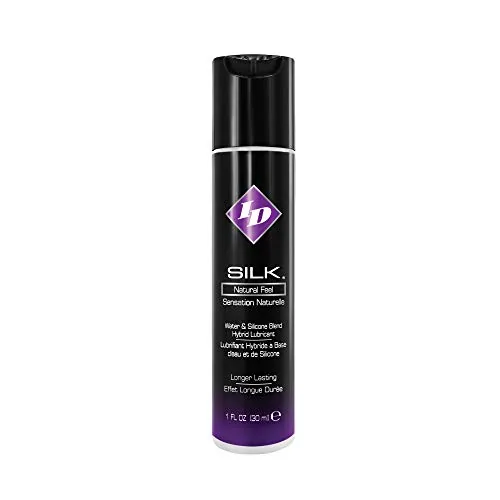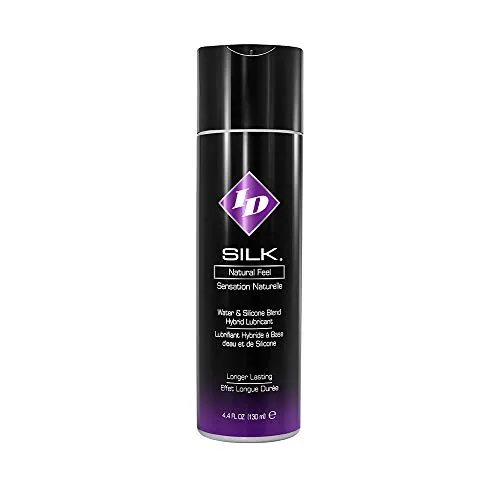
Aloe Cadabra
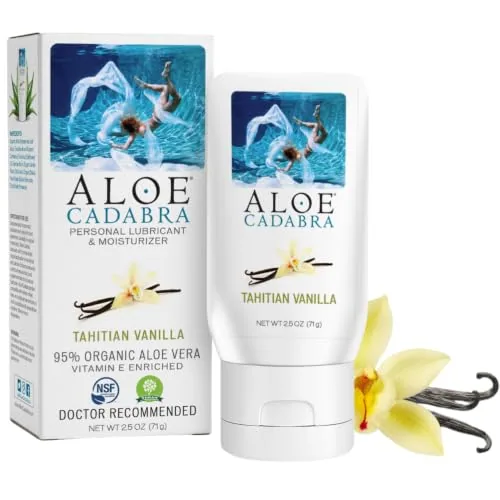
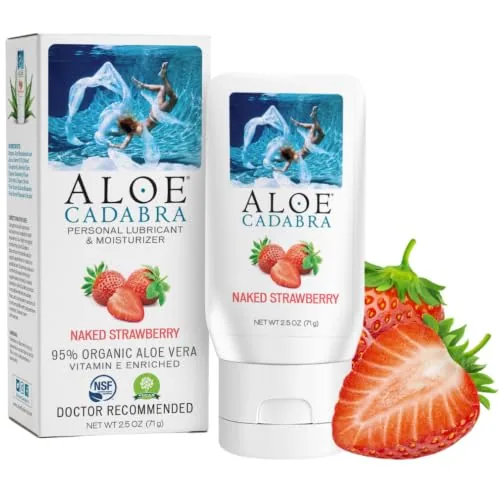
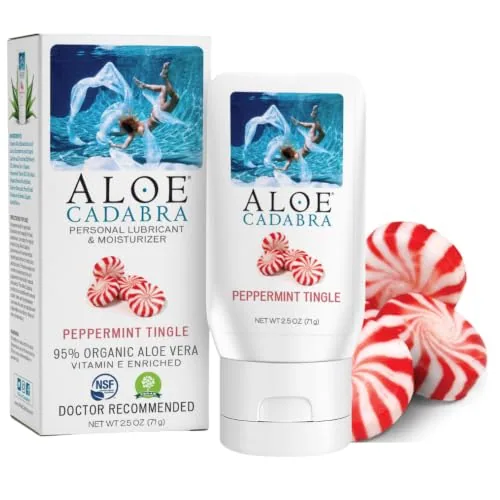
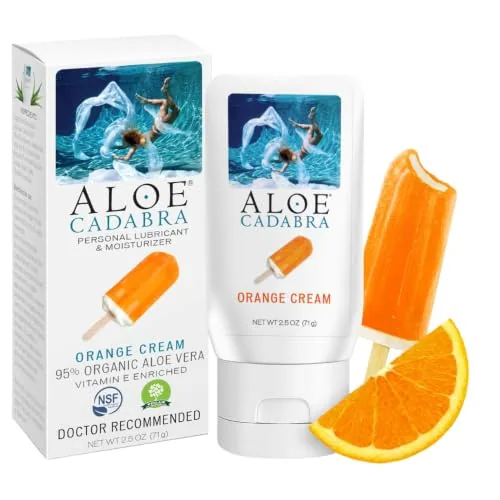
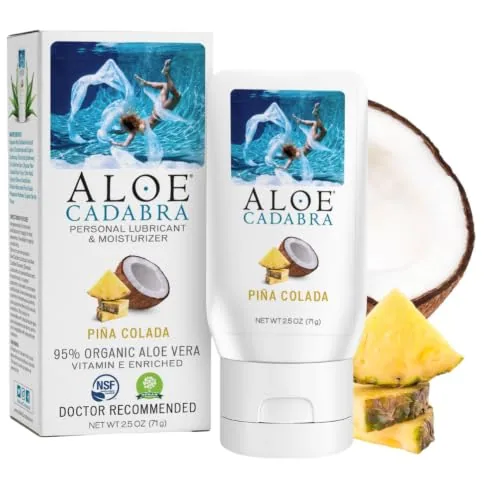
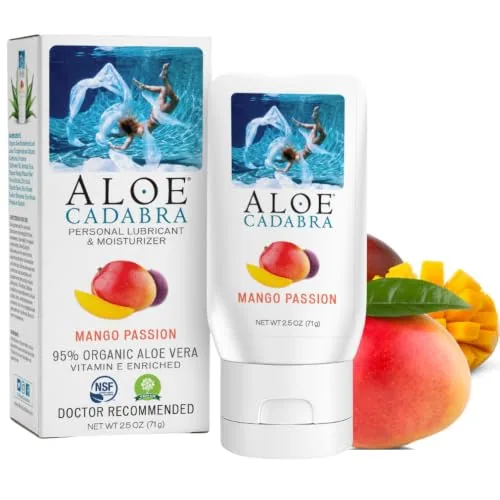
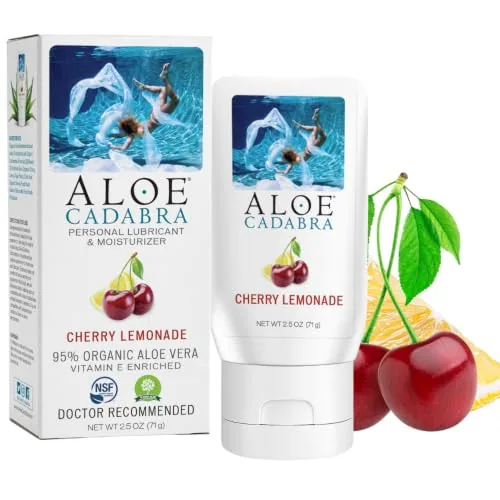
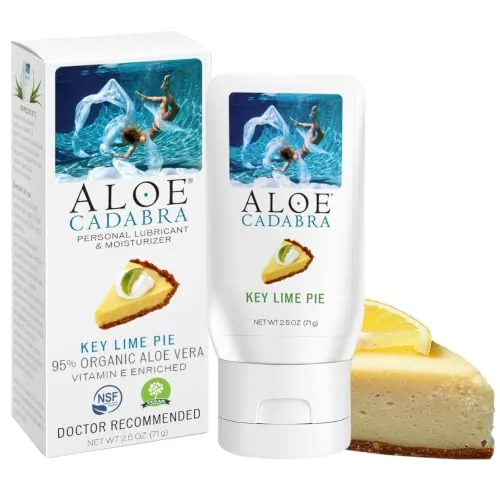
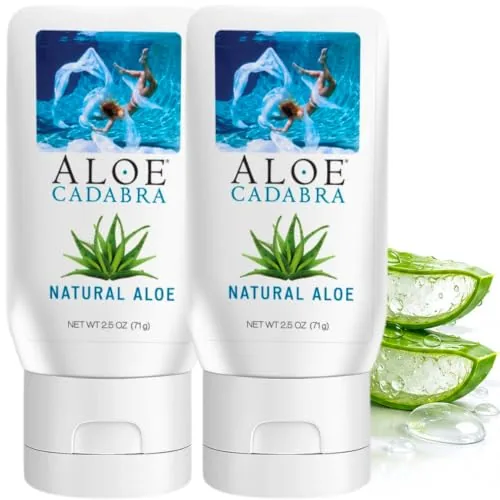
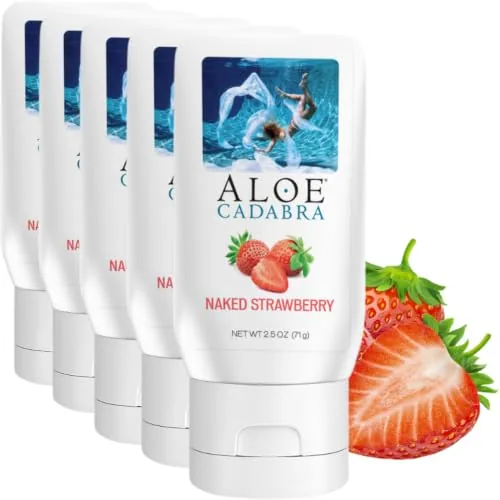
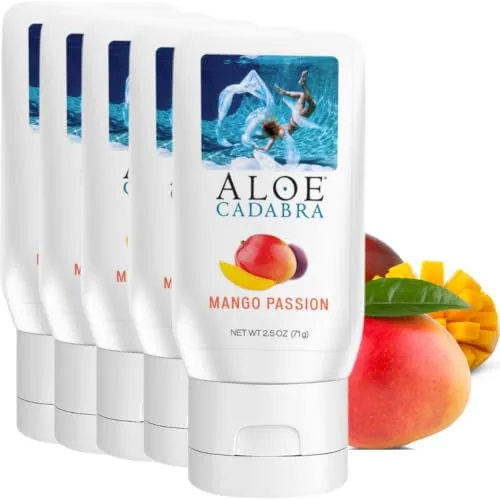
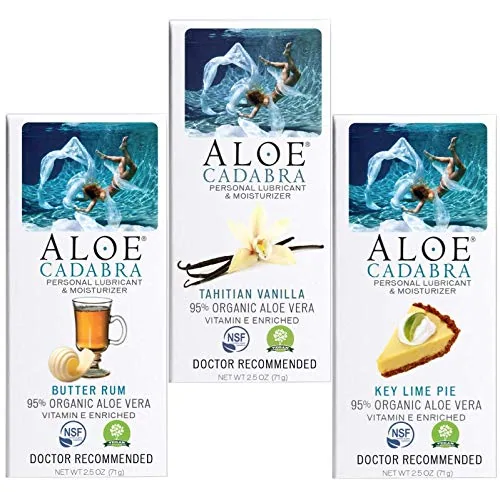
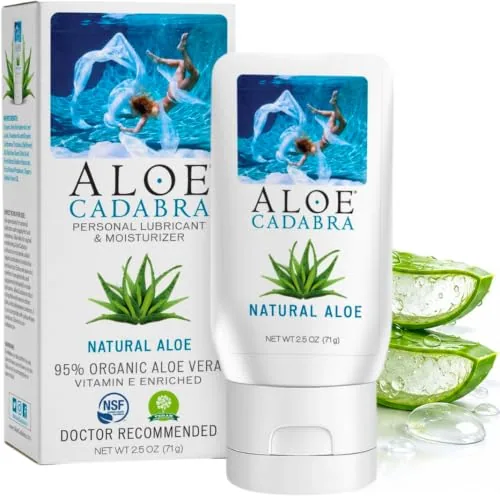
Aloe Cadabra Unscented Aloe Lube, 2.5 oz
- Unscented aloe base
- pH balanced & vegan
- Free of parabens & glycerin
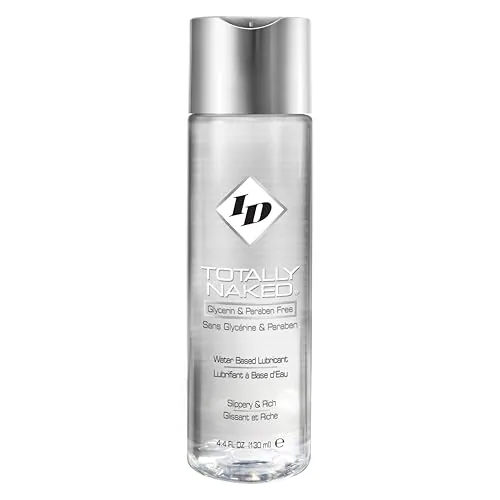
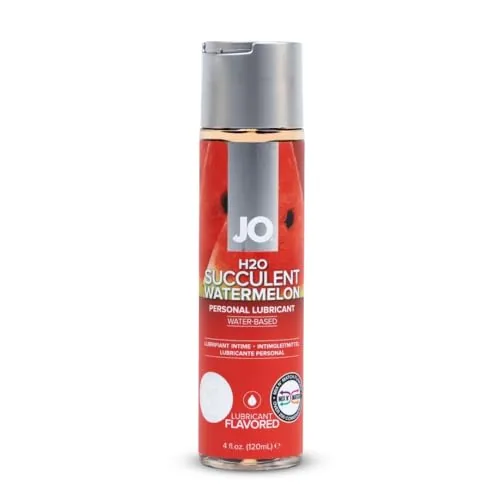
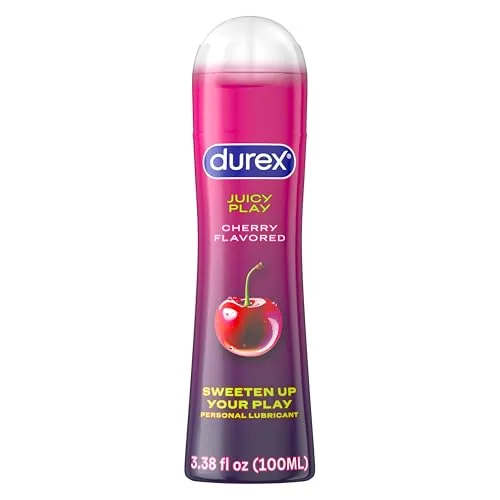
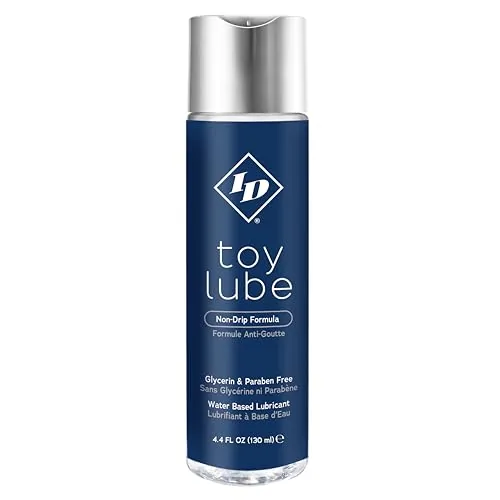
Toy-safe lube is water-based or hybrid and will not degrade silicone toys, with a quick guide to materials.
No product matches every filter.
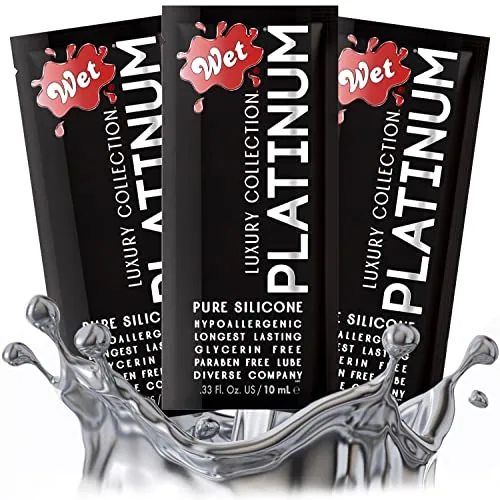
Silicone lubricant can soften or roughen the surface of silicone toys, so water-based lubricant is the standard choice for them, and many shoppers look for the best lube for toys by checking the material first. Oil-based products are usually fine with silicone but can harm some porous or rubber-like materials, so check what your toy is made from.
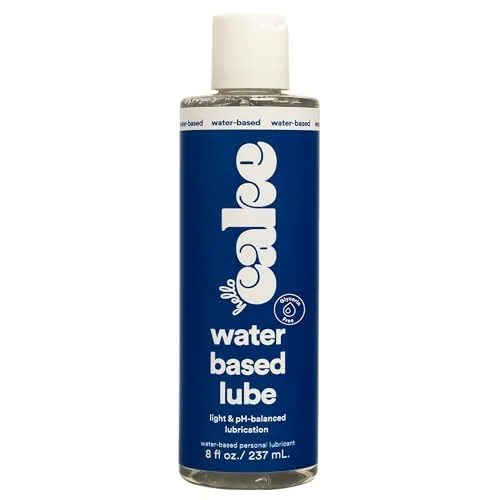
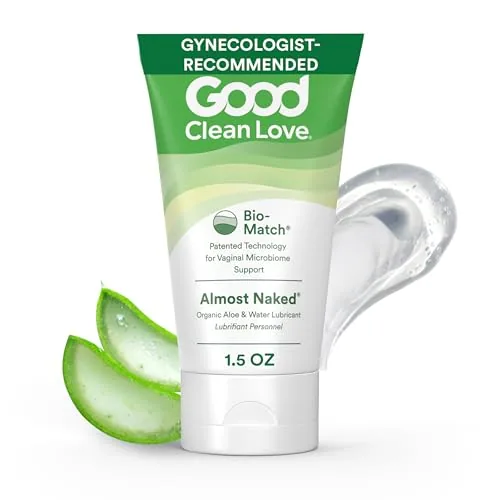
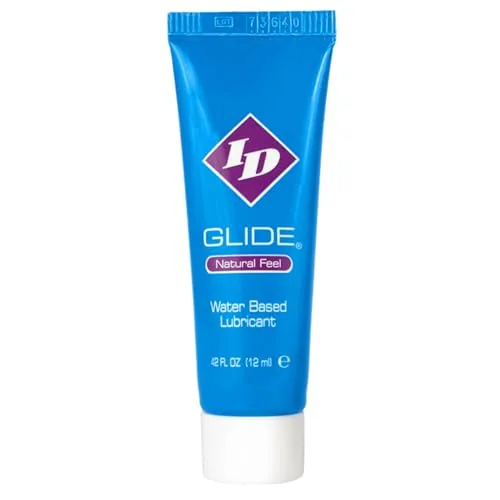
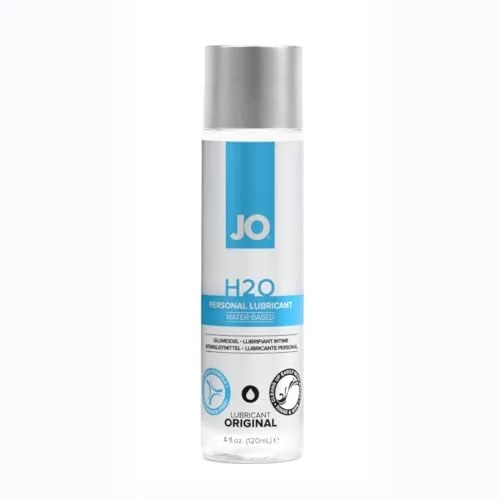
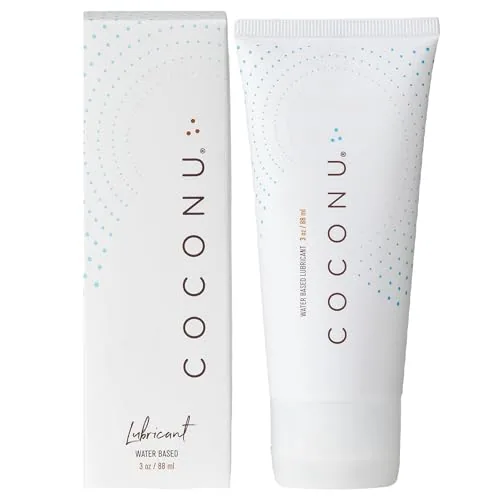
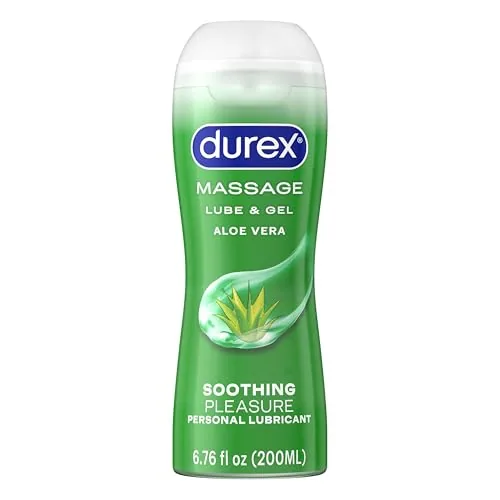
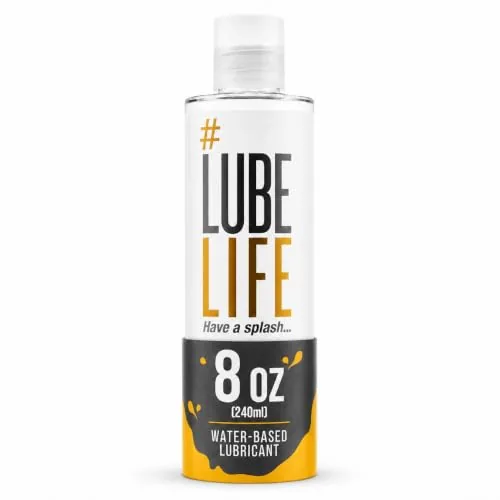
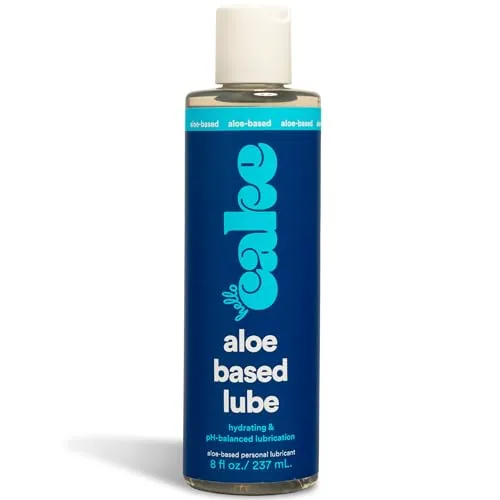
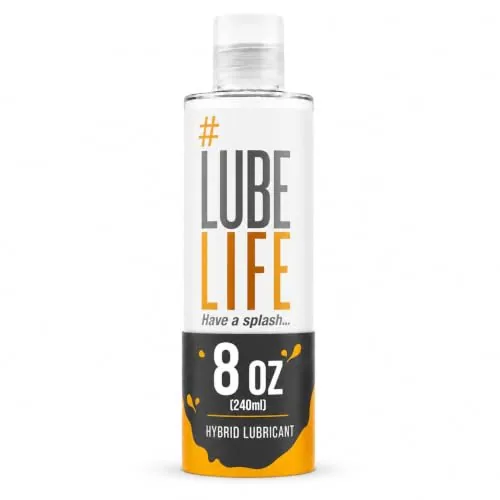
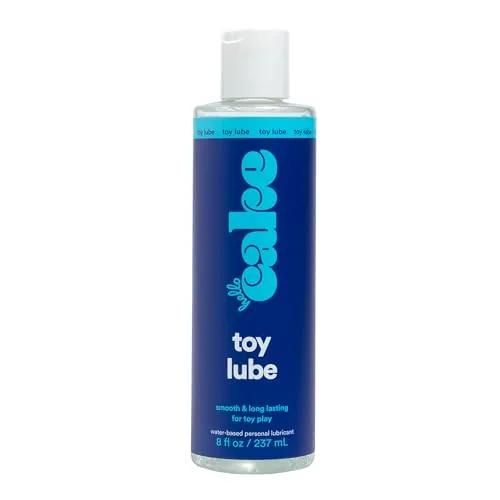
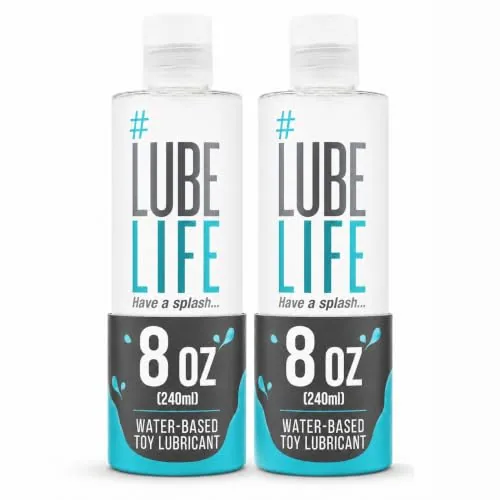
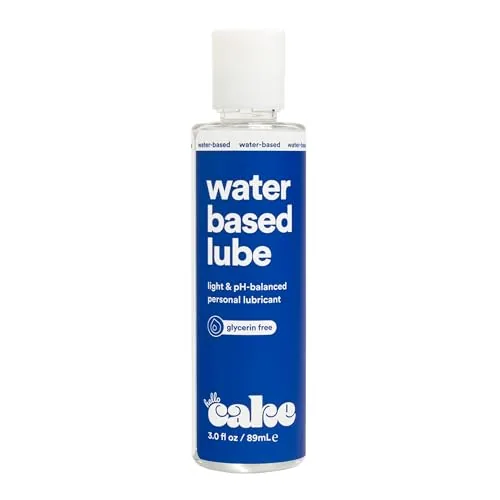
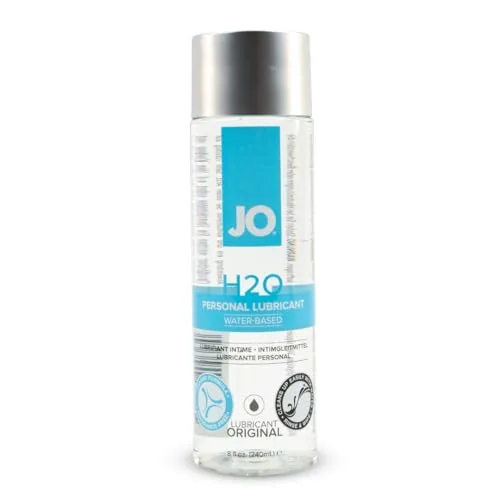
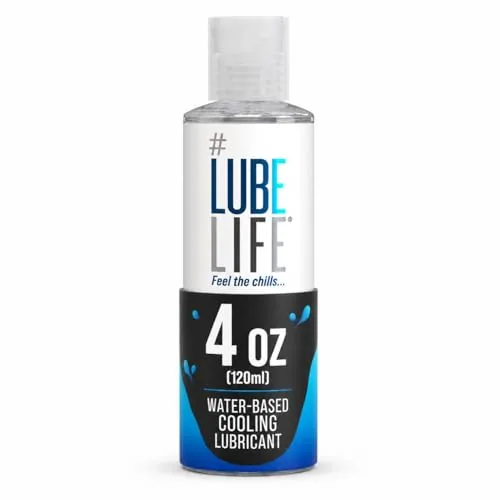
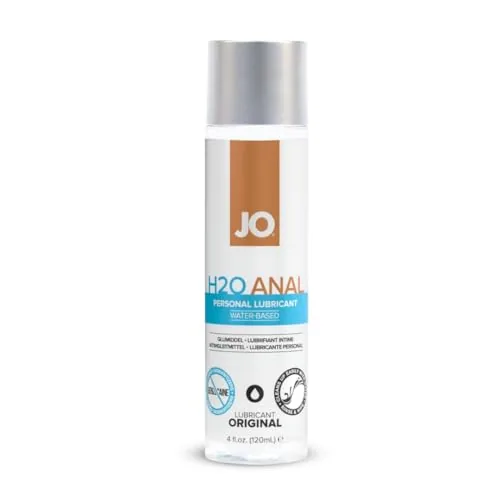
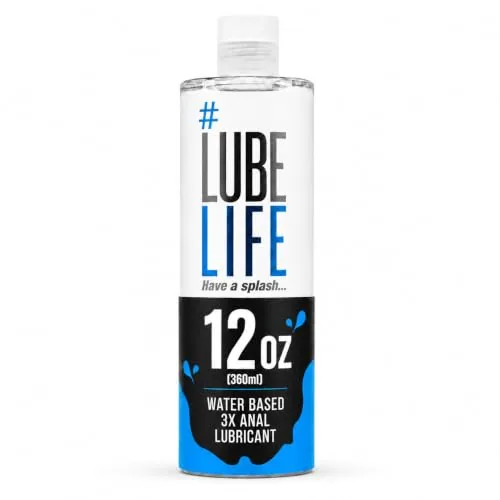
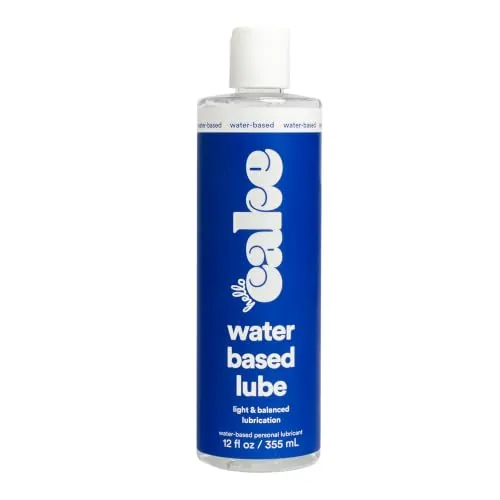
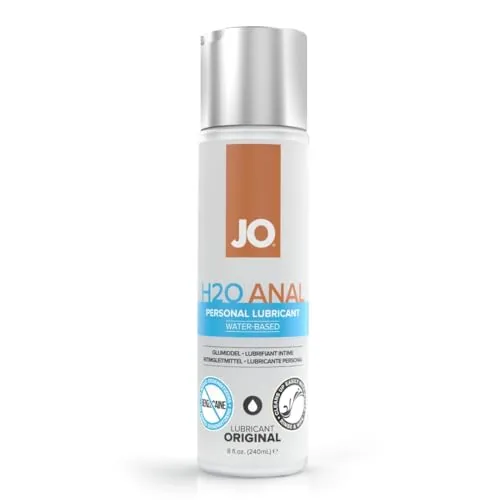
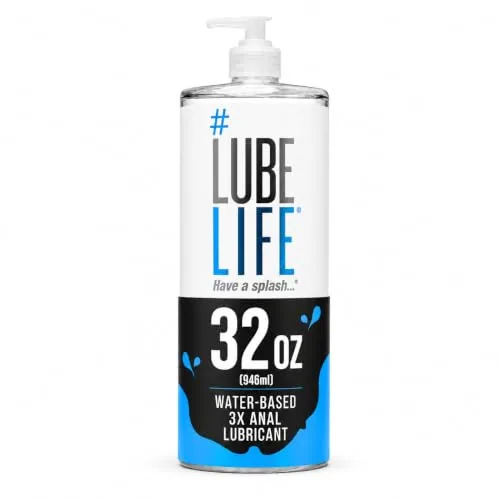
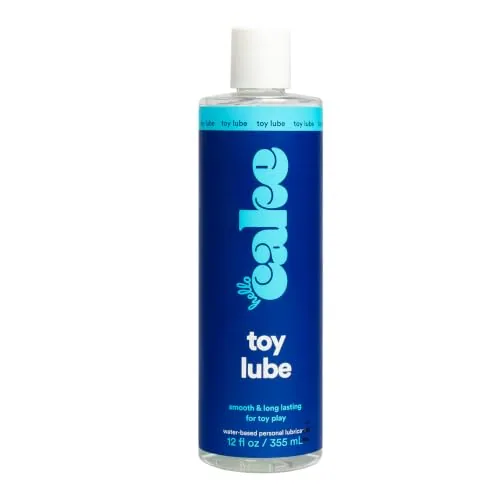
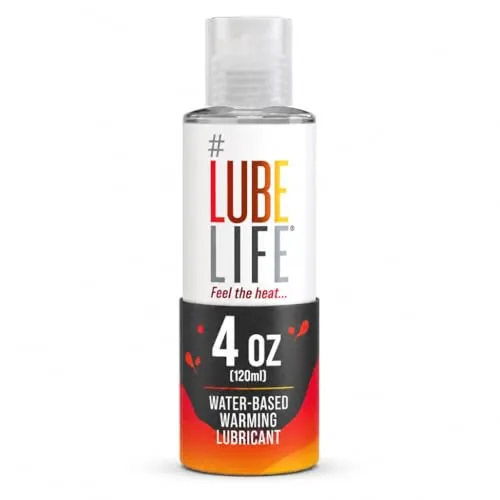
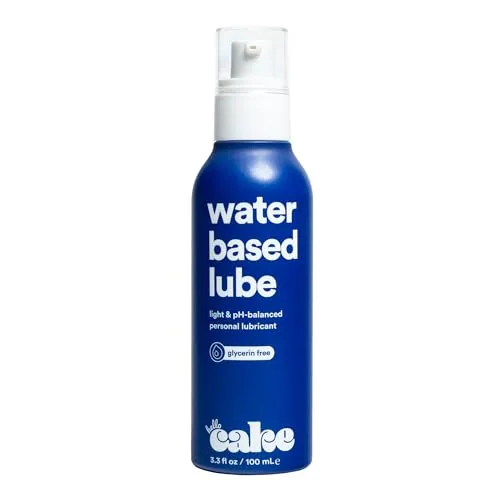
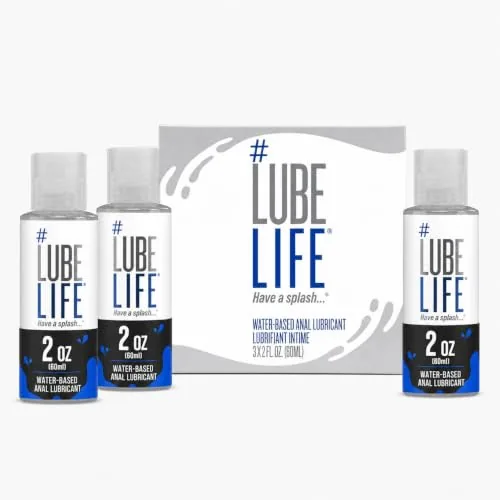
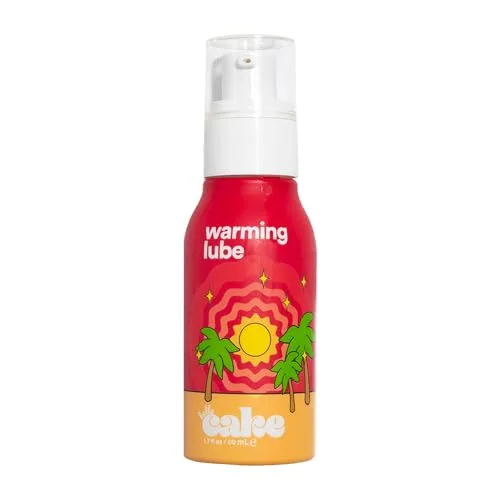
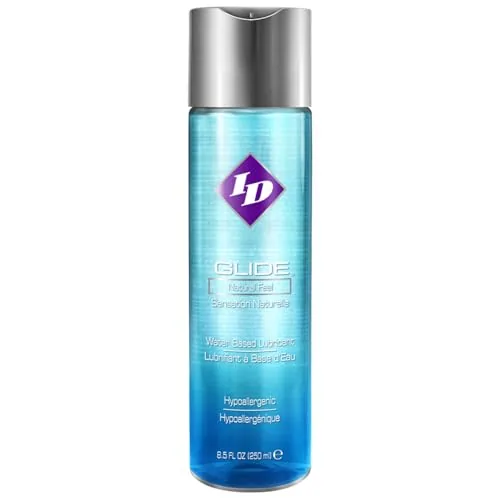
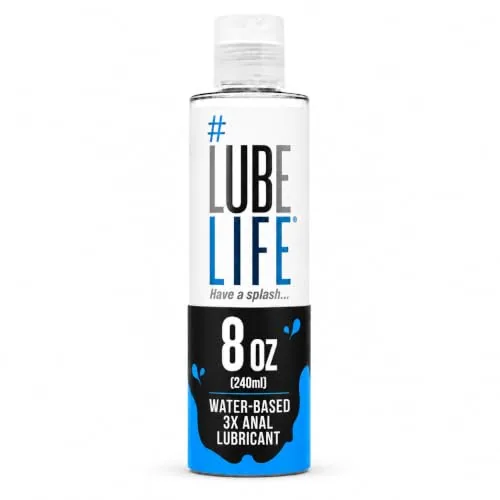
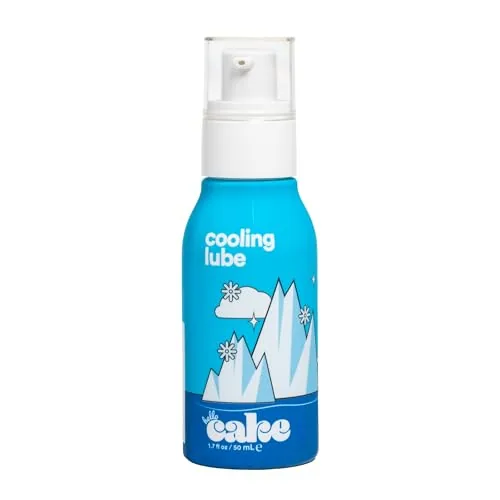
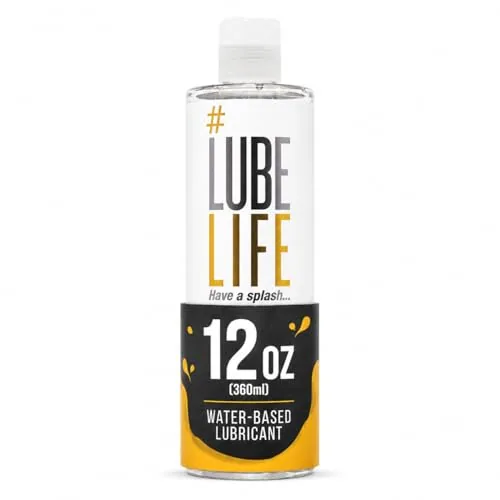
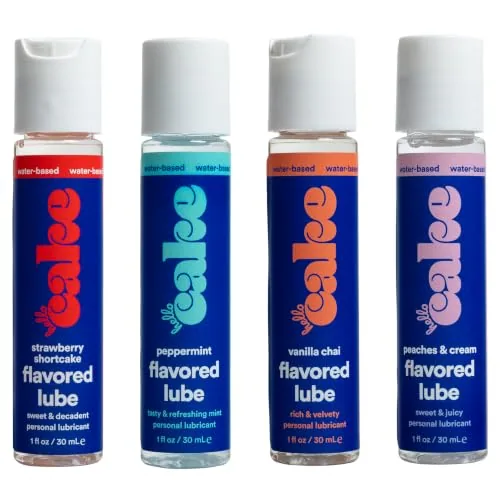
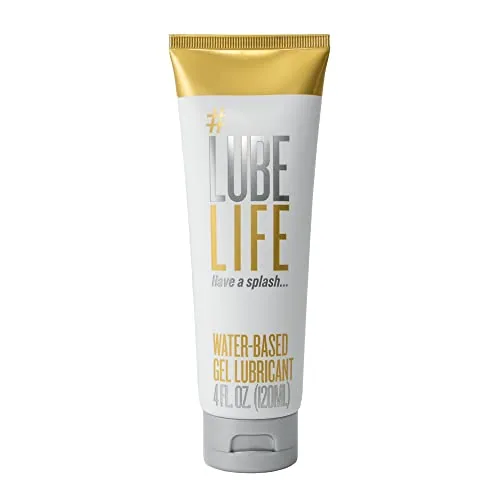
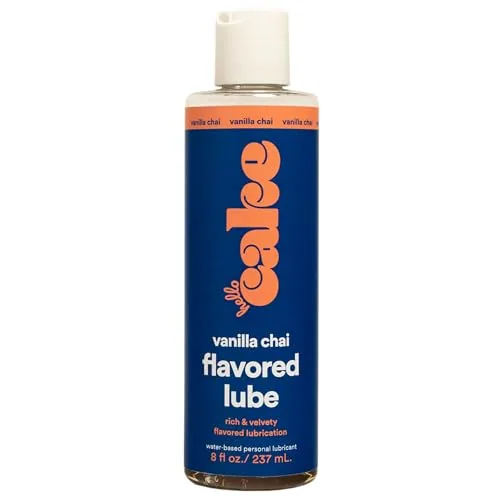
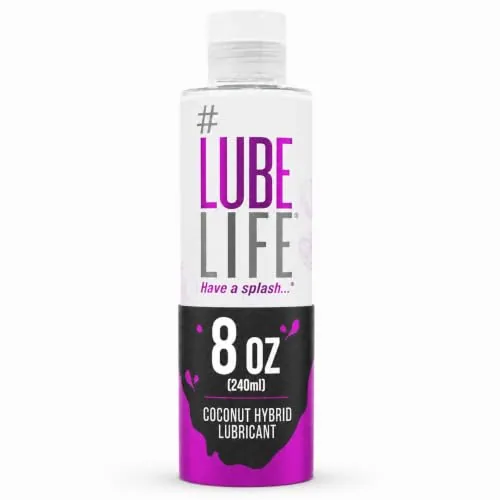
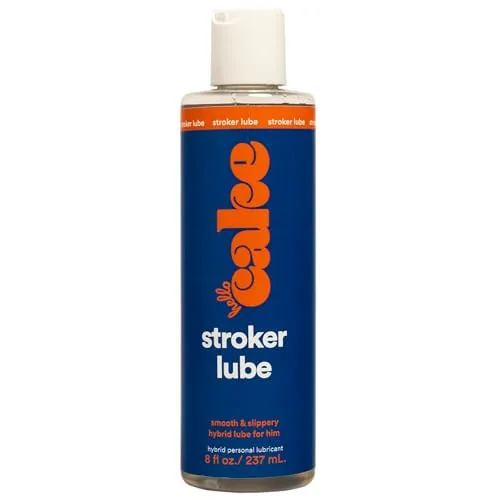
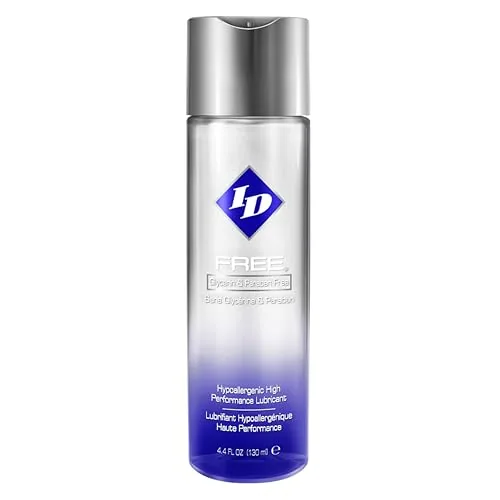
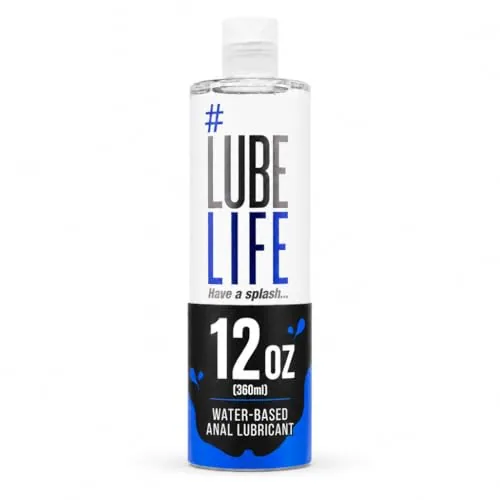
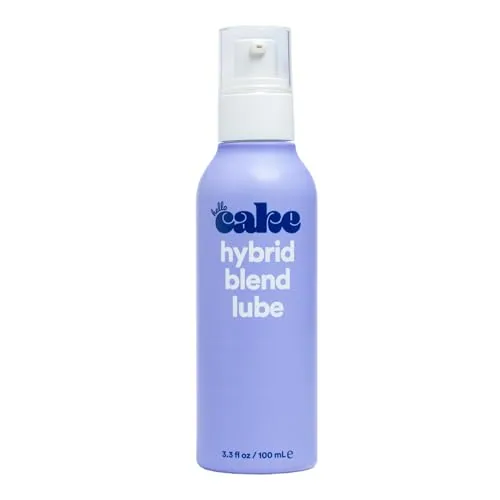
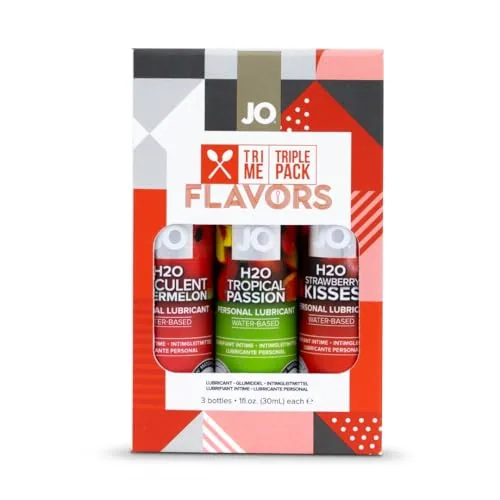
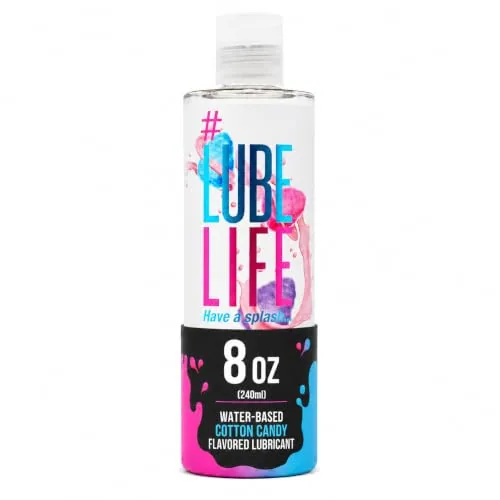
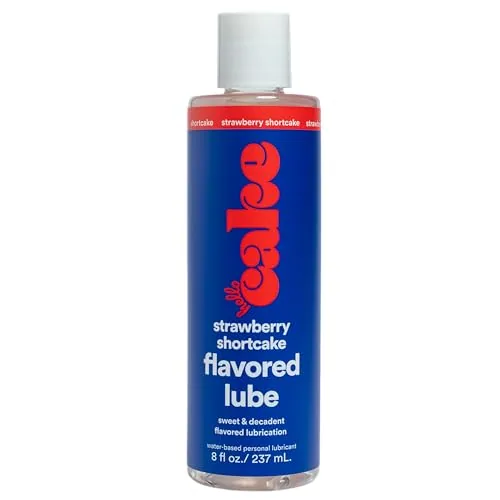
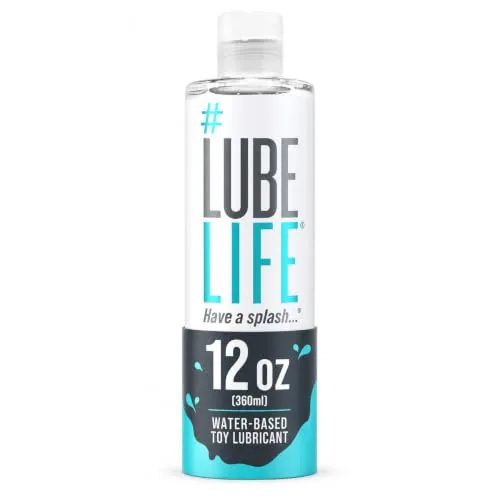
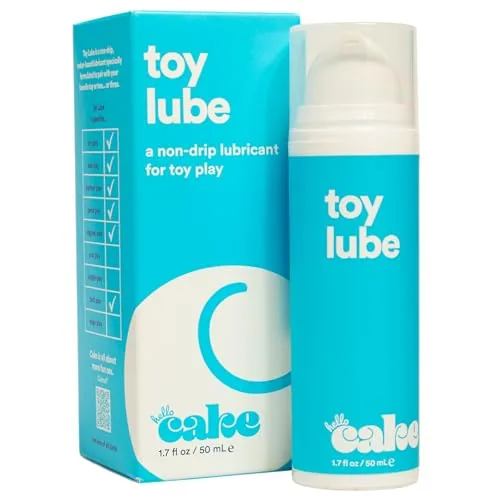
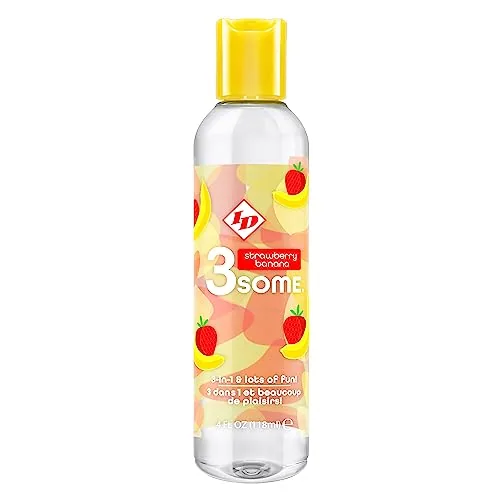
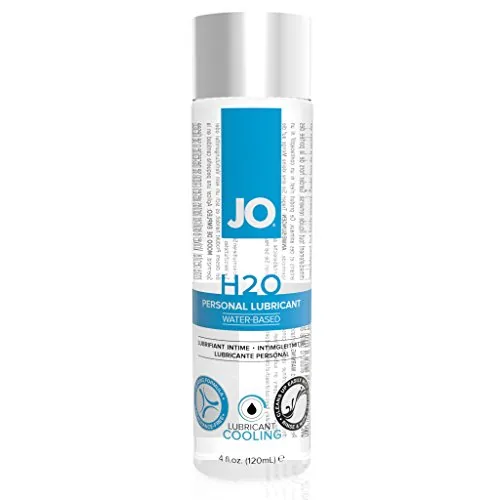
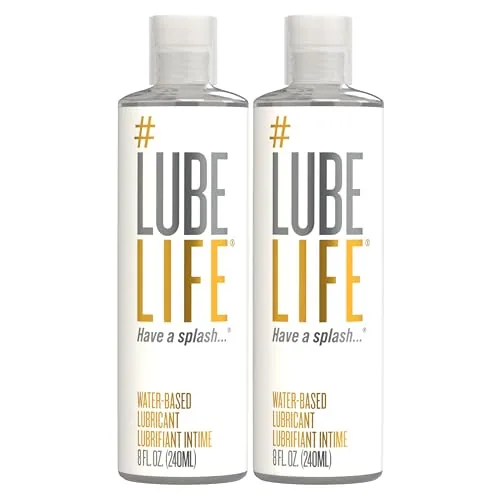
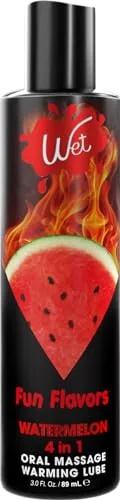
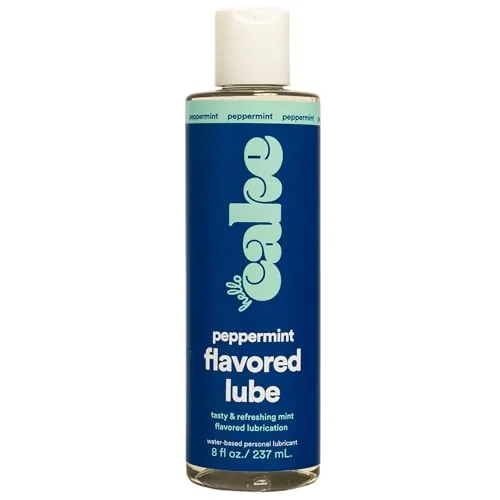
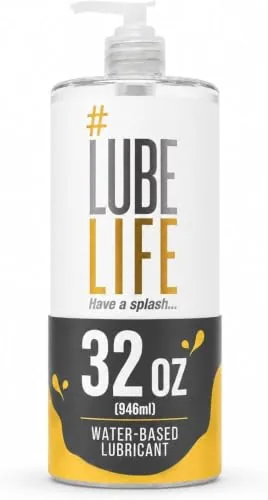
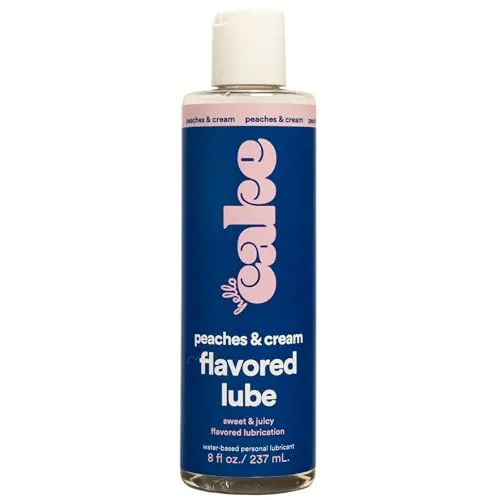
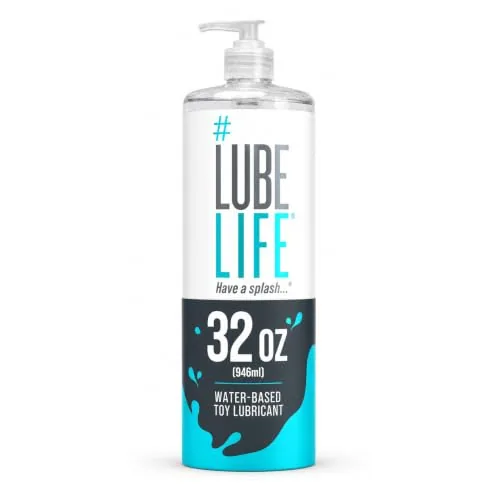
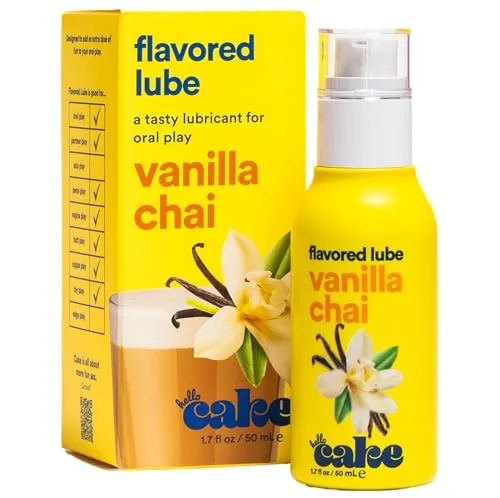
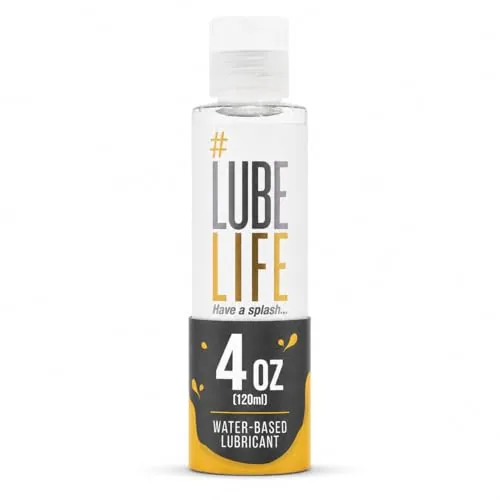
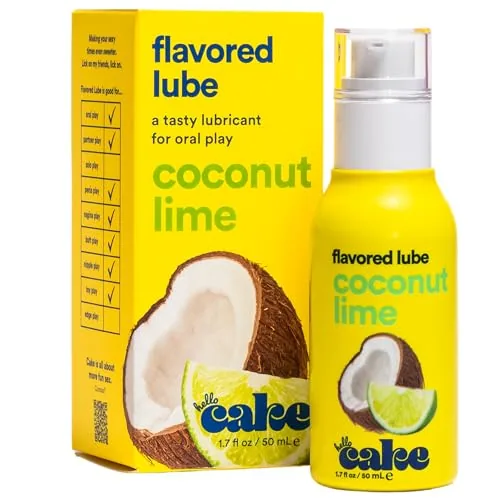
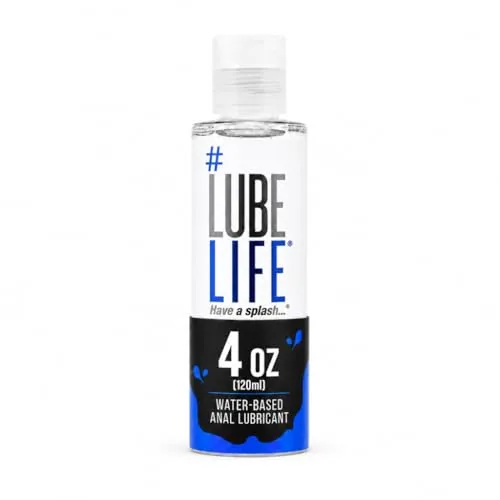
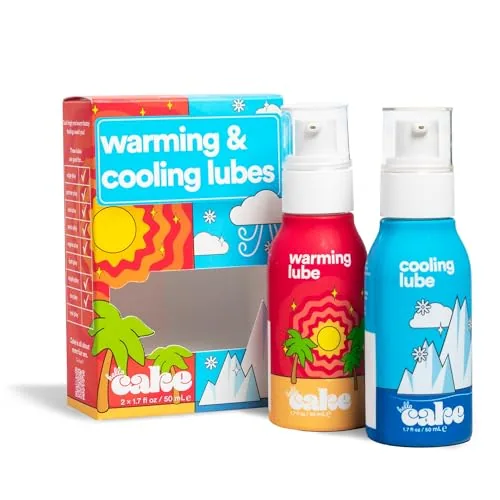
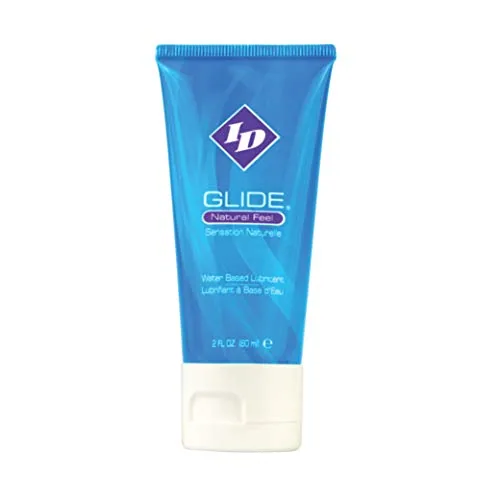
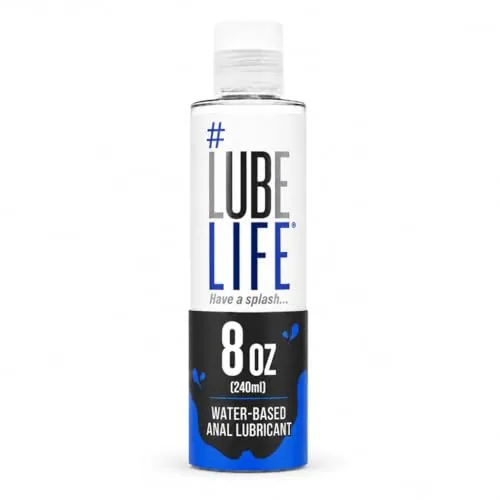
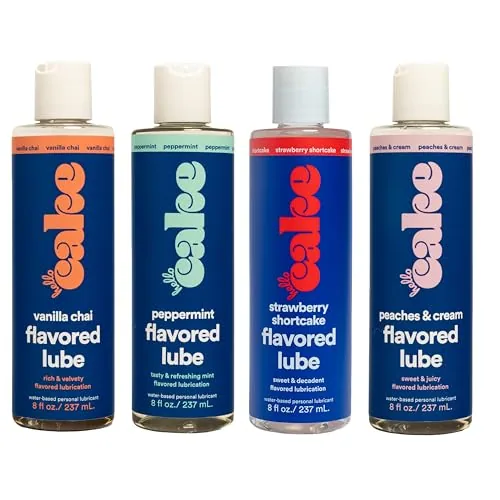
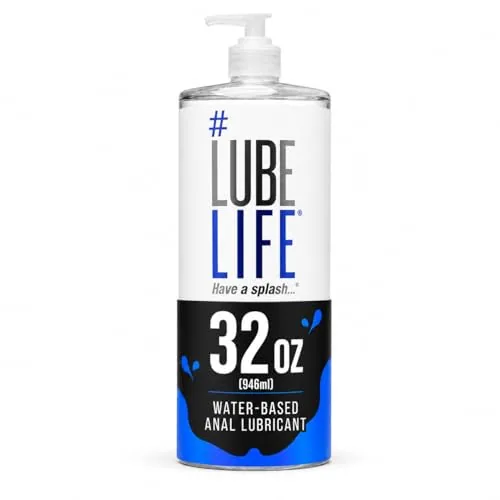
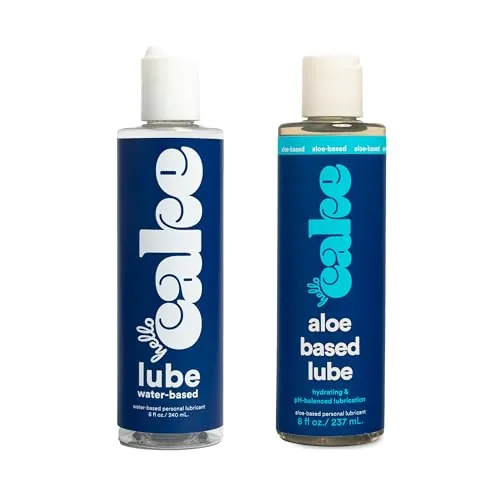
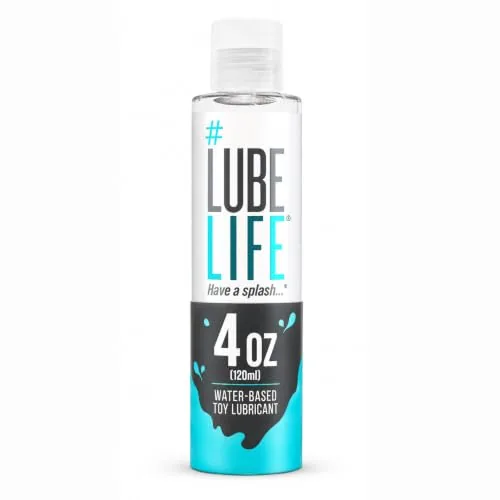
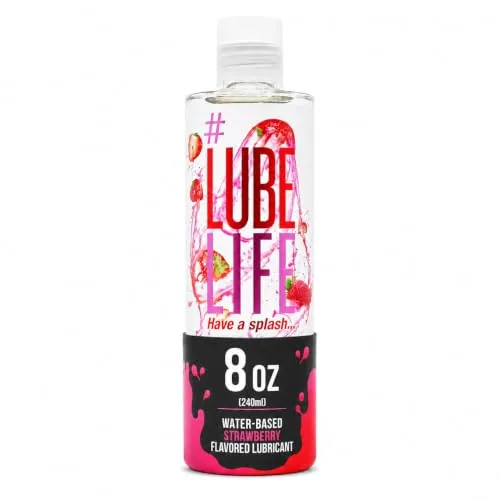
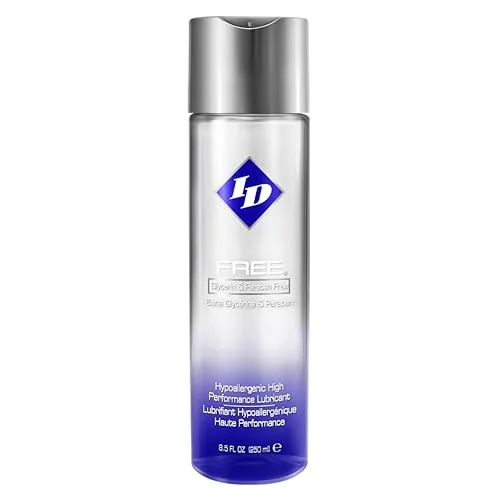
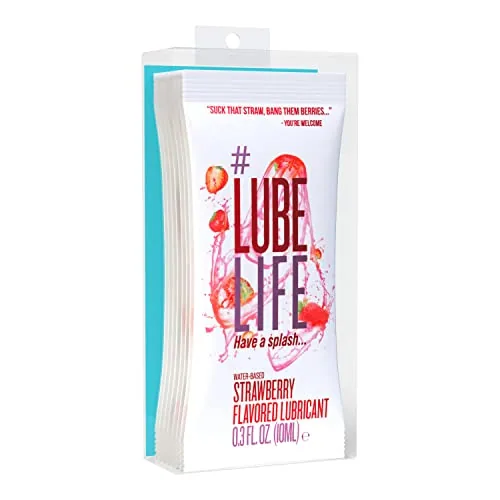
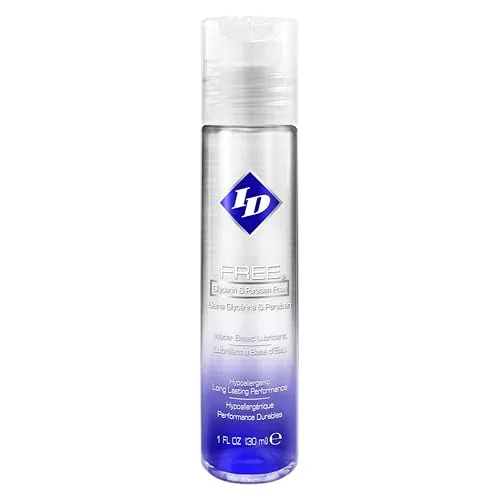
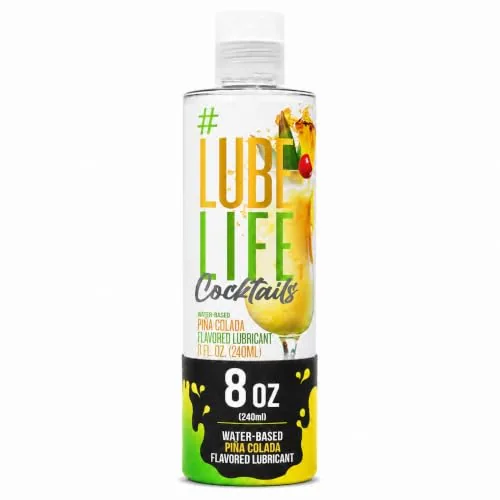
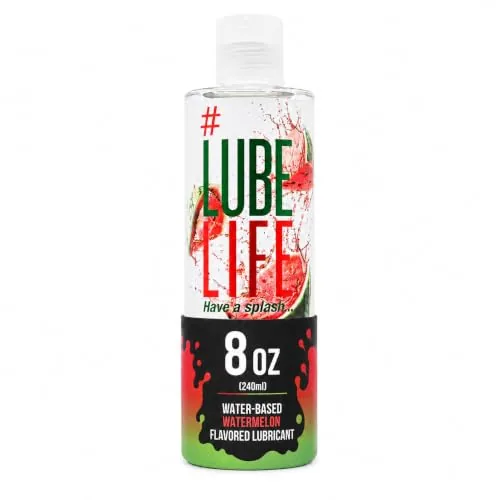
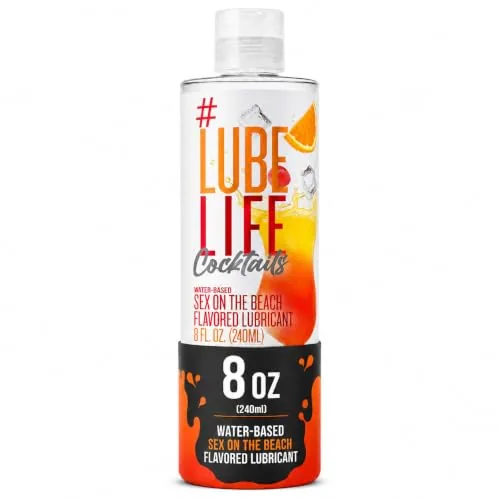
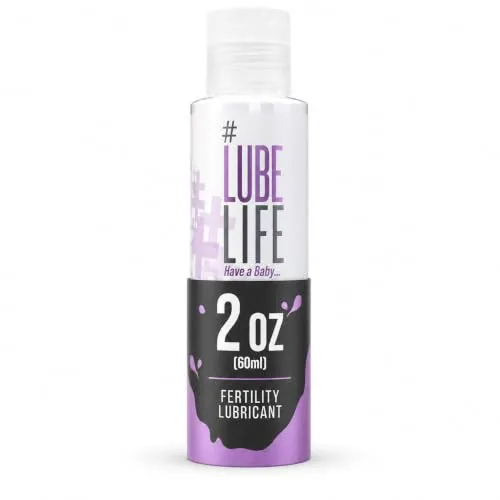
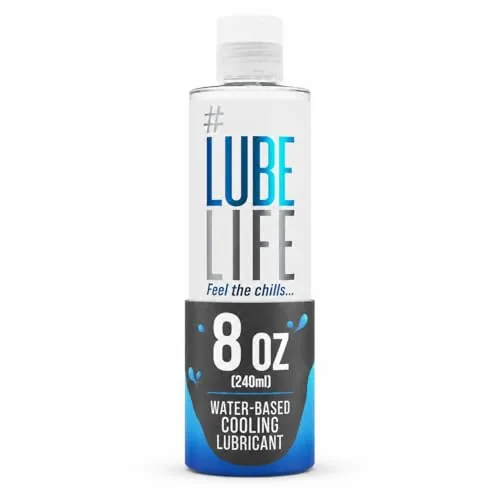
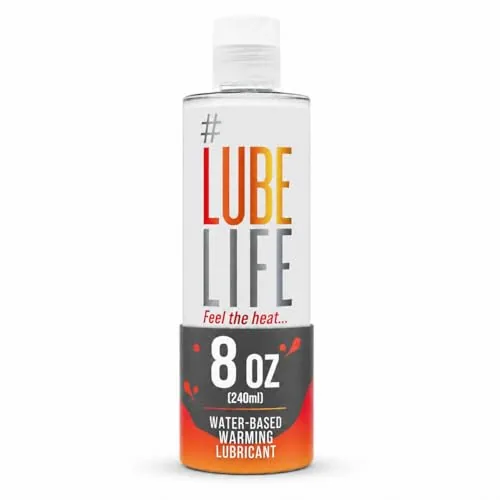
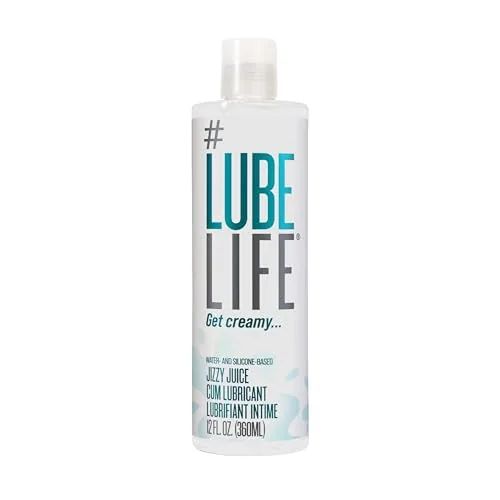
Many water-based formulas state that they are safe with toys and body-safe materials, and brands like Lube Life and Hello Cake sell toy-specific lubes. If you are not sure, spot test a small hidden area of the toy with a drop of lube for a few minutes.
Our silicone toy guide covers the rules in more depth, and the water-based category lists more options.
| Toy material | Water-based | Silicone | Oil-based |
|---|---|---|---|
| Silicone | ✓ Yes | ✗ No | ✓ Usually |
| Glass, metal, hard plastic | ✓ Yes | ✓ Yes | ✓ Yes |
| Jelly, rubber, TPE | ✓ Yes | ~ Check | ~ Can degrade |
| Porous materials | ✓ Yes | ~ Check | ✗ Avoid |
Source: General guidance; follow your toy maker's instructions
It is best to avoid it. Silicone lube can degrade the surface of silicone toys.
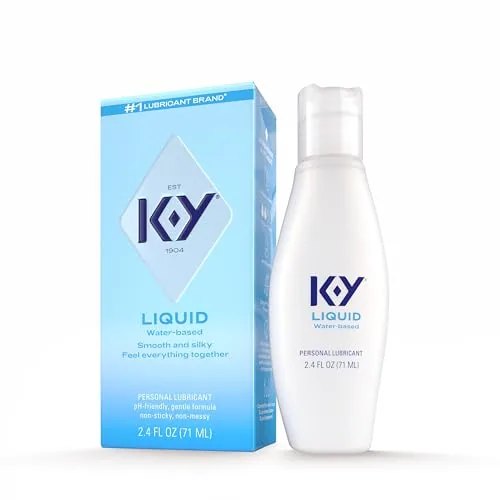
It is the safest default for most materials. Check the bottle for a toy-safe statement.
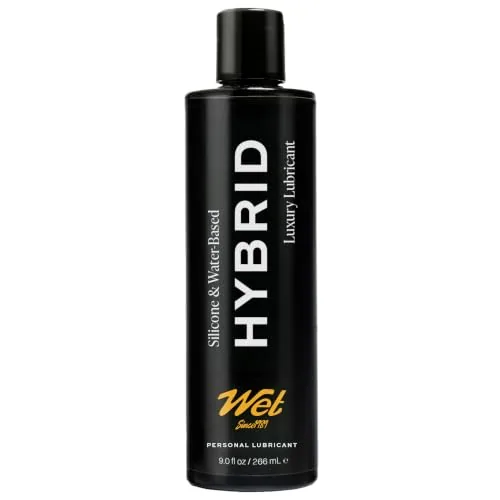
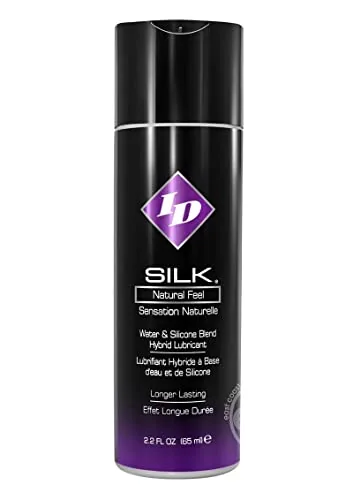
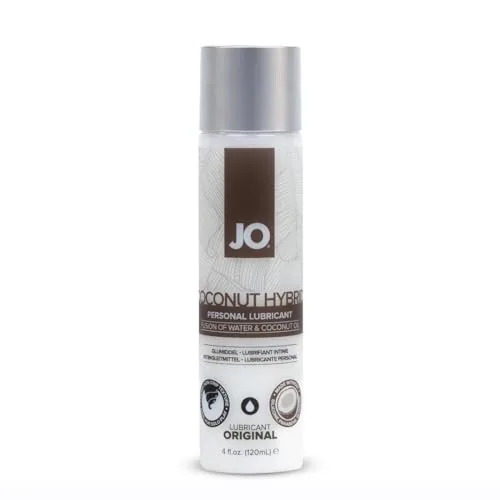
Hybrids contain silicone, so use them with caution on silicone toys and follow the label.
Put a drop on a hidden area and wait a few minutes. If the surface turns tacky or rough, do not use that combination.
Toy-safe lube is a lubricant the maker says will not damage toy materials. For silicone toys that usually means a water-based formula, and a spot test on a hidden area is a good extra check.