
- Oil-based lubes feel rich and double as massage oil, but oils weaken latex and polyisoprene condoms.
- In a classic lab test, 60 seconds of mineral oil cut latex condom strength by about 90%. The WHO also lists coconut, palm and cooking oil as unsuitable with latex.
- Water-based works with condoms and every toy material and rinses off easily, but it needs reapplying.
- Oils can be a lovely choice for massage and for couples who do not use latex condoms.
Oil-based vs water-based lube mostly comes down to condoms. Coconut oil is in most kitchens, and plenty of people wonder if it works as lubricant. It does feel smooth. Either way, it depends mostly on one question: are you using latex or polyisoprene condoms?
This comparison covers feel, condoms, toys, clean-up and comfort. We also look at what the research says about oils and vaginal health, and suggest products if you want something natural. Browse oil & butter and water-based lubricants for the full range.
Oil-based vs water-based lube at a glance
| Feature | Oil & butter | Water-based |
|---|---|---|
| Latex condoms | ✗ Weakens latex | ✓ Yes |
| Polyisoprene condoms | ✗ As sensitive to oil as latex | ✓ Yes |
| Polyurethane condoms | ~ Almost any safe lube works | ✓ Yes |
| Silicone toys | ~ Check the label | ✓ Yes |
| Staying power | ✓ Long, does not dry out | ~ Needs a top-up |
| Massage use | ✓ Excellent | ~ Some gels double as massage gel |
| Clean-up | ✗ Can stain and linger | ✓ Rinses with water |
| Everyday suitability | ~ Best for specific uses | ✓ Easy default |
These are patterns, not promises. A product that is labelled condom-safe is the only reliable guide, and an oil formula that says otherwise should be believed.
Oils and condoms
This is the single biggest point. In the Voeller study from 1989, mineral oil cut the strength of latex condoms (burst volume) by about 90% after only 60 seconds. Baby oil and a petroleum-based lotion also damaged condoms in the same paper. Glycerol for five minutes had no significant effect.
The WHO advisory note is just as clear. It tells people not to use baby oil, coconut or palm oil, cooking oil, mineral oil, petroleum jelly or hand lotions with latex, and says polyisoprene is as sensitive to oil as latex. Polyurethane condoms are more forgiving.
Latex condom strength after 60 seconds of mineral oil
Burst volume as a share of the untreated control, approximate
Feel, massage and clean-up
Oil formulas glide for a long time and do not dry out, which many couples love. They also work as massage oil, which is why products like the Coconu organic coconut oil are sold for both. The same Coconu massage oil is described as unscented, fragrance-free and glycerin-free.
The downsides are practical. Oils soak into fabric and can leave stains. They are also harder to wash away from skin, and they are not designed to be rinsed off with water alone. Water-based formulas reverse every one of those points. They wash out of sheets, but they need reapplying as the water absorbs.
Health and sensitive bodies
The research on oils and vaginal health is limited and mostly observational. In a small Los Angeles cohort of 141 women, oil use was linked with Candida colonisation (44.4% vs 5%) and petroleum jelly users had 2.2 times the risk of bacterial vaginosis. The study was small and cannot prove cause, but it is one reason many clinicians suggest water-based products for people who get recurring infections.
What women with intravaginal practices inserted
Share of 141 women who reported each product type
On the other side, a large cohort of 6,467 women trying to conceive found no link between lubricant type and reduced fertility, with oil-based users at a fecundability ratio of 1.23 (confidence interval crossing 1). That means oil was not shown to be harmful for conception, but it also was not shown to help. For dryness, an unscented water-based gel or a moisturizer is the more common recommendation. See dryness & menopause.
Natural options that skip oil
If you want a short ingredient list without oil, look at coconut-water or aloe formulas. Coconu sells a water-based coconut-water formula that its maker describes as pH balanced, glycerin-free, fragrance-free, and latex- and toy-safe. Sliquid H2O is glycerin-free, made with plant cellulose, and listed as compatible with toys and condoms. More in aloe & natural and our natural lubricant guide.
Picks from both sides
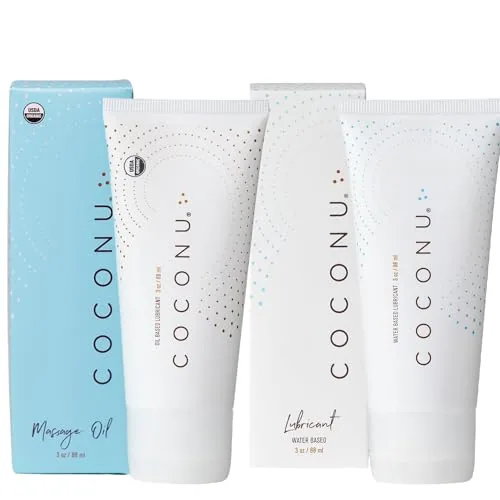
Coconu Organic Oil & Water Lube Combo
- Oil and water-based pair
- USDA organic oil
- Massage-friendly
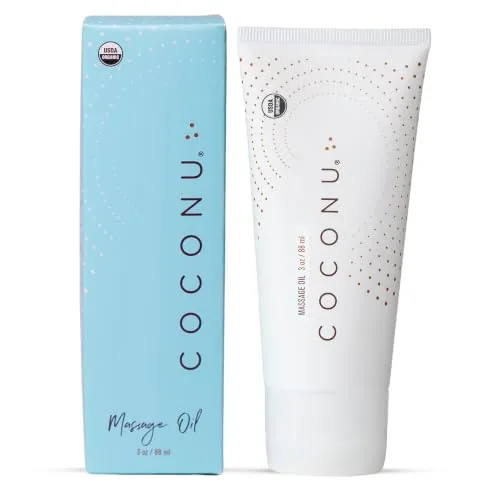
Coconu Organic Coconut Massage Oil, 3 oz
- USDA certified organic
- Unscented
- Gentle on sensitive skin
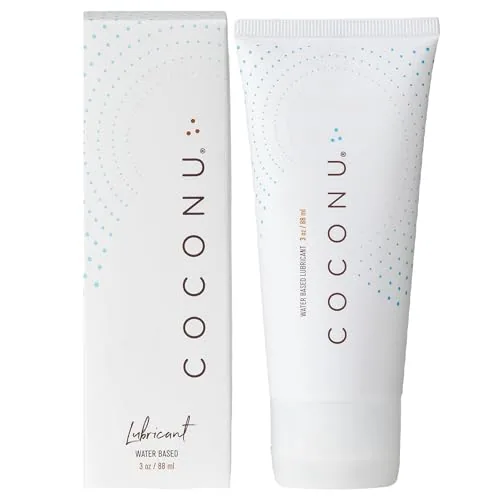
Coconu Organic Water Based Lubricant, 3 oz
- Organic coconut water
- Glycerin and paraben free
- pH balanced
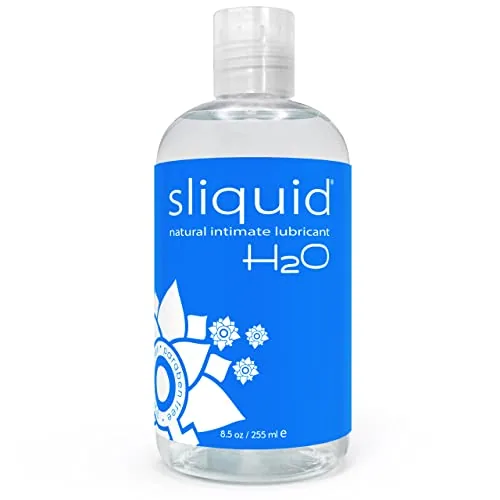
Sliquid H2O Water-Based Lube, 8.5 oz
- Glycerin & paraben free
- Fragrance free & vegan
- Toy & condom compatible
| Product | Base | Latex condoms | Toy-safe | Glycerin-free | Best for |
|---|---|---|---|---|---|
| Coconu oil and water combo | Oil + water | ~ Water part only | ✓ Water part (label) | Not stated | Couples who want both |
| Coconu coconut massage oil | Oil | ✗ Oil weakens latex | Not stated | ✓ Yes | Massage |
| Coconu water-based | Water | ✓ Yes | ✓ Yes | ✓ Yes | Natural everyday use |
| Sliquid H2O | Water | ✓ Yes | ✓ Yes | ✓ Yes | Sensitive skin |
Source: Maker listings
Questions
Can I use coconut oil as lube with condoms?
No, not with latex or polyisoprene. The WHO advisory note lists coconut oil among household oils that weaken latex condoms.
Is oil-based lube bad for vaginal health?
The evidence is limited. A small observational study linked oil use with yeast colonisation, so people prone to infections often choose water-based. Speak with a clinician if infections recur.
Do oil-based lubes work with silicone toys?
Often yes, but some oils and butters can affect toy surfaces. Follow the toy maker's guidance.
Is oil-based lube fertility-friendly?
A large cohort study found no reduced fecundability with oil use, but products labelled fertility-friendly are tested for sperm compatibility. See our fertility guide.
How do I clean oil off sheets?
Pre-treat with dish soap or a stain remover, then wash warm. Water-based lube rinses out much more easily.
Oil-based vs water-based lube: which is better?
Water-based is the safer all-rounder because it works with latex condoms and every toy material. Oil suits massage and couples who do not rely on latex or polyisoprene condoms.