
- Natural has no legal definition for lubricants; check the ingredient list, not the front of the pack.
- Organic claims such as NSF or USDA certification are more specific than natural.
- Aloe-based lubricants are water-based, so they work with latex condoms and most toys when the label says so.
- Natural does not always mean gentle: plant extracts can irritate, and oils weaken latex.
- Osmolality and pH still matter whatever the label says.
Shopping for natural lube? The words natural, organic, clean and plant-based sell a lot of products. They can describe a very simple formula, or just a marketing mood. If you want a plant-forward lubricant, the trick is knowing which claims are meaningful, which are decoration and what clean ingredients really look like on a label.
This guide explains the main labels, what aloe does in a lubricant, how to read an ingredient list and which popular products describe themselves in these terms.
What natural lube labels really mean
Lubricants in the US are regulated as medical devices, not cosmetics. The FDA's product code for personal lubricants is NUC, a Class II device cleared through the 510(k) process, which is about safety and equivalence, not about being natural. That means there is no official FDA definition of natural for a lubricant.
| Label | Regulated meaning? | What to check |
|---|---|---|
| Natural | ✗ No legal definition | ~ Read the full ingredient list |
| Organic (certified) | ✓ If certified, e.g. NSF or USDA | ~ Which ingredients are certified |
| Vegan | ~ Brand claim | ✓ No animal-derived ingredients |
| Paraben-free / glycerin-free | ~ Brand claim | ✓ Check list for other preservatives |
| pH-balanced | ~ Brand claim | ~ Ask for the actual pH |
| Hypoallergenic | ✗ Not a guarantee | ~ Patch test |
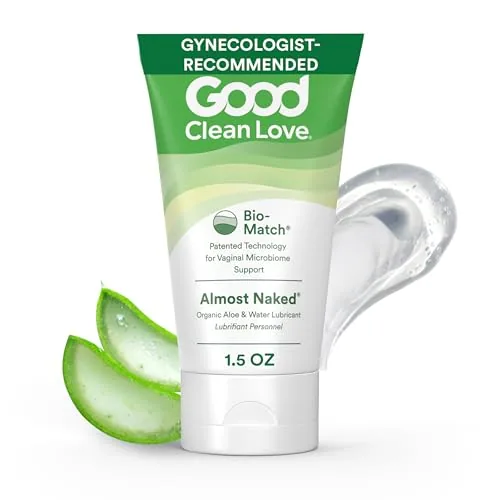
Certified organic claims are more informative. Aloe Cadabra, for example, describes its formula as made with NSF-certified organic ingredients, and Good Clean Love describes Almost Naked as 95% certified organic. Coconu states USDA certified organic on its listing for the oil-and-water combo.
What does aloe actually do?
Aloe vera is a popular water-based lubricant ingredient because it feels light and soothing. In a lubricant, aloe is usually part of a water-based formula, which means it behaves like other water-based products: it works with latex and polyisoprene condoms and with silicone toys, and it washes off easily. It may need a top-up on longer sessions.
Not everyone tolerates aloe. Good Clean Love notes that BioNude was created for people sensitive to aloe vera, and if you react to aloe, plant-based is not automatically gentle. Our aloe and natural category lists options and our Aloe Cadabra vs Coconu comparison looks at two well-known brands.
How to read an ingredient list
Ingredients are listed from most to least. A plant-based lubricant should show water or aloe near the top, a thickener such as hydroxyethylcellulose or plant cellulose and a short preservative system. Things to look for:
- Thickener: cellulose-based gels, such as in Sliquid and BioNude, avoid glycerin.
- Humectant: glycerin is a plant-derived option that raises osmolality; glycerin-free formulas exist.
- Preservatives: all water-based products need one. Aloe Cadabra says its formula is free of parabens, glycerin, propylene glycol and chlorhexidine.
- Added botanicals: adaptogens, essential oils and scents can irritate. Playground After Hours includes ashwagandha, black cohosh and horny goat weed alongside hyaluronic acid.
Products that describe themselves as natural or organic
- Aloe Cadabra organic water-based lube, described as pH-balanced, vegan and compatible with toys, latex and polyisoprene condoms (not polyurethane).
- Good Clean Love Almost Naked, a certified organic aloe vera lube described as safe for toys and condoms.
- Coconu organic water-based lubricant, with coconut water, described as glycerin-free, fragrance-free and toy and latex safe.
- Playground After Hours, a natural water-based lube with hyaluronic acid and vitamin E, described as safe with latex condoms.
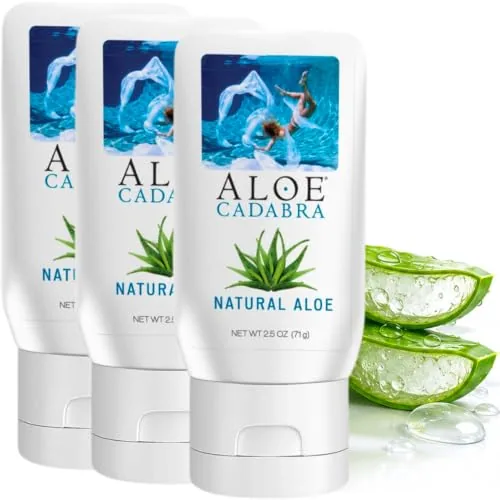
Aloe Cadabra Unscented Aloe Lube, 2.5 oz (3-pack)
- Unscented aloe base
- pH balanced & vegan
- Free of parabens & glycerin
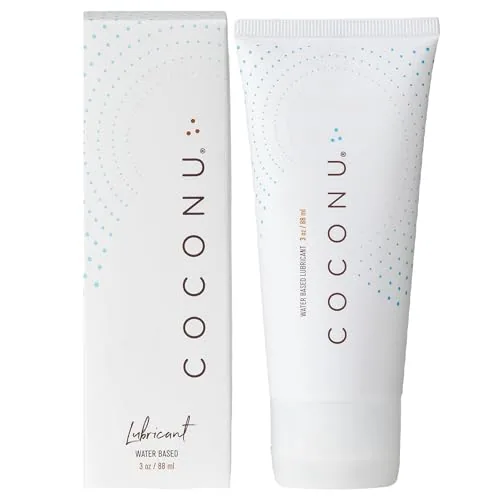
Coconu Organic Water Based Lubricant, 3 oz
- Organic coconut water
- Glycerin and paraben free
- pH balanced
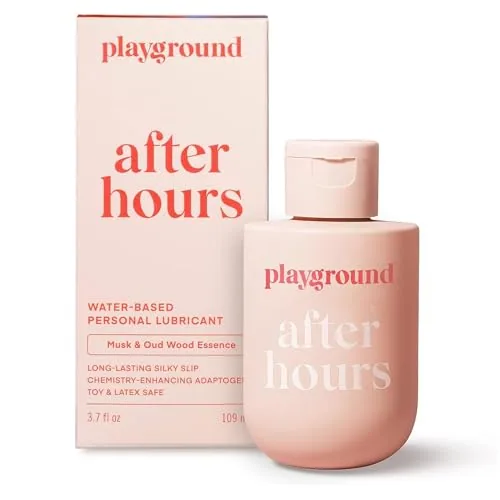
Playground After Hours Natural Water-Based Lube
- Vegan formula
- Hyaluronic acid + vitamin E
- Condom and toy safe
Browse more in the aloe category, the Aloe Cadabra and Coconu pages and our ingredients guide.
Sustainability and packaging claims
Natural brands often talk about packaging as well as ingredients. Good Clean Love, for example, describes using recyclable packaging for Almost Naked. That is a separate promise from the formula inside: a greener bottle does not change osmolality, pH or irritation potential.
If sustainability matters to you, consider choosing larger bottles to reduce waste, but only if you will use them before the product expires. Travel sizes are handy but add more packaging per ounce. Our shelf life and storage guide covers how long a bottle stays good.
Finally, check whether a company explains its testing. Reputable brands tend to state compatibility with condoms and toys clearly, publish ingredients in full and tell you who to contact with questions. That transparency tells you more than a leaf icon on the pack.
Does natural mean safer?
Not automatically. WHO's osmolality and pH guidance applies to all lubricants: the ideal is 380 mOsm/kg or less and pH around 4.5 for vaginal use. Some of the lowest osmolality products in published tests were simple water-based formulas (Sliquid Organic measured 106 in a 2012 study and Good Clean Love 269), so a short formula can help, but a plant claim alone does not tell you the number. See our osmolality guide.
The best approach: choose a short, clear ingredient list, patch test and ignore any claims you cannot verify. A label that says edible tells you about taste, not about osmolality or irritation potential.
Questions
Is organic lube better?
Certified organic means certain ingredients were grown to a standard, but it does not guarantee low osmolality or a lack of irritation. Check the whole formula.
Is aloe lube condom-safe?
Aloe lubricants are water-based, and many makers state compatibility with latex condoms. Confirm on the label.
Is coconut oil a good natural lube?
It feels smooth, but oil can weaken latex condoms and may not suit people prone to thrush.
Can I be allergic to aloe?
Yes. If you react to aloe, choose an aloe-free formula such as a cellulose-based gel.
What is the best natural lube?
There is no single best one. Look for a short, clear ingredient list, a water-based formula if you use condoms, and certification if organic matters to you.