
- Check the expiry or best-before date printed on the pack; unopened and opened life can differ.
- Store in a cool, dry place away from heat and sunlight.
- For carry-on bags, the US 3-1-1 rule limits liquids to 3.4 oz (100 ml) containers.
- Travel-size pumps and pre-filled applicators are convenient for trips.
- If it smells, separates or changes color, replace it.
A half-used bottle in the bathroom cabinet is a familiar sight. Does lube expire, and what is the best way to keep it? This guide covers lube shelf life, storage, signs that a product should be thrown away and how to pack for travel.
We do not have a single shelf-life figure for every product, because it depends on the formula, packaging and storage. Always follow the date and instructions on your pack.
Does lube expire? How long it lasts
Lubricants, like other personal care products, are labelled with an expiry or best-before date, or a period-after-opening symbol. As a rule of thumb, silicone products contain no water and tend to be very stable, while water-based products contain a preservative system and may degrade faster once opened. Oil-based products can go rancid over time.
| Base | Stability | Main concern |
|---|---|---|
| Water-based | ~ Good with preservatives | Contamination, drying out |
| Silicone | ✓ Very stable | Little, apart from heat |
| Hybrid | ✓ Stable | Separation if overheated |
| Oil / butter | ~ Varies | Rancid smell, melting |
Pre-filled applicators and single-use sachets avoid repeated exposure to air and fingers, which is useful for fertility products such as the Pre-Seed applicators.
Signs lube has gone bad
- An off or sour smell, or a rancid oil smell
- Changes in color or a separated, lumpy or watery texture
- A sticky, gritty or stringy feel that was not there before
- Mould or particles in the bottle
- Passing the printed expiration date, especially for opened water-based gels
If you have sensitive skin or are using lubricant for dryness, do not stretch the limits. See our sensitive skin guide for ingredient tips.
How to store lube well
- Keep the cap closed and wipe the nozzle after use.
- Store at room temperature, away from radiators, cars and direct sun.
- Avoid steamy bathrooms for long-term storage; a bedside drawer is fine.
- Do not dip fingers into jars; use a clean spoon or pump if you can.
- Keep different bases apart from toys. Silicone lubricant can stain or mark some materials.
Pumps are hygienic and discreet; the Uberlube travel kit and Astroglide Silicone are described as travel-friendly or travel size. Our silicone category lists compact options and our travel-size picks narrow it down.
Flying with lubricant
In the US, the TSA's 3-1-1 liquids rule applies to gels, creams and pastes: containers in carry-on bags must be 3.4 ounces (100 ml) or smaller and fit together in one quart-size clear bag. Larger bottles can go in checked luggage. Rules vary by country, so check the airline and airport before you go.
Container size vs the carry-on limit
Fluid ounces; limit is 3.4 oz (100 ml)
Travel-size lube options include the Uberlube 15 ml travel kit, Astroglide Silicone in 2.5 fl oz and Pre-Seed pre-filled applicators. The 9 oz Wet Platinum is a good one for checked bags or home.
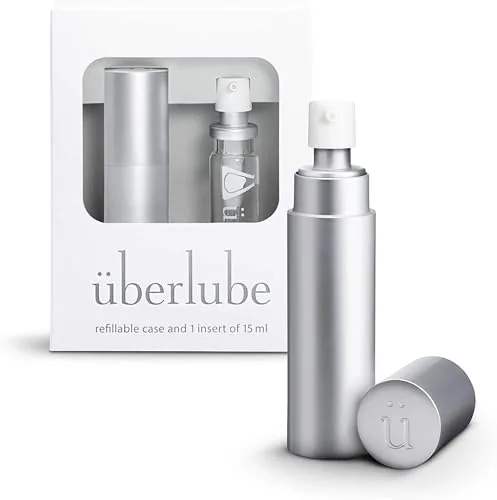
Uberlube Silicone Lube Travel Kit, Silver, 15 ml
- Discreet travel case
- Unscented silicone
- Latex safe
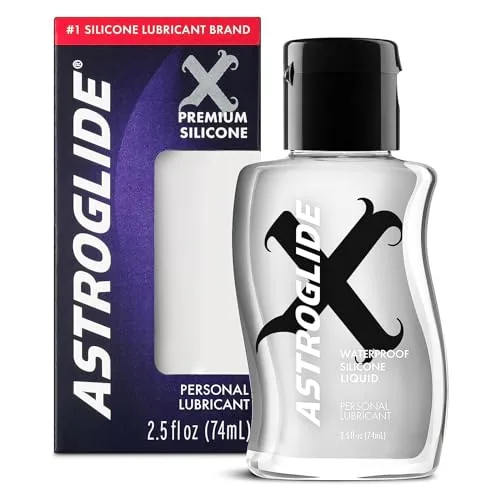
Astroglide X Silicone Lube, 2.5 oz Travel
- Waterproof & long-lasting
- Paraben & glycerin free
- Hypoallergenic
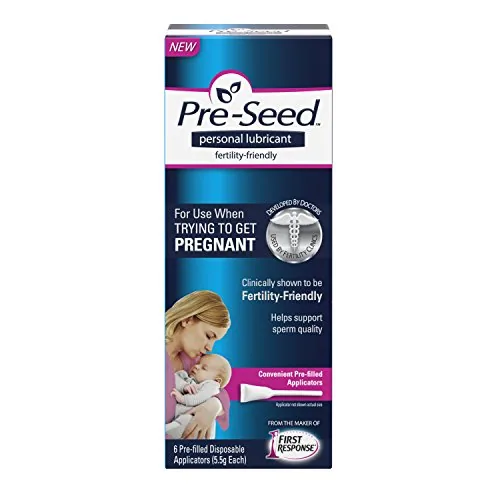
Pre-Seed Fertility-Friendly Lube Applicators
- Fertility-friendly
- Isotonic, pH balanced
- Prefilled applicators
Buying sizes that suit how you use it
A big bottle is cheaper per ounce but only makes sense if you will finish it before it passes its date. If you use lubricant occasionally, a smaller pump or tube avoids waste. If you are trying a new formula, start with a travel or sample size, so you are not left with a large bottle that does not suit you.
Silicone formulas go a long way, so even a small bottle can last months. Water-based gels are used up faster. Pre-filled applicators suit fertility use because each one is a fresh dose.
Since most adults use lubricant at some point, it makes sense to have a small stash that you replace regularly rather than a single bottle that lingers for years. When you restock, check our water-based and silicone collections, or the cleaners and travel range for wipes and spray cleaners.
Packing and trip tips
- Decant into a small leak-proof bottle if you use a favorite big bottle.
- Pack in a zip-top bag in case of pressure changes.
- Take enough for the trip so you do not have to switch to an unfamiliar product.
- Bring any condoms and toys that are compatible with your lube.
- In hot climates, avoid leaving lube in a parked car.
For quick compatibility questions, see lube and condoms and how to choose a lubricant.
Questions
Does lube expire?
Yes. Check the expiry or period-after-opening date on the pack. Water-based and oil-based products usually degrade before silicone.
Can I take lube in hand luggage?
In the US, yes if each container is 3.4 oz (100 ml) or smaller and fits in a quart-size bag. Larger bottles should go in checked bags.
Is it safe to store lube in the fridge?
It is usually unnecessary. Room temperature in a cool dry place is fine unless the label says otherwise.
Can heat damage lubricant?
Yes. Heat can separate or degrade formulas, so avoid cars, radiators and sunny windows.
Is it safe to use old lube?
If it is past its date or smells, looks or feels different, replace it, particularly if you have sensitive skin.
How long does lube last once opened?
It depends on the formula and the pack. Check the period-after-opening symbol or best-before date, and replace it if the smell, color or texture changes.